
Photography turned 200 this year. Two centuries since Nicephore Niepce exposed an asphalt-coated tin plate for eight hours and captured the view from his window in Burgundy.
You’d think by now we’d have figured it all out. The title “Some Secrets of Photography” sounds like a promise: fun facts, hidden camera tricks, maybe some juicy historical gossip - clickbaity.
The Francisco Carolinum in Linz has assembled six artists to prove that expectation and reality can diverge in rewarding ways. Because curator Ruth Horak (who has spent 30 years investigating conceptual approaches to photography) isn’t offering secrets. She’s offering something harder: a complete rethinking of what the medium even is.
Pro Tip
Be sure to check out the excellent exhibition handout and learn more about the art and featured artists!
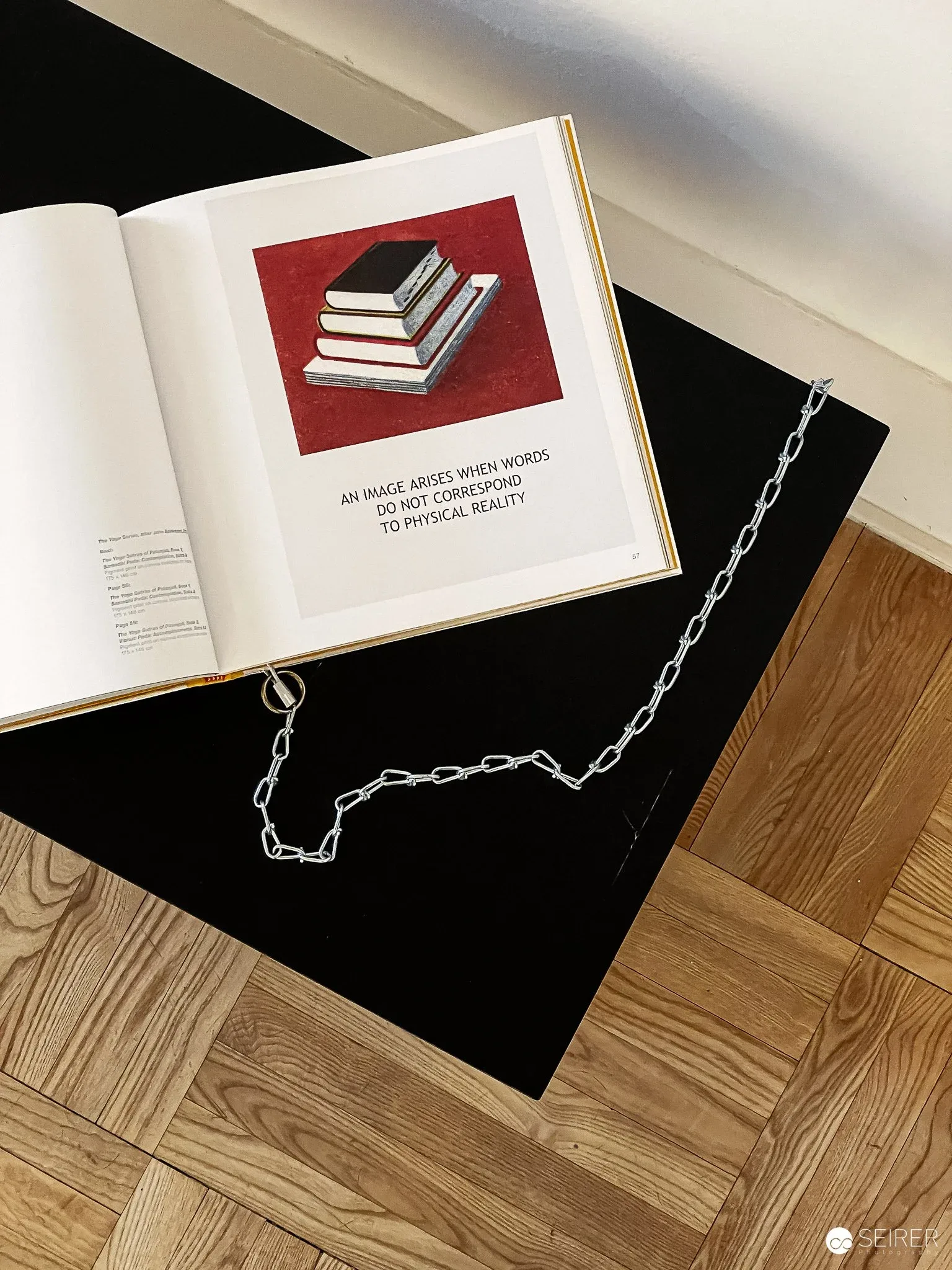
Exhibition publication for Some Secrets on Photography
What This Exhibition Is (and Isn’t)
Let me be upfront: the title promises “secrets,” and your brain might expect a fun listicle-style show - “oh, and did you know the first camera weighed 50 kilos?” kind of facts, bite-sized and Instagrammable. That’s not what this is. Not even close.
Instead, “Some Secrets on Photography” is an exhibition about photography - about its chemistry, its history, its physical traces, its forgotten margins. Several of the works aren’t even photographs in any traditional sense. They are sculptures, installations, found objects, and forensic investigations that use the medium as their subject rather than their tool.
This makes the show harder to digest than your average photo exhibition. You can’t just stroll through, nod approvingly at pretty pictures, and leave. The work demands that you stop, read the wall texts, think, and occasionally tilt your head. For some visitors, that might be a dealbreaker. For others - and I’d argue this is the more rewarding camp - it’s exactly why the show is worth your time.
The Highlights
Pascal Petignat and Martin Scholz did something genuinely interesting. They traveled to the actual house of Nicephore Niepce - the building where photography was literally born - and searched its walls and surfaces for chemical residues from 200-year-old experiments. They’re looking for stains. Physical, molecular traces of the moment someone first figured out how to freeze light onto a surface. It’s part forensic science, part art pilgrimage, and it hits harder than you’d expect. You’re looking at the DNA of our medium.
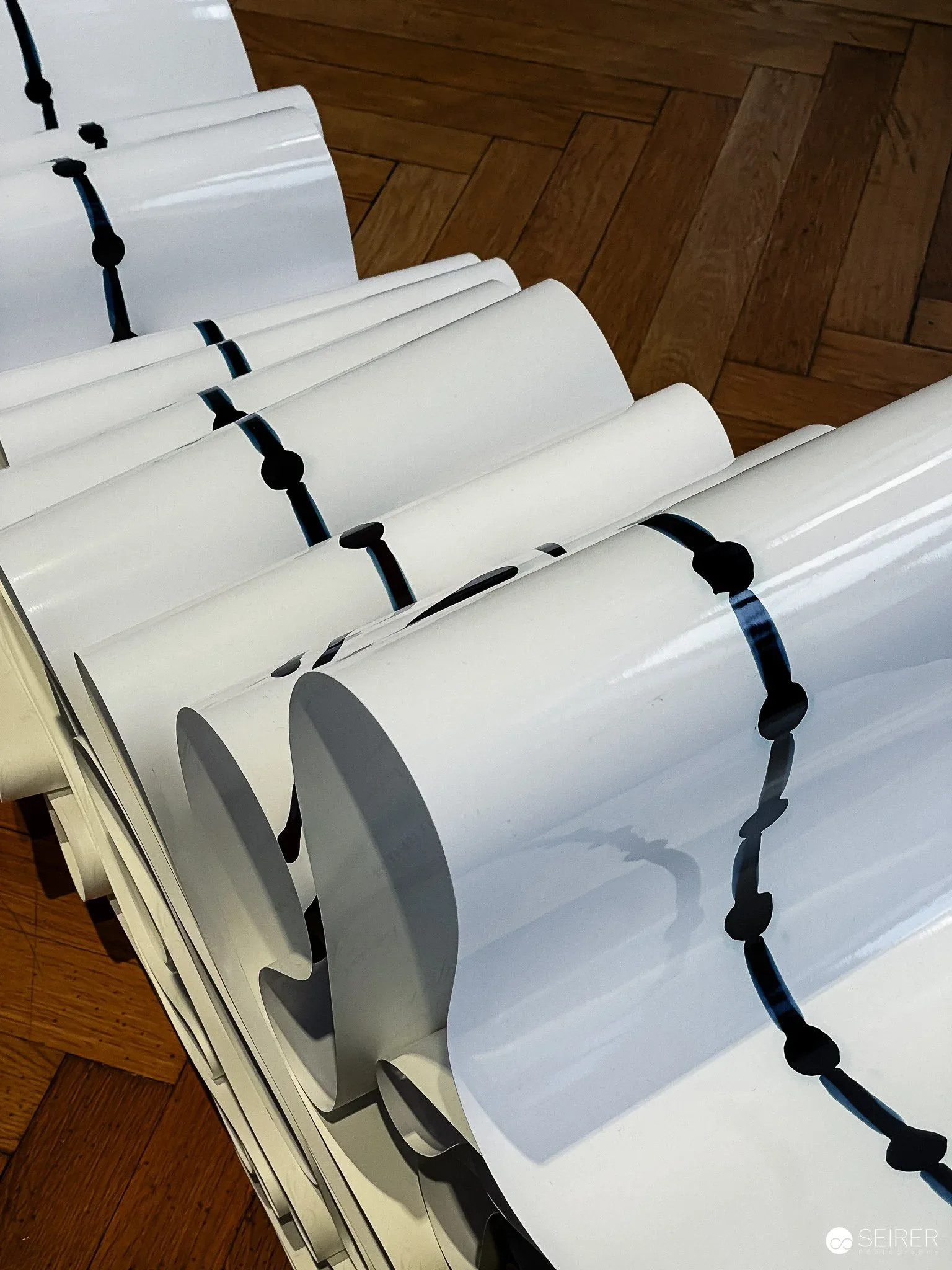
Exhibition view Pascal Petignat and Martin Scholz at Francisco Carolinum: some Secrets on Photography
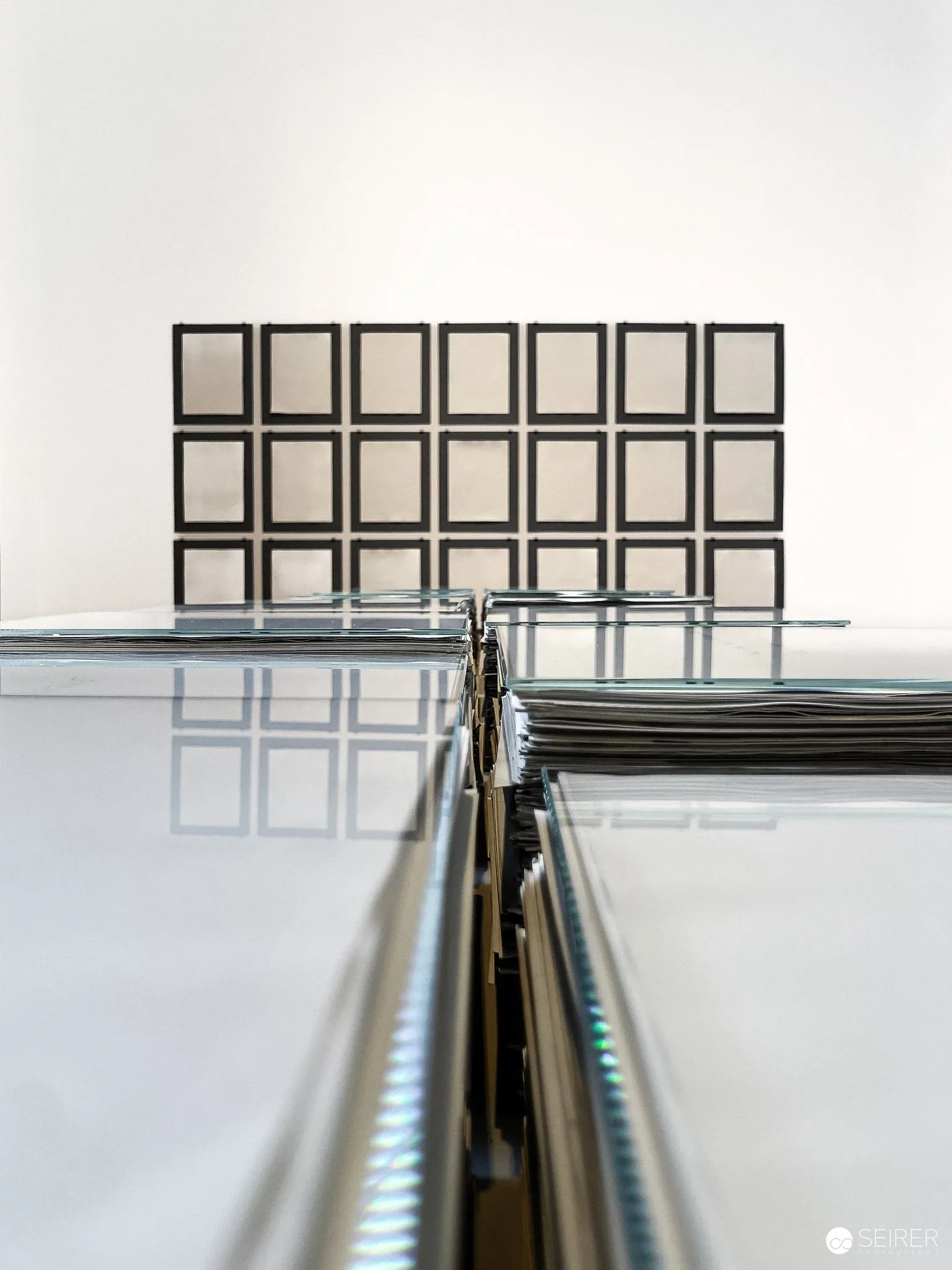
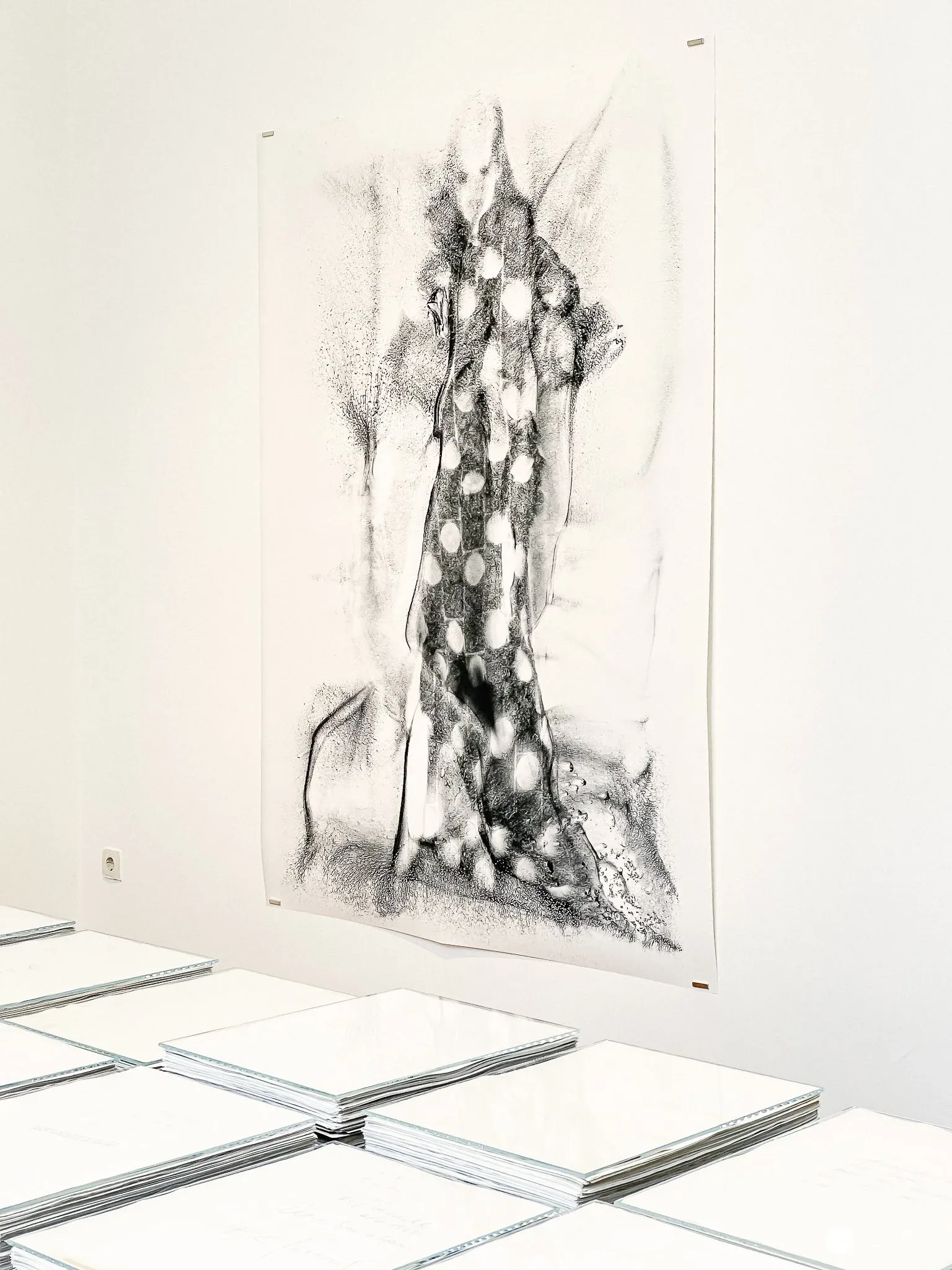
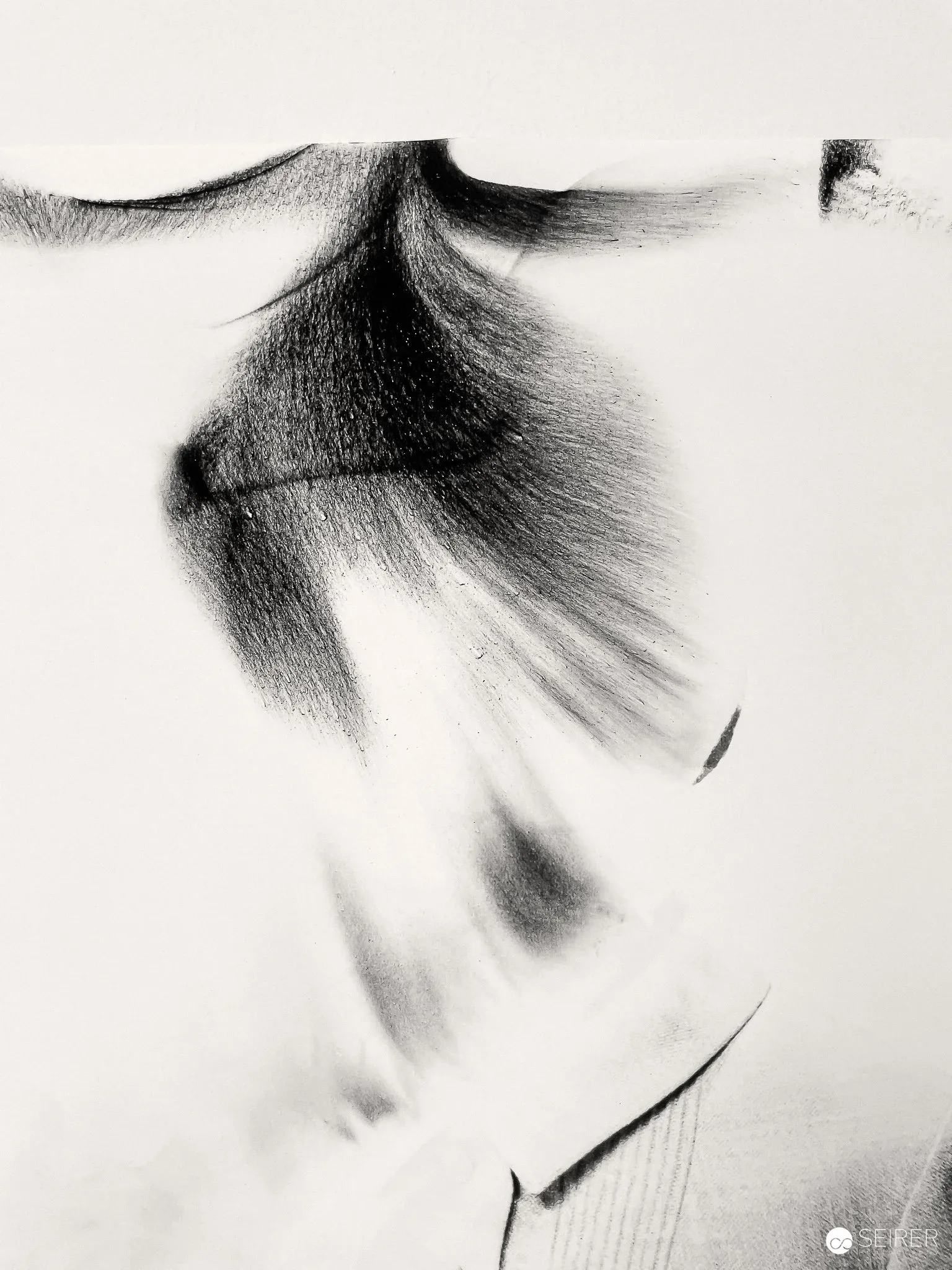
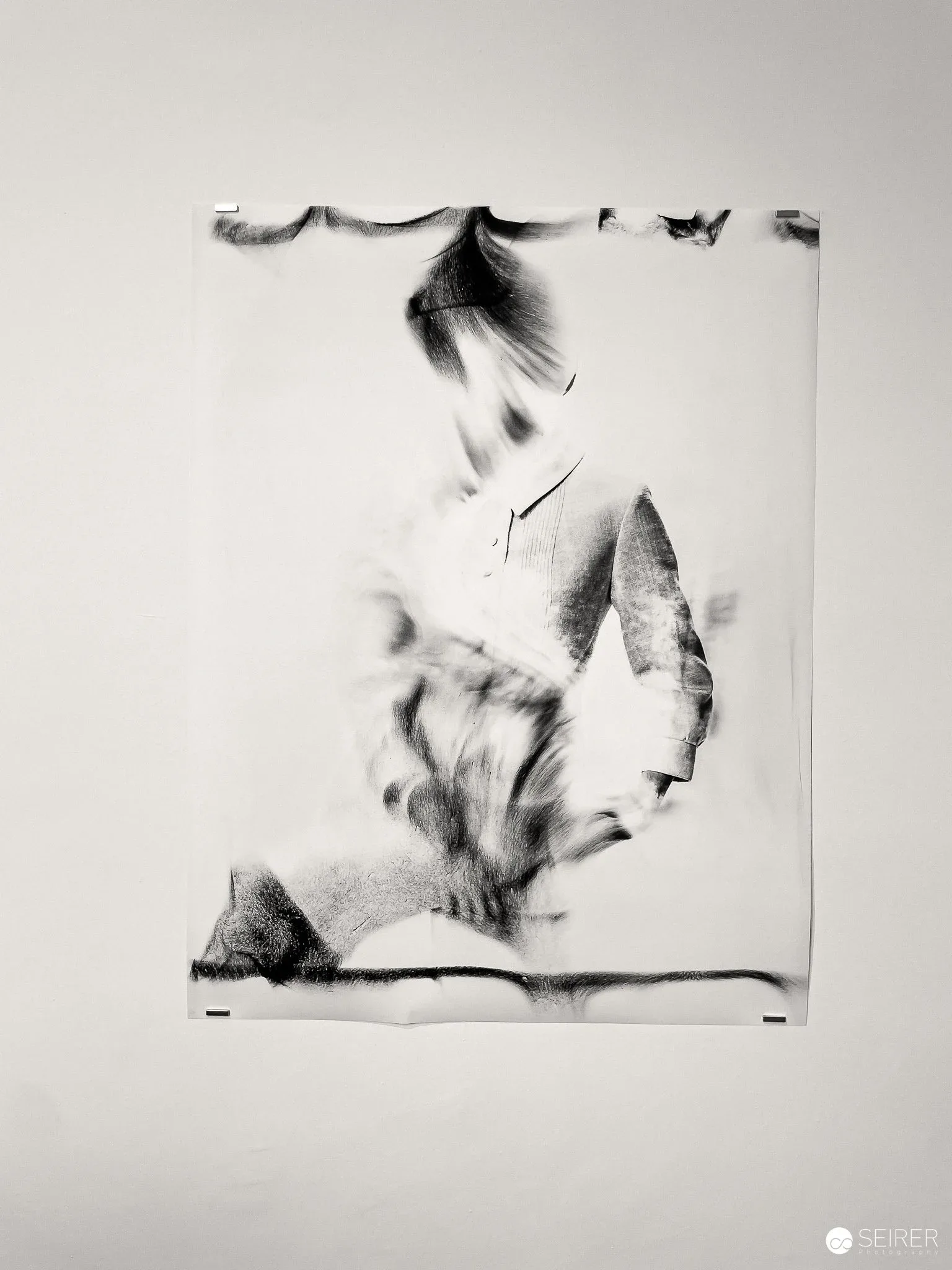
Sebastian Riemer comes at it from the other end of the timeline. He collects what he calls “photographic ruins” - discarded prints from the 20th-century press photo industry, complete with the crop marks, retouching scribbles, and editorial annotations that editors drew directly onto photographs before sending them to print. What was once a purely functional workflow now reads like abstract painting. It’s a reminder that photographs were never just images - they were objects that got handled, marked up, cut apart, and thrown away. Riemer found a pivotal 1920s press photograph at a Paris flea market in 2013, and it sent him down a media-archaeological rabbit hole he hasn’t come back from.
Gregor Schmoll - sometimes called the “Monsieur Surrealist” of Austrian contemporary art - recreated Marcel Duchamp’s New York studio based on Percy Rainford’s 1945 photographs of the space. The studio becomes an empty vessel that photography once documented but can never fully contain. It blurs the line between what was real and what the camera chose to show us, which is the oldest secret of photography and still the most uncomfortable one.
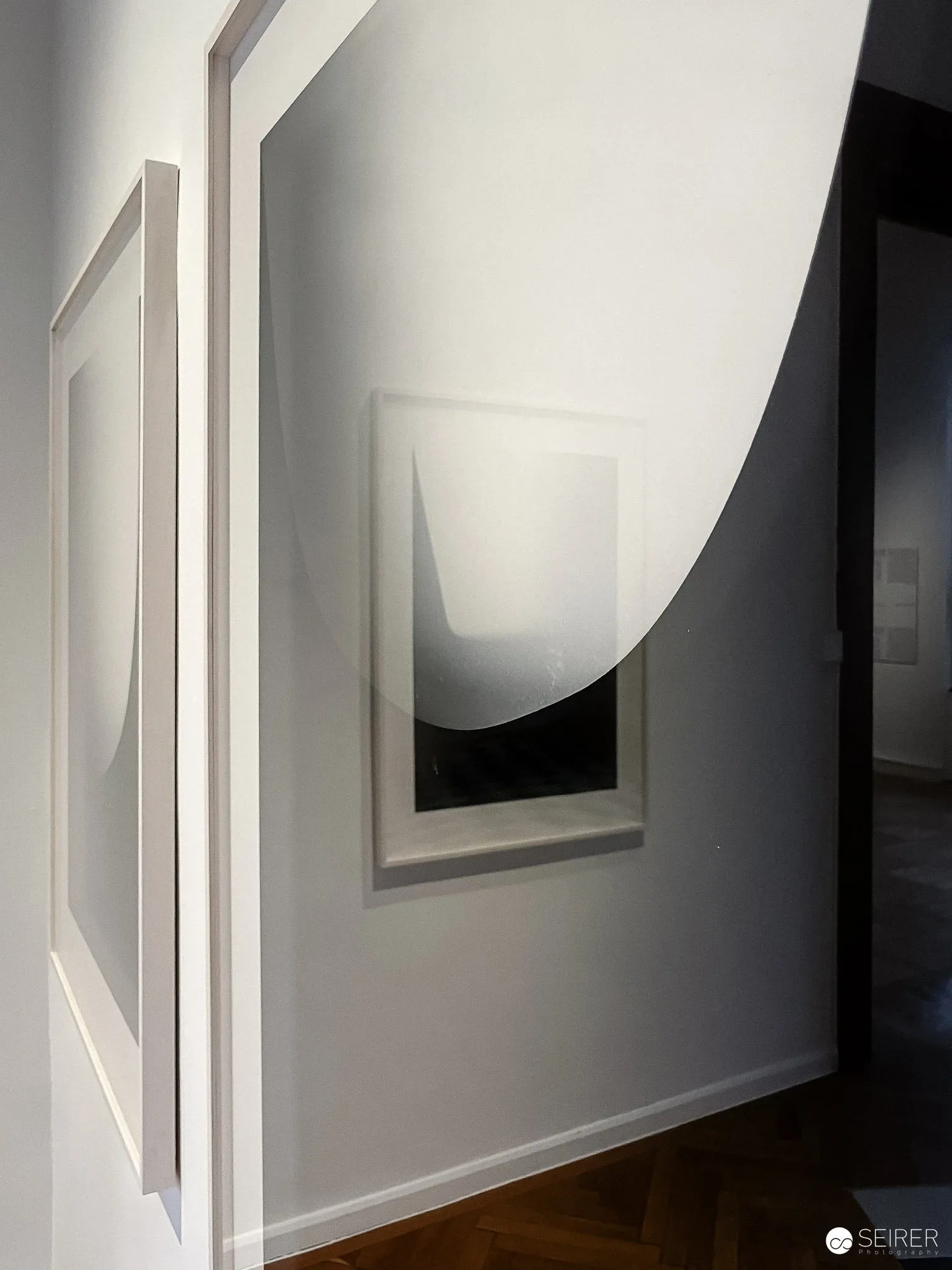
Exhibition view Gregor Schmoll at Francisco Carolinum: some Secrets on Photography
Isabelle le Minh, a former patent engineer turned artist (a career change I respect enormously), stages overlooked details from the history of photographic apparatus - the machines, the mechanisms, the engineering that we never think about when we look at a finished image. Her piece “Apparatus#1” is a beautiful entry point into the show’s central question: what do we overlook when we only look at the picture?
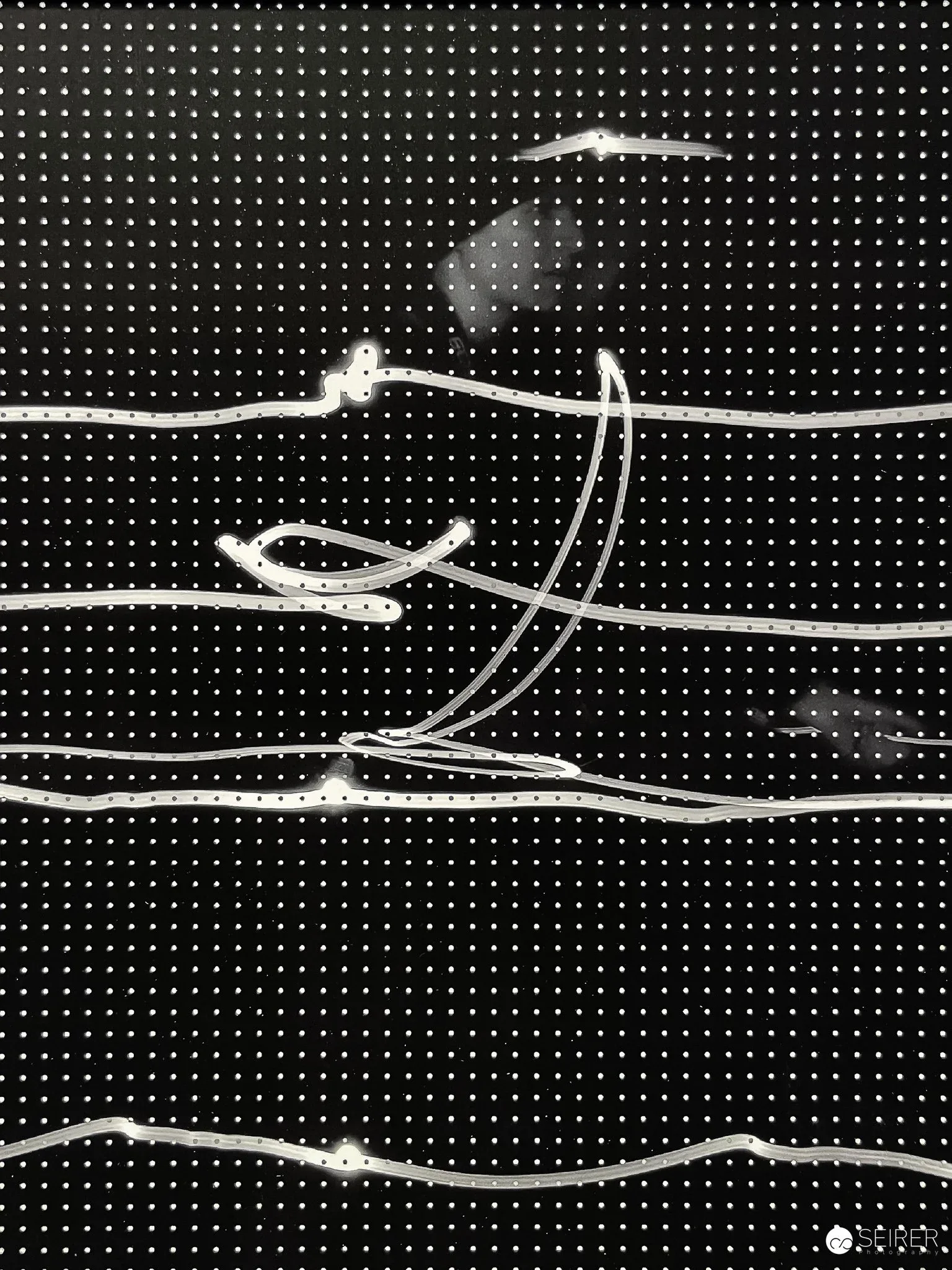
Exhibition view Isabelle Le Minh at Francisco Carolinum: some Secrets on Photography
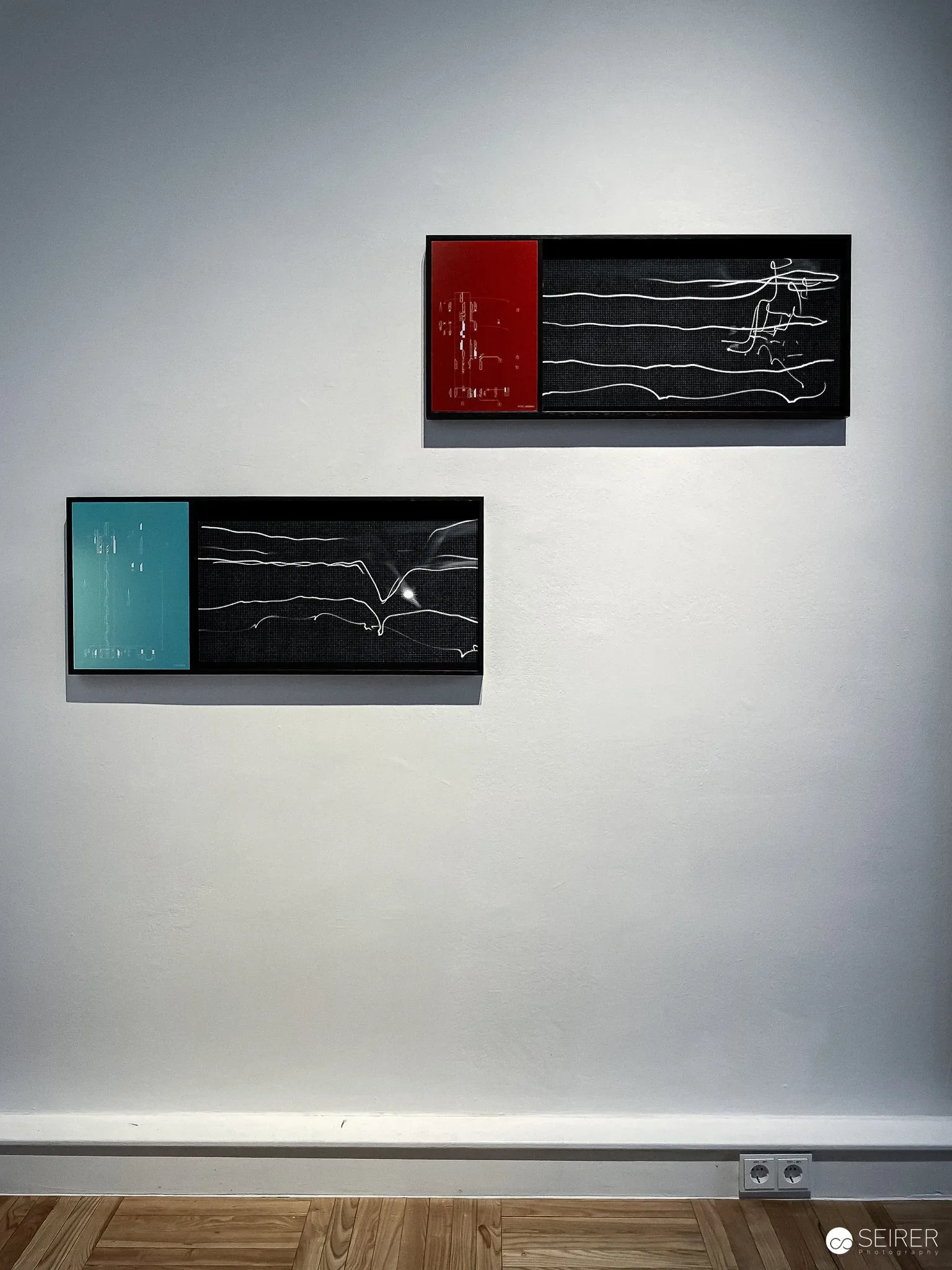
at Francisco Carolinum: some Secrets on Photography
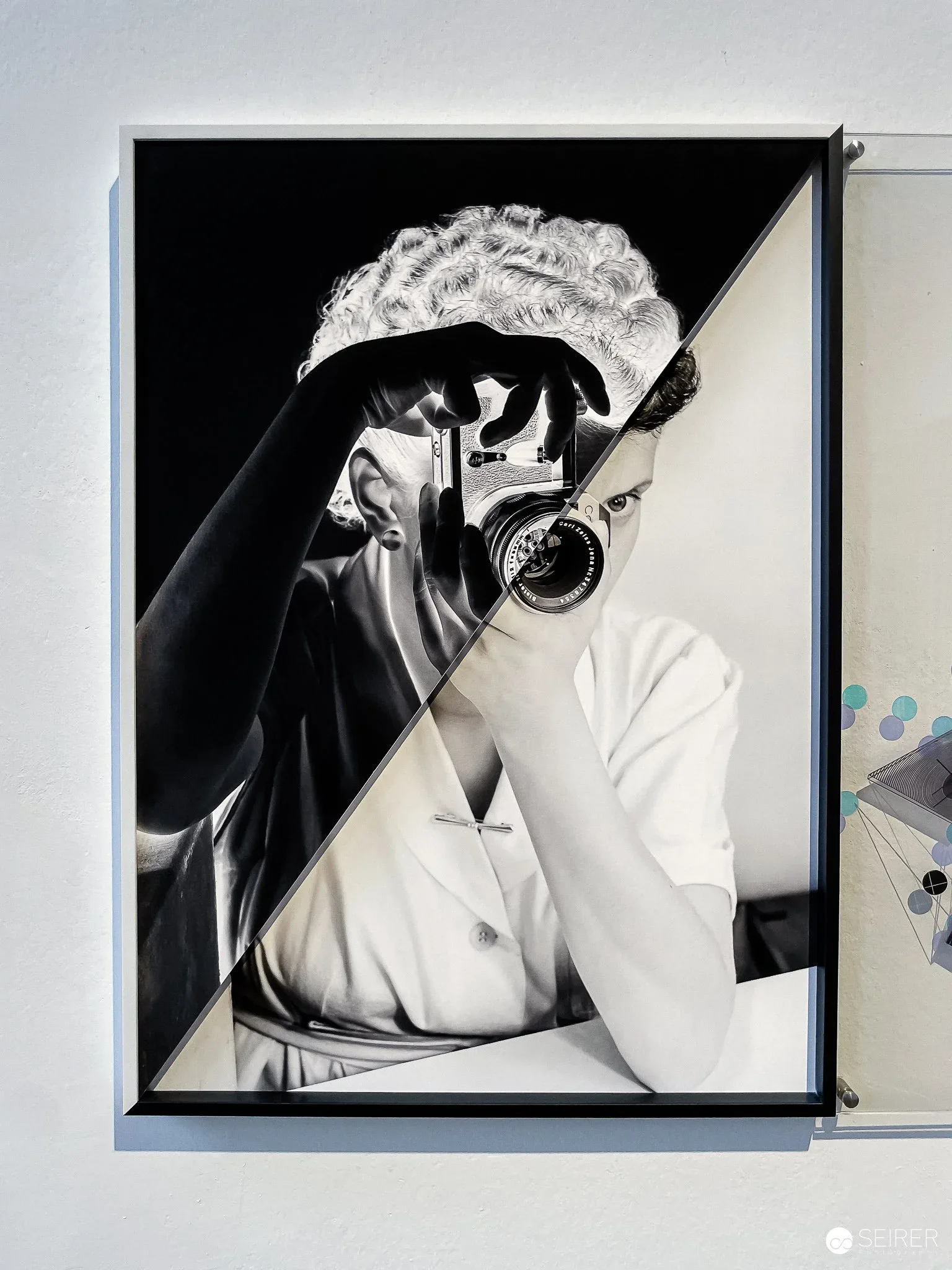
at Francisco Carolinum: some Secrets on Photography
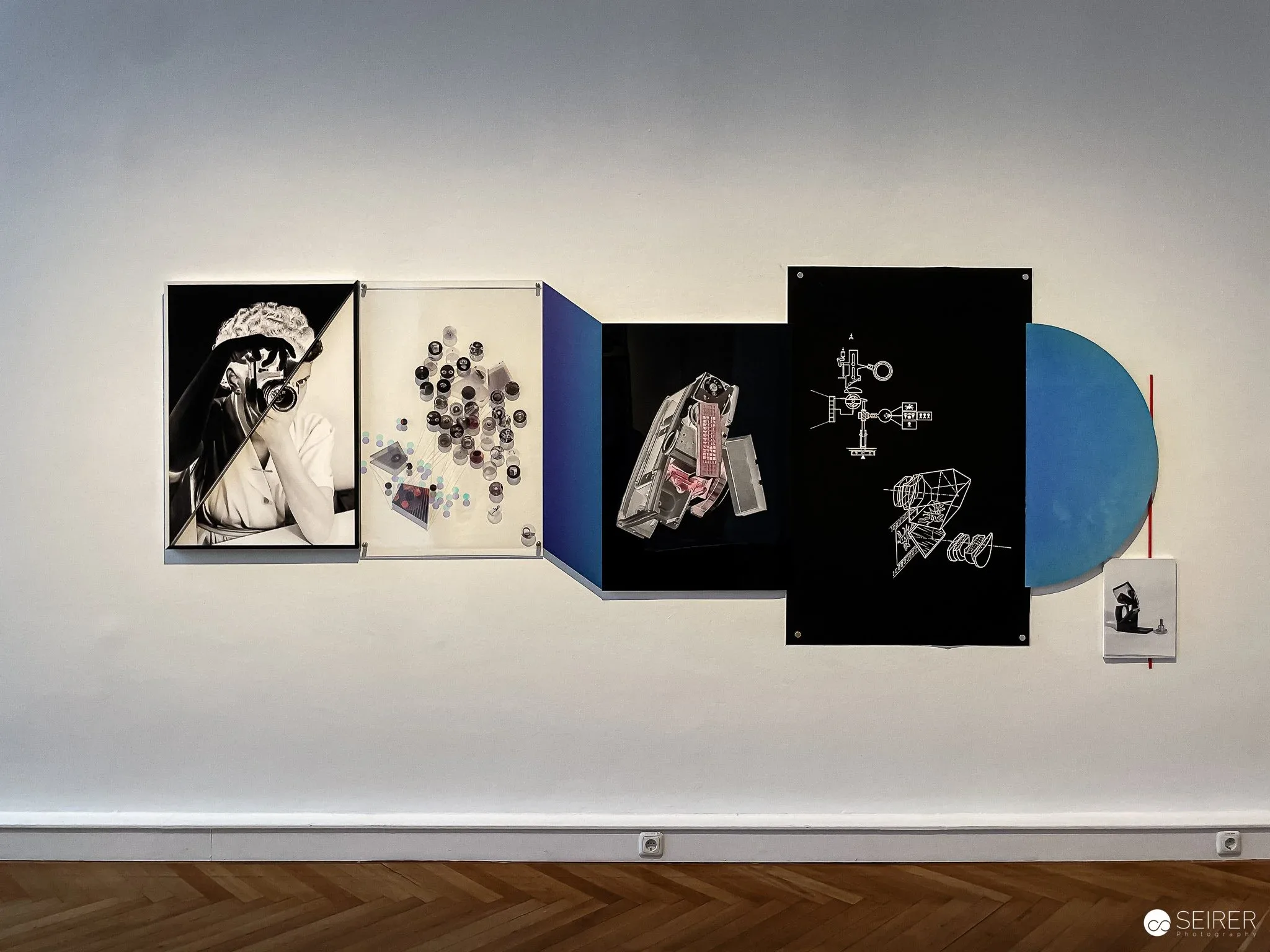
at Francisco Carolinum: some Secrets on Photography
Peter Schreiner pulls apart instructional photography - the dry, austere images created for teaching materials - and reveals hidden narratives buried in their apparent neutrality. It’s a sharp reminder that no photograph is truly objective, not even the ones that try hardest to be.
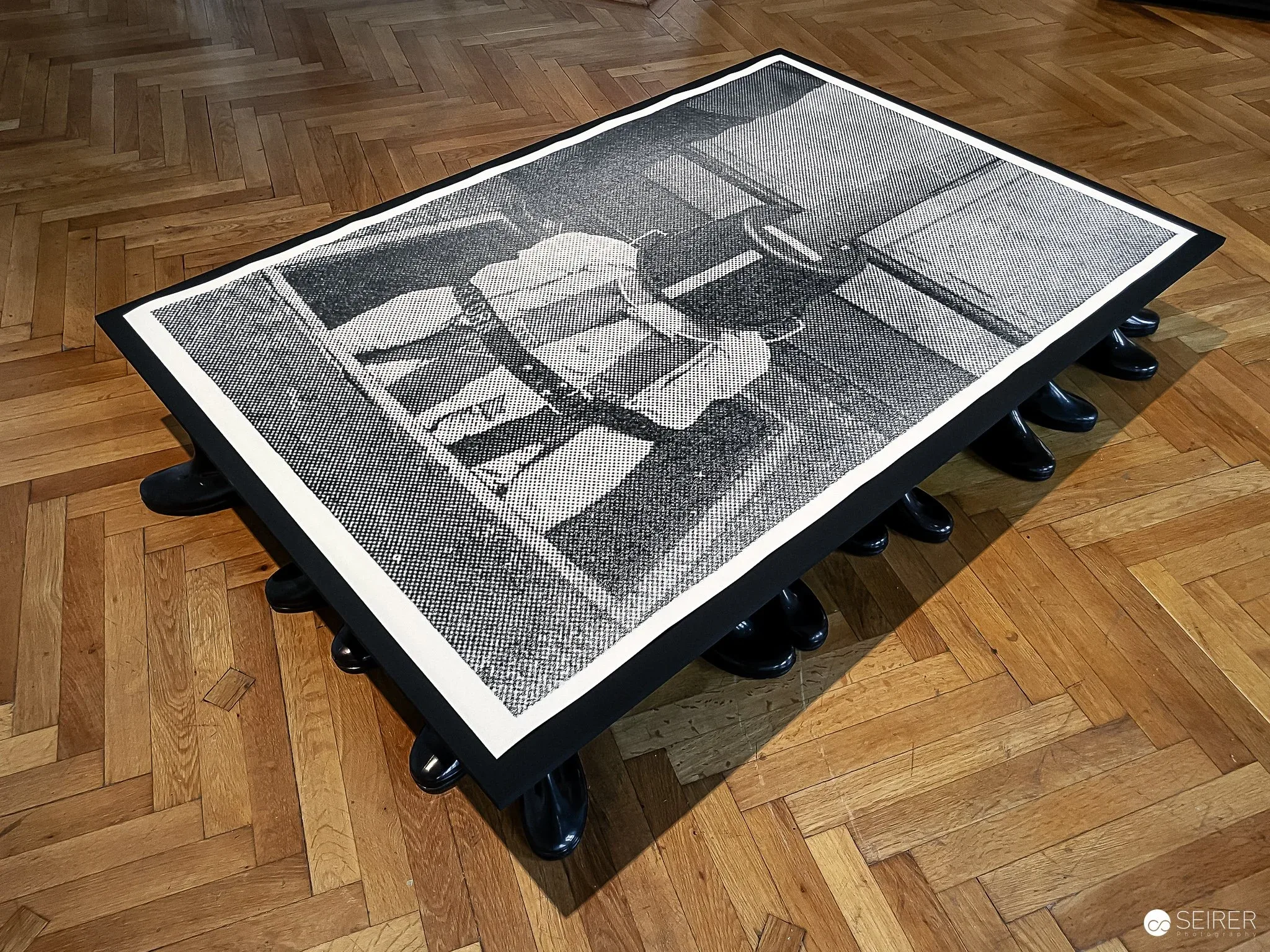
Exhibition view Peter Schreiner at Francisco Carolinum: some Secrets on Photography
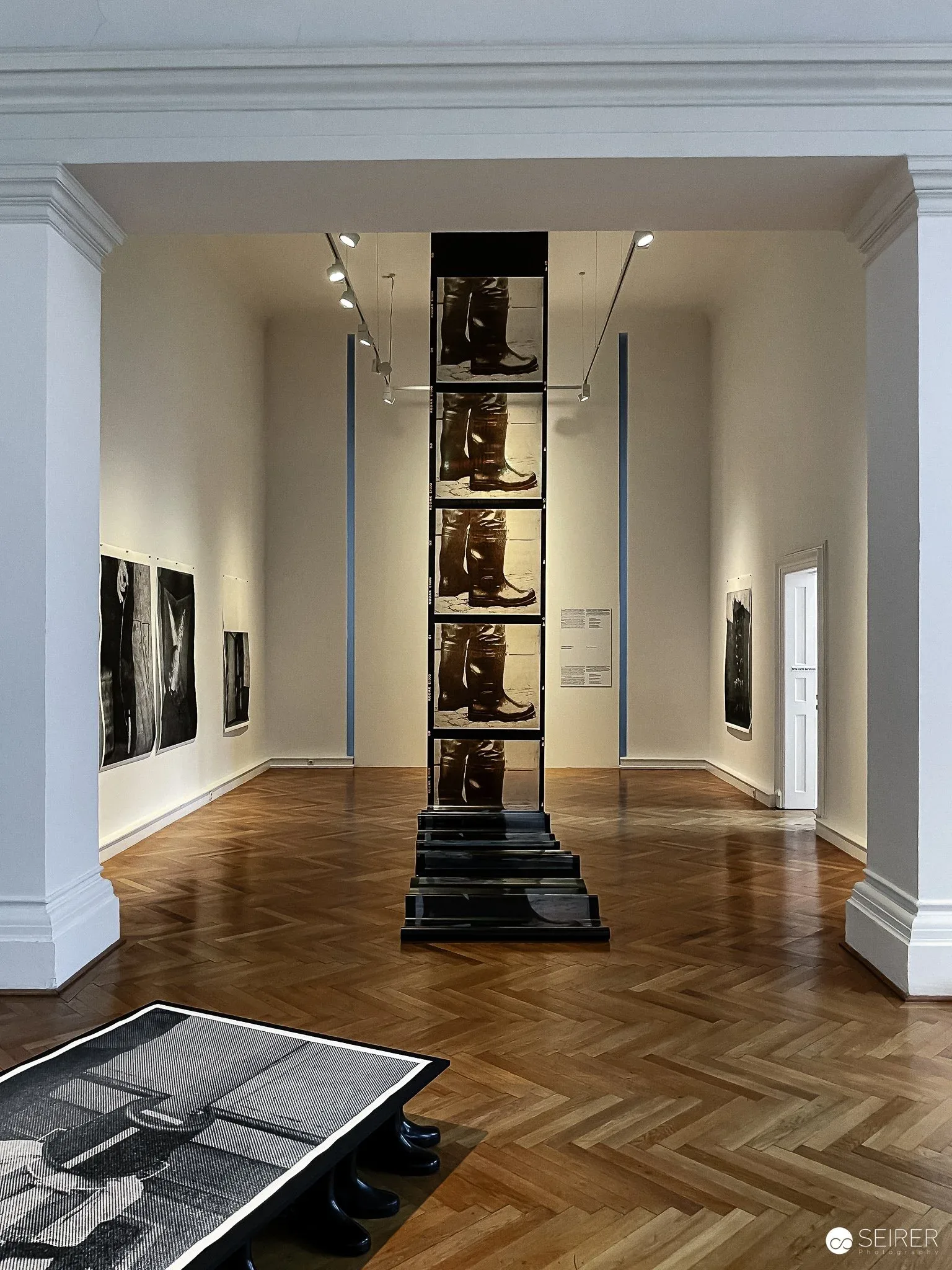
Exhibition view Peter Schreiner at Francisco Carolinum: some Secrets on Photography
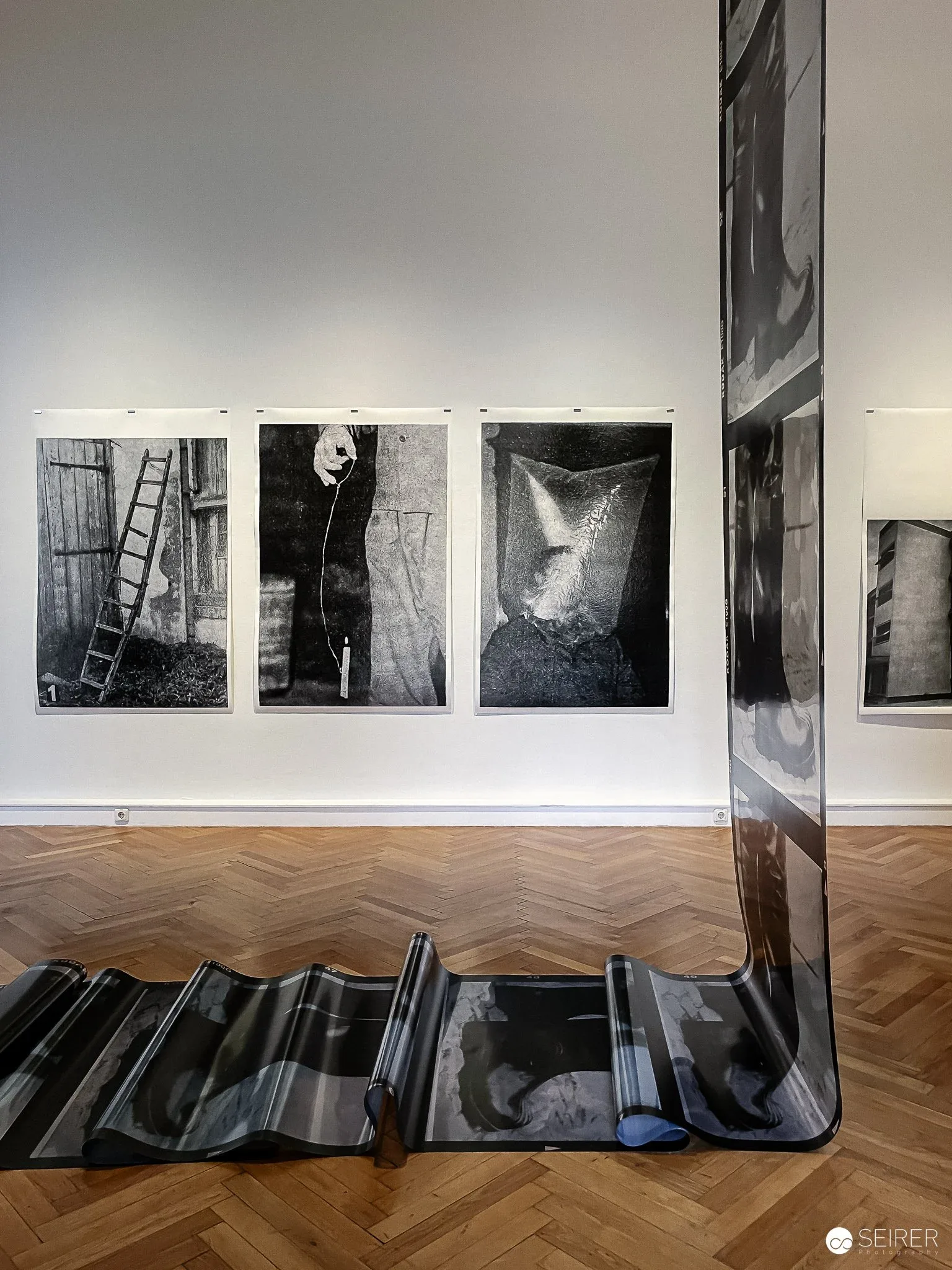
Exhibition view Peter Schreiner at Francisco Carolinum: some Secrets on Photography
The Case For and Against
Against: This is not easy viewing. If you’re looking for visual spectacle or emotional gut-punches, you may leave underwhelmed. The conceptual framing requires patience. Some pieces need you to read the accompanying text before they click. Kids under 12 will be bored. And at times, the show risks falling into the trap that conceptual art exhibitions sometimes do - being more interesting to talk about than to actually stand in front of.
For: But if you care about photography - not just as a tool for making pretty pictures, but as a medium with a wild 200-year history full of accidents, obsessions, and forgotten corners - this show is a rare treat. It’s the kind of exhibition that changes how you think about photography. And honestly? The Francisco Carolinum itself is worth the trip. Upper Austria’s museum for modern and contemporary art, right in the center of Linz, beautifully curated, never overcrowded.
And as a bonus…
… you can view the permanent installation “Tipping Point - Shift of Meaning” by Brigitte Kowanz (1957-2022). She worked with light as her primary medium - neon tubes, mirrors, and LED installations that turned language into sculpture. Her pieces often encode text in Morse code or bend neon into letterforms, so meaning literally glows. The mirror boxes you see at the Francisco Carolinum are characteristic: infinite reflections of light and text, collapsing the distance between the readable and the visible. Her work isn’t decorative - it’s a persistent question about how we transmit meaning, and whether light itself can carry it.
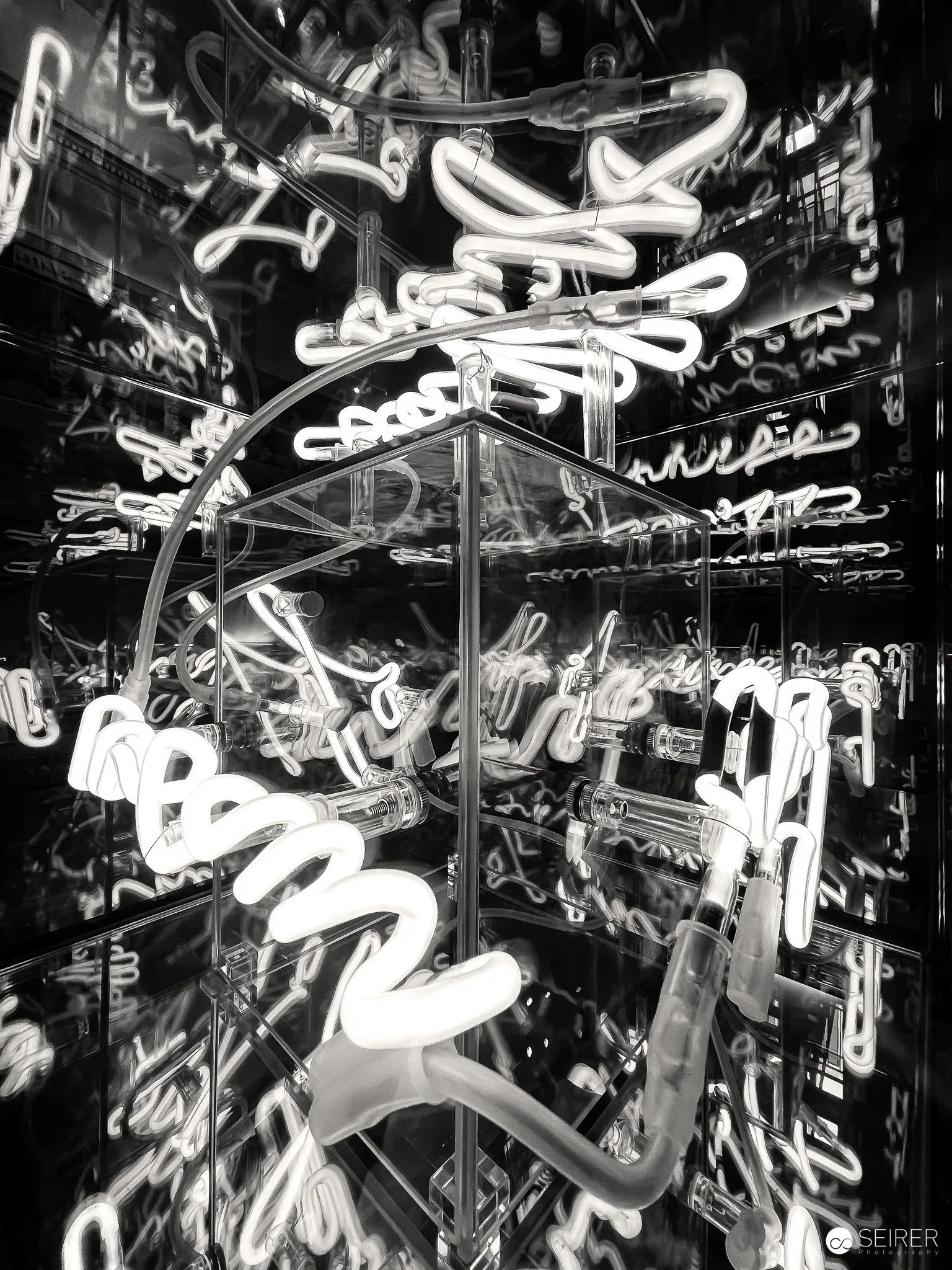
“Tipping Point - Shift of Meaning” by Brigitte Kowanz completed for the Francisco Carolinum in 2021
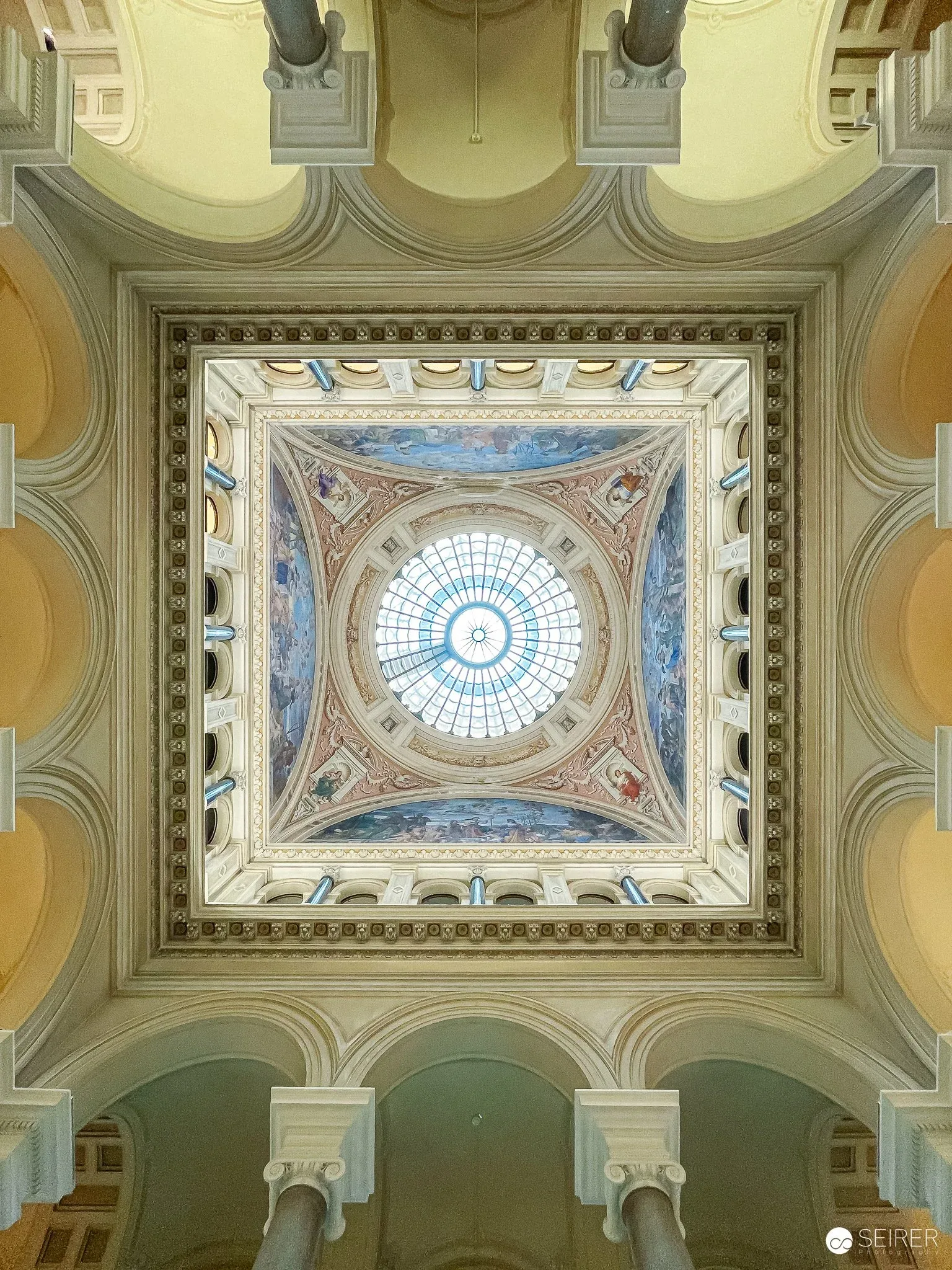
Look up when walking up to the 1st floor where the exhibition is
Practical Info
- Where: Francisco Carolinum, Museumstrasse 14, 4020 Linz
- When: March 6 - July 12, 2026, Tuesday-Sunday 10:00-18:00
- Admission: EUR 6.50 (reduced EUR 4.50, seniors 60+ and school classes free)
- Curator tour with Ruth Horak: April 24 at 4:00 PM (register ahead)