
The Oldest Business Model (maybe)
“Noble Begierden” - or “Dealing in Splendour” as the English title puts it - tells a story almost nobody in the art world likes to admit: art has always been a business. Not sometimes, not reluctantly - always. Take the Forchondt family in the 1600s - Antwerp dealers shipping paintings across Europe like a multinational corporation, with branches in Vienna and the Iberian Peninsula, managing inventory and representatives across continents. Or go back further to Roman marble copies of Greek originals, mass-produced for status-conscious collectors. Two thousand years of artists, dealers, and collectors playing the same game with different costumes.
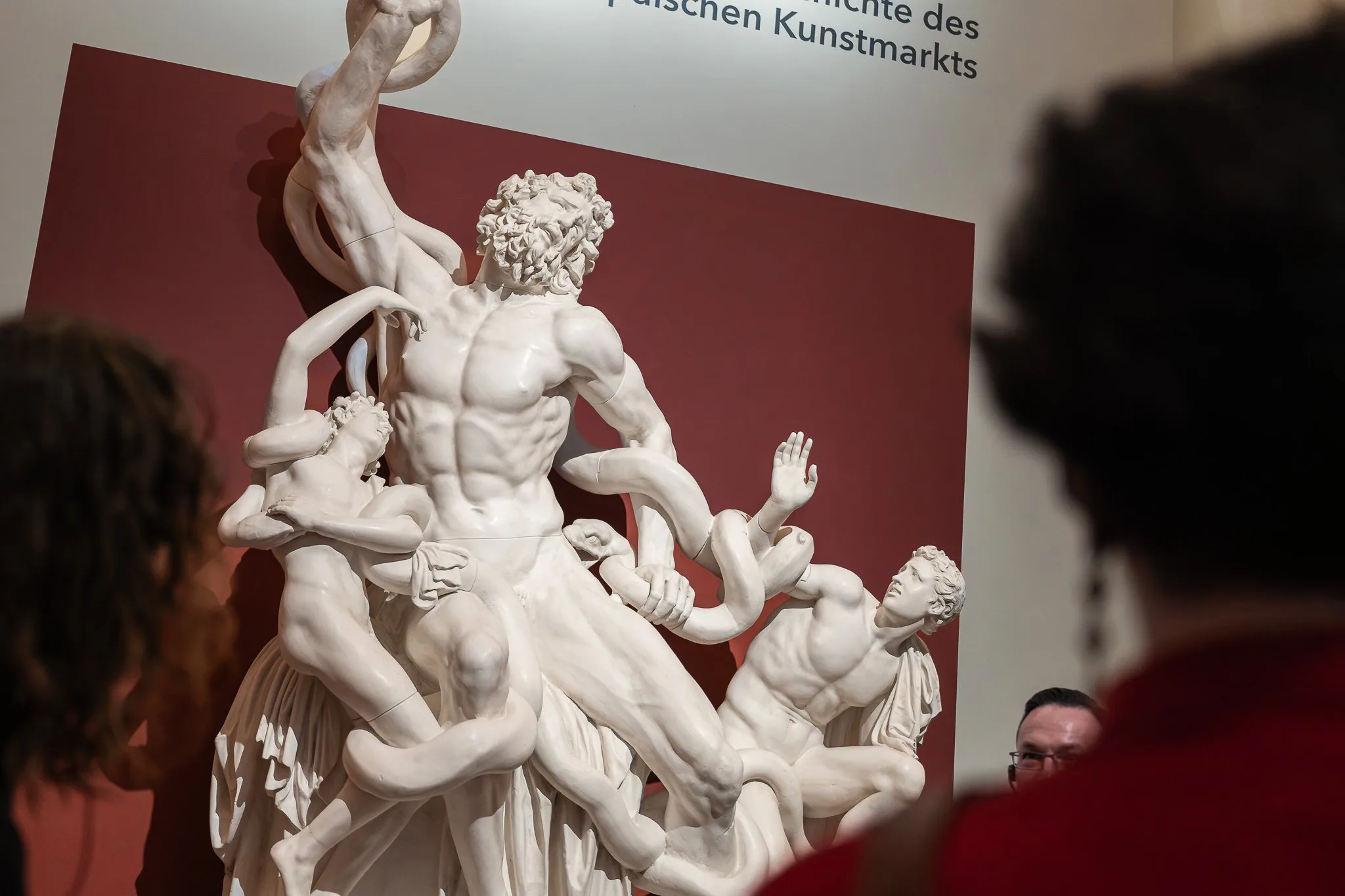
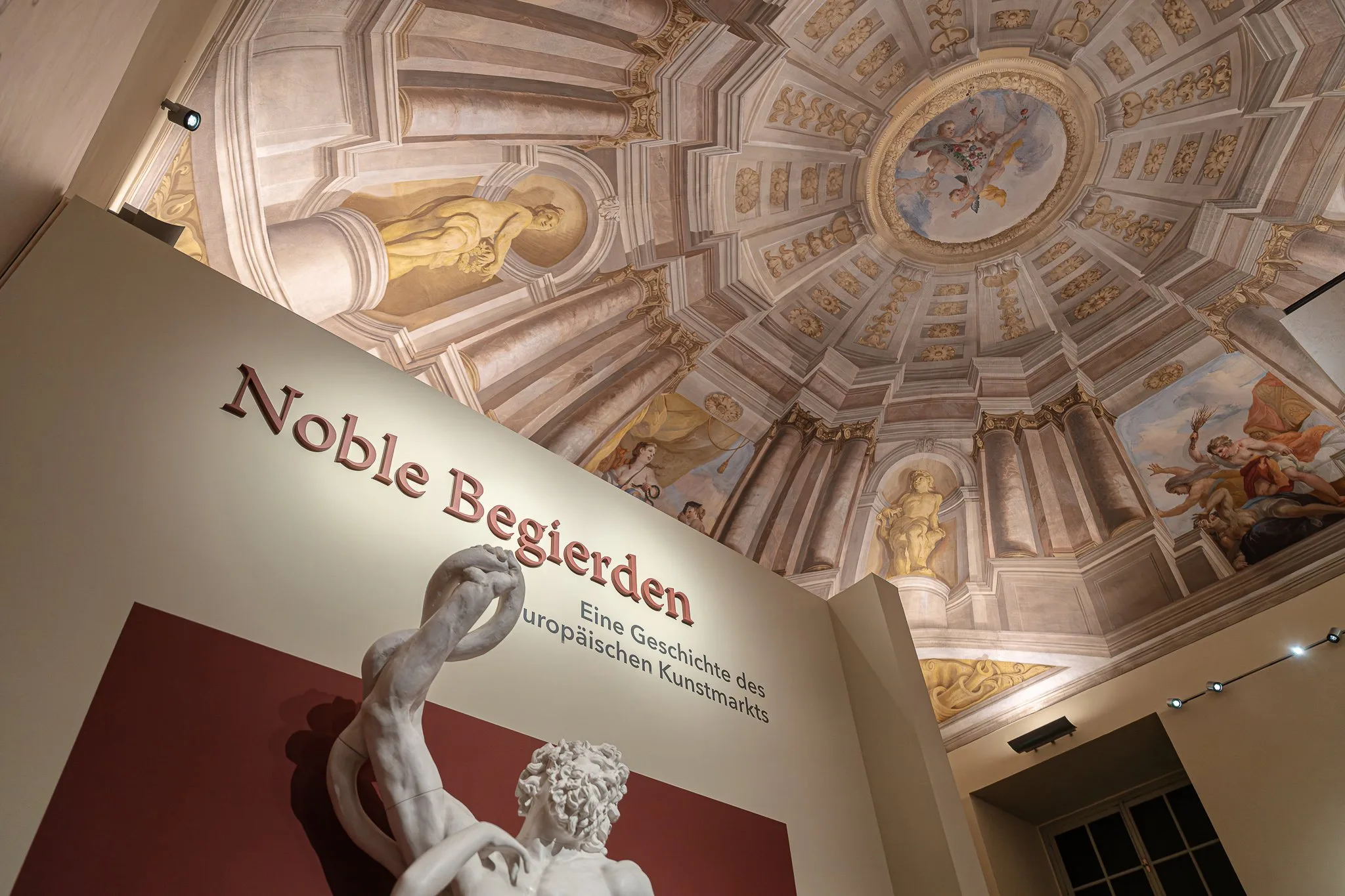
Laocoön and His Sons - plaster cast of a 1st-century CE marble reproduction of an alleged early 2nd-century BCE original from the eastern Aegean - the view you are welcomed with when entering the exhibition
How Do You Exhibit Commerce?
But here’s what fascinated me even before I got into the actual content: how do you even display something like this? Think about it for a second. The subject is the art market - supply and demand, dealer networks, pricing strategies, auction mechanics. These are abstract concepts. You can’t hang “market dynamics” on a wall. Most exhibitions about commerce end up as walls of text with a few objects sprinkled in as decoration. Boring. Educational in the worst sense of the word. The curators - Stephan Koja, Christian Huemer, and Yvonne Wagner - clearly thought about this problem. And they found a clever solution: they didn’t illustrate the market. They let the market illustrate itself through the objects it produced. Look at Monet’s four “Houses of Parliament” paintings (1904) hanging in the same room - the same subject painted multiple times, a strategy the exhibition traces to market demand for variation without sacrificing the appeal of a recognizable subject. Or Rembrandt’s self-portrait wearing imaginary gold chains - marketing through imagery, designed to make him look successful so he’d attract rich patrons. Every artwork in this exhibition is selected not just for its beauty, but for what it reveals about the economic system that created it. The paintings and sculptures become evidence. You’re not just admiring - you’re reading the market.
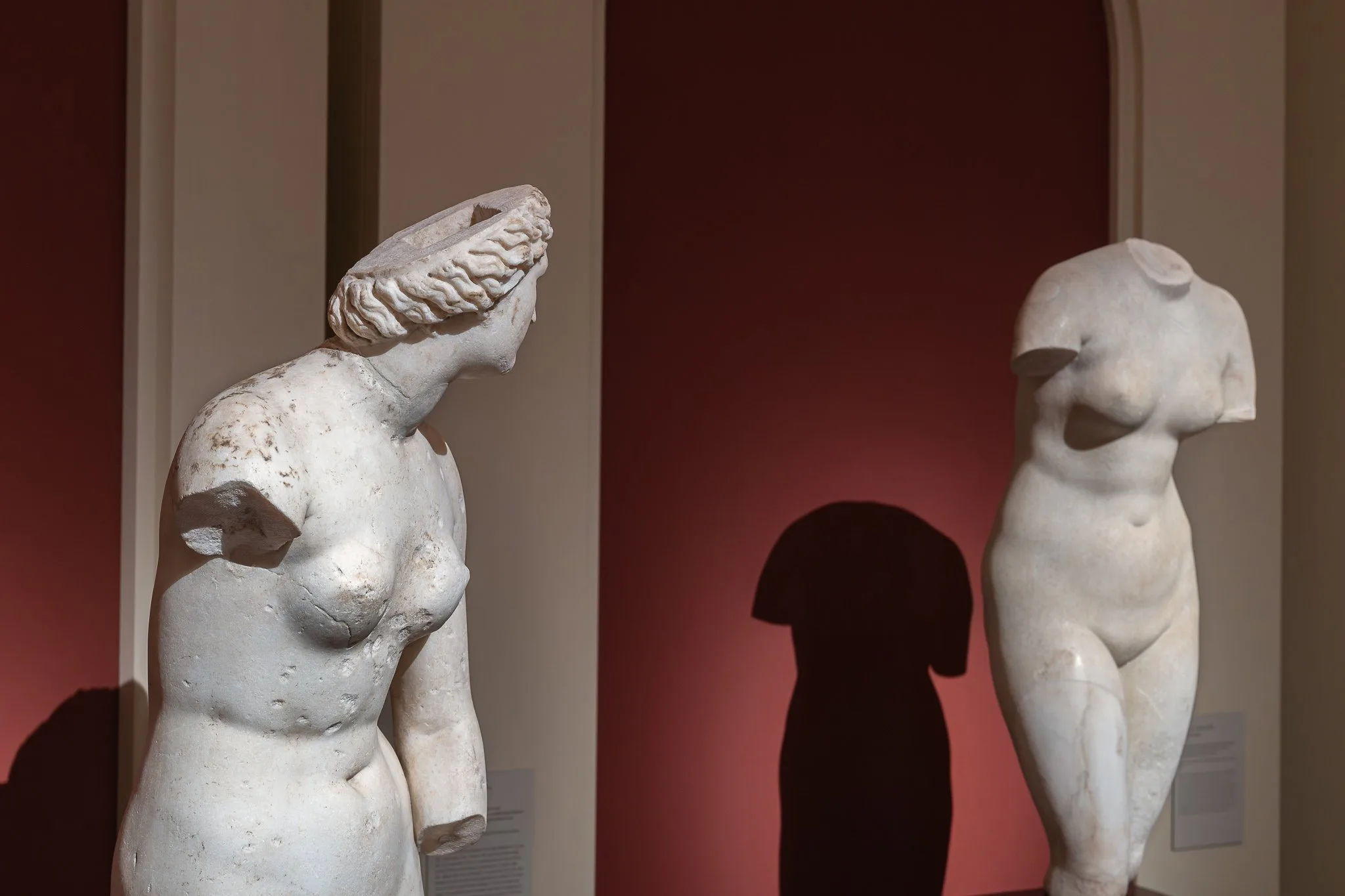
Exhibition view Dealing in Splendour at Gartenpalais Liechtenstein, 2026
Documents as Plot, Paintings as Characters
That reframing changes your reception. Suddenly you’re walking through rooms of genuinely stunning art - Monet, Titian, Canaletto, van Dyck - but seeing them through a completely different lens. The focus shifts: instead of pure aesthetics, you’re reading the economics. The curators placed account books next to altarpieces, auction catalogues next to portraits, trade correspondence next to landscapes. Documents and art side by side, equal in importance. It shouldn’t work, but it does - because the documents are the plot, and the paintings are the characters.
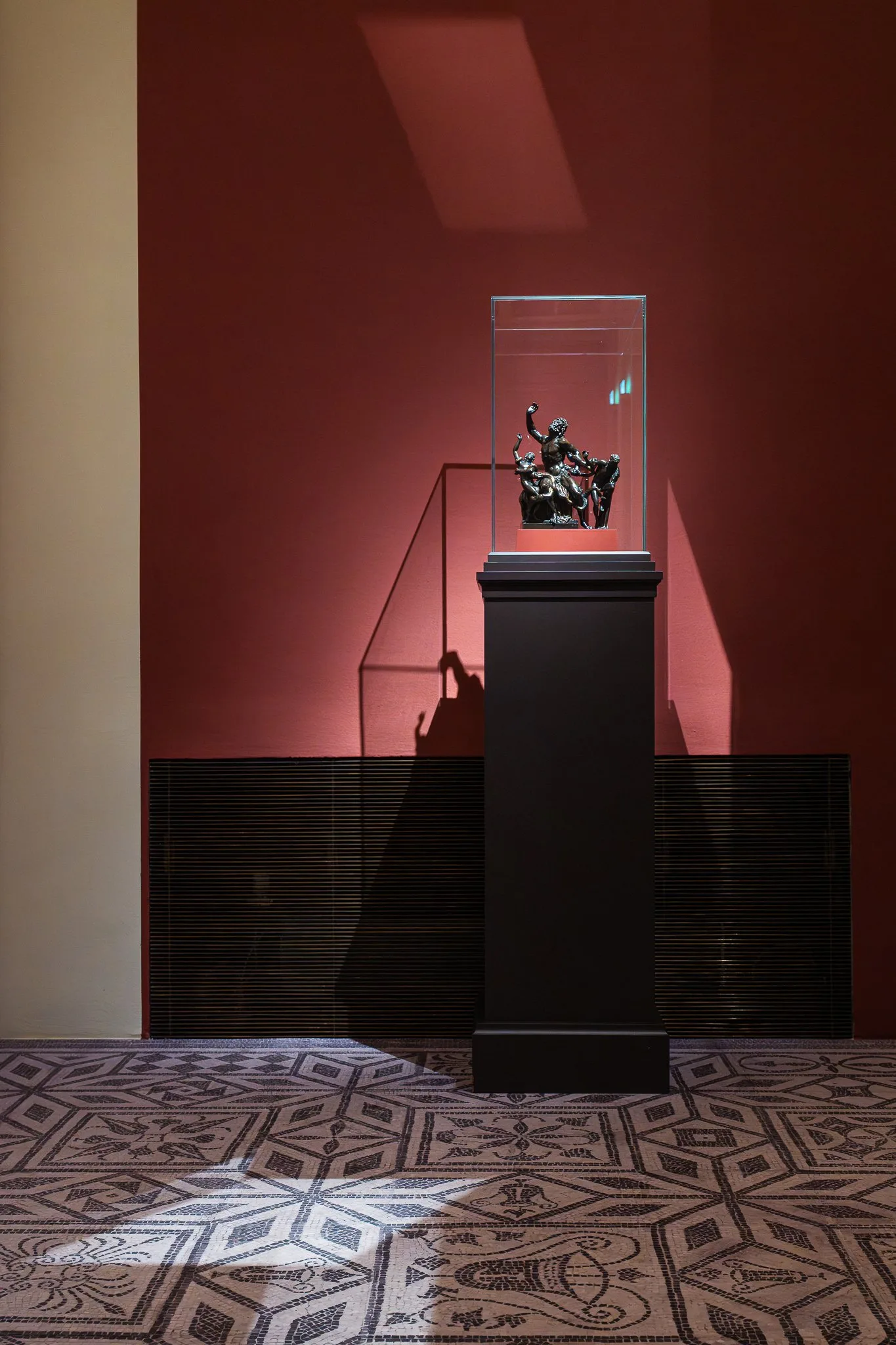
Exhibition view Dealing in Splendour at Gartenpalais Liechtenstein, 2026
The First Art Logistics Empire
The Forchondt family were Antwerp art dealers who built a trading network stretching from Flanders to Vienna to the Iberian Peninsula. A family business shipping paintings across Europe like Amazon ships books. They had representatives in multiple cities, managed inventory, handled logistics. In the 1600s. I had no idea this existed, and honestly it made the whole “globalization is new” narrative feel a bit silly.
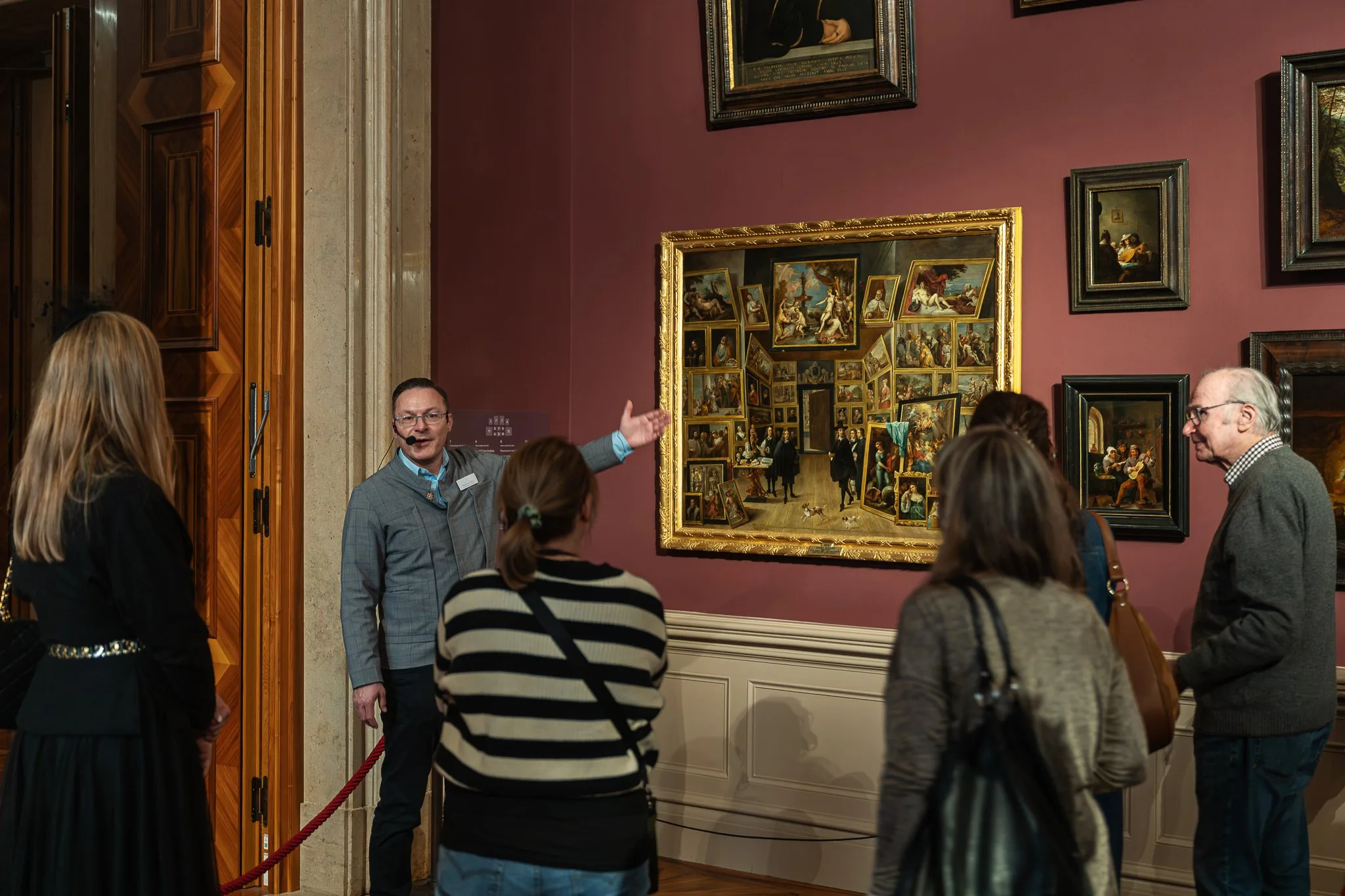
Exhibition view Dealing in Splendour at Gartenpalais Liechtenstein, 2026
From Marble Copies to Marketing Machines
The spatial structure helps too. Room by room, you follow the money through history - ancient Rome to Renaissance Florence to Antwerp to Amsterdam, then south again on the Grand Tour, before landing in the auction houses and dealer showrooms that shaped how we buy art today. Each room is its own ecosystem with its own logic. You feel the market evolving. The pace picks up as you move forward through the centuries, mirroring how art commerce itself accelerated. By the time you reach Charles Sedelmeyer - a Vienna-born dealer (Karl to his family back home, but Charles played better in Paris) who turned gallery openings into theatrical events in the 1880s - you realize you’ve watched the birth of everything we now take for granted about how art is sold.
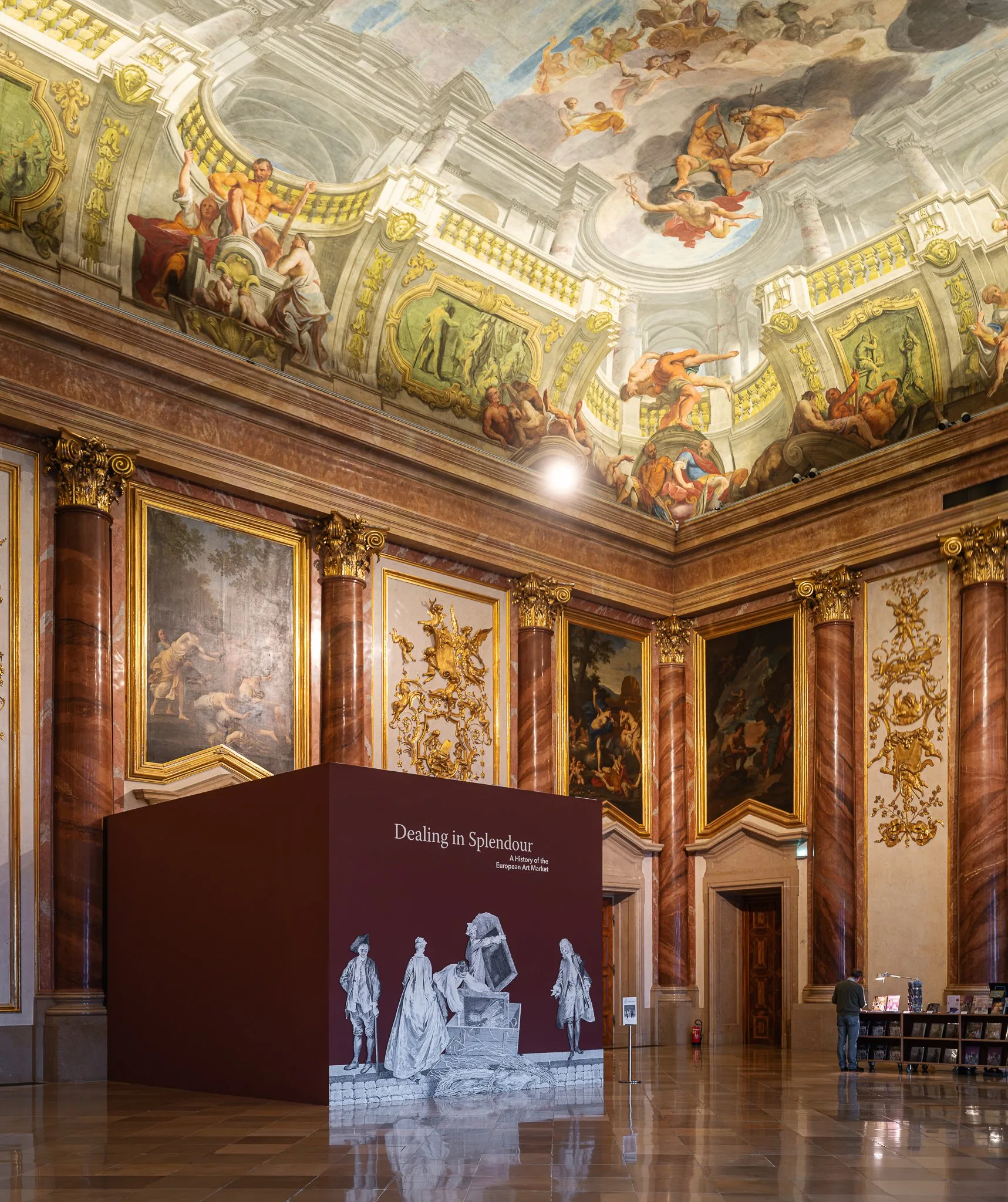
Exhibition view Dealing in Splendour at Gartenpalais Liechtenstein, 2026
Same Playbook, Different Century
The exhibition stops at the 19th century, but you can’t help drawing lines forward. Brueghel running a dynasty-based workshop producing replicas - how is that different from Banksy prints? Sedelmeyer staging dramatic unveilings - that’s every Art Basel booth today. The patterns repeat. Only the lighting changes.
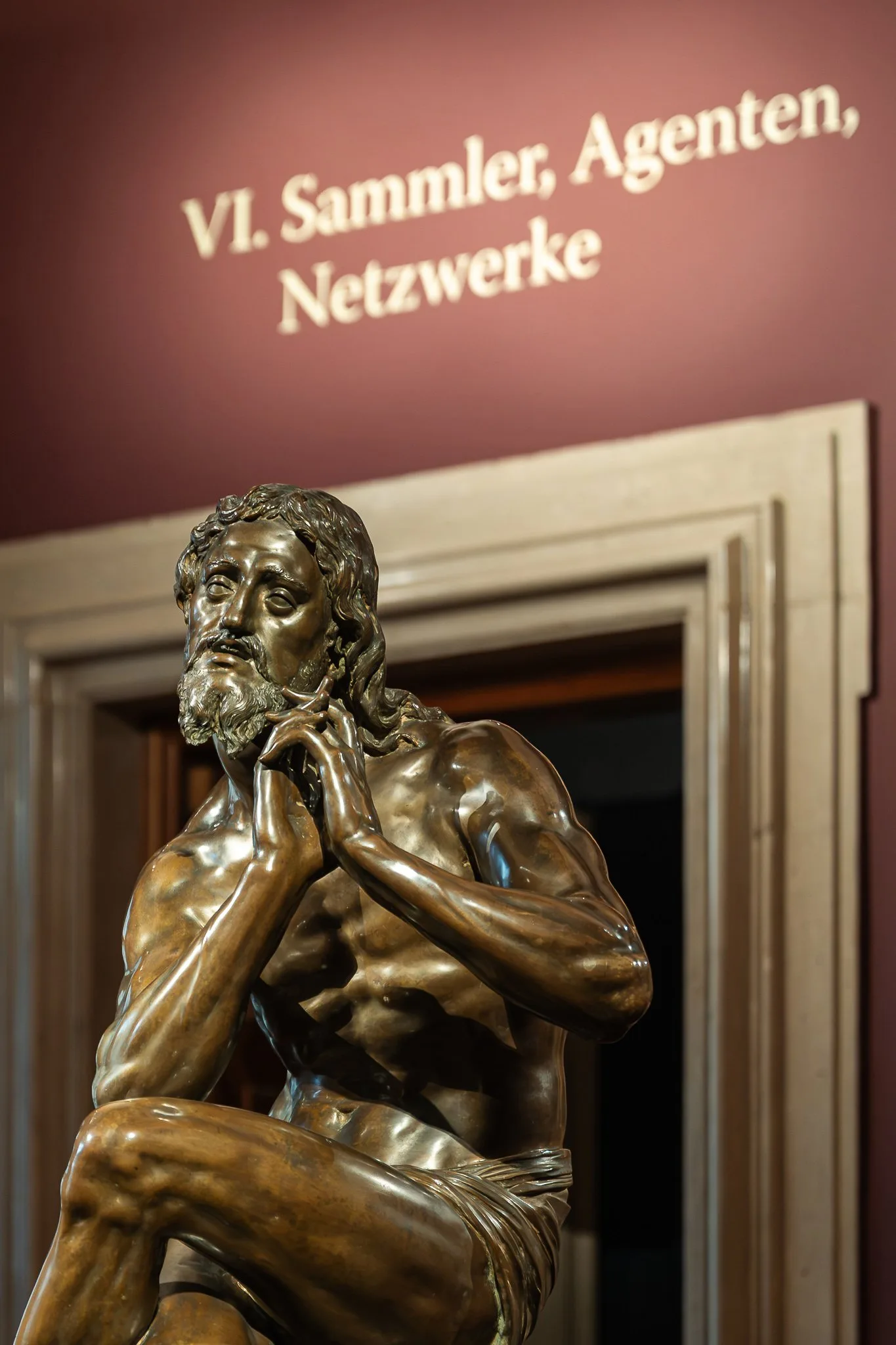
Exhibition view Dealing in Splendour at Gartenpalais Liechtenstein, 2026
They Trusted You to Get It
Also worth noticing: the curators didn’t moralize. They didn’t say “art should be above money” or “commerce corrupts creativity”. They just showed the evidence and let you sit with it. That honesty felt refreshing in a city where we love to pretend culture exists on some higher plane, untouched by economics. And that restraint is also what makes the exhibition design work - they trusted the objects to carry the argument instead of drowning you in explanatory panels.
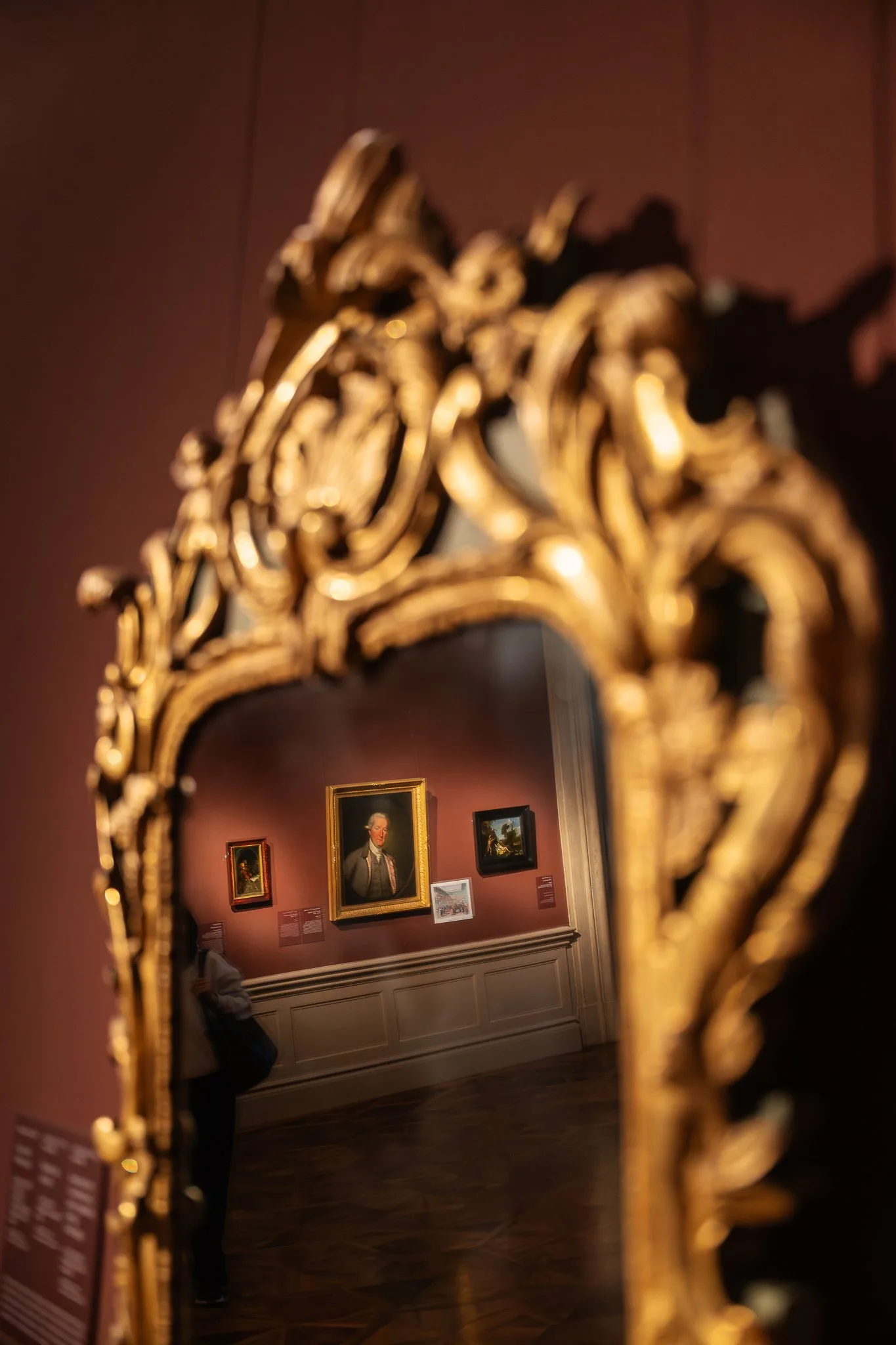
Exhibition view Dealing in Splendour at Gartenpalais Liechtenstein, 2026
A Palace That Proves the Point
The Liechtenstein family themselves are sitting on one of Europe’s great private collections - built over 400 years of exactly this kind of dealing. There’s something beautifully self-aware about them staging this exhibition in their own palace. The Gartenpalais isn’t a neutral white cube (well, except one room). It’s a Baroque monument to wealth and taste - the kind of building that only exists because someone had the money and the desire to fill it with art. And here’s where it gets clever: the building itself is the exhibition. You’re looking at Andrea Pozzo’s ceiling frescoes - they aren’t hanging next to the exhibition, they ARE part of the art market history being displayed. The palace proves the point. Commerce didn’t corrupt this building, it created it. Two hundred and fifty years of wealth accumulation through the exact market mechanisms you’re learning about. The venue is the thesis.
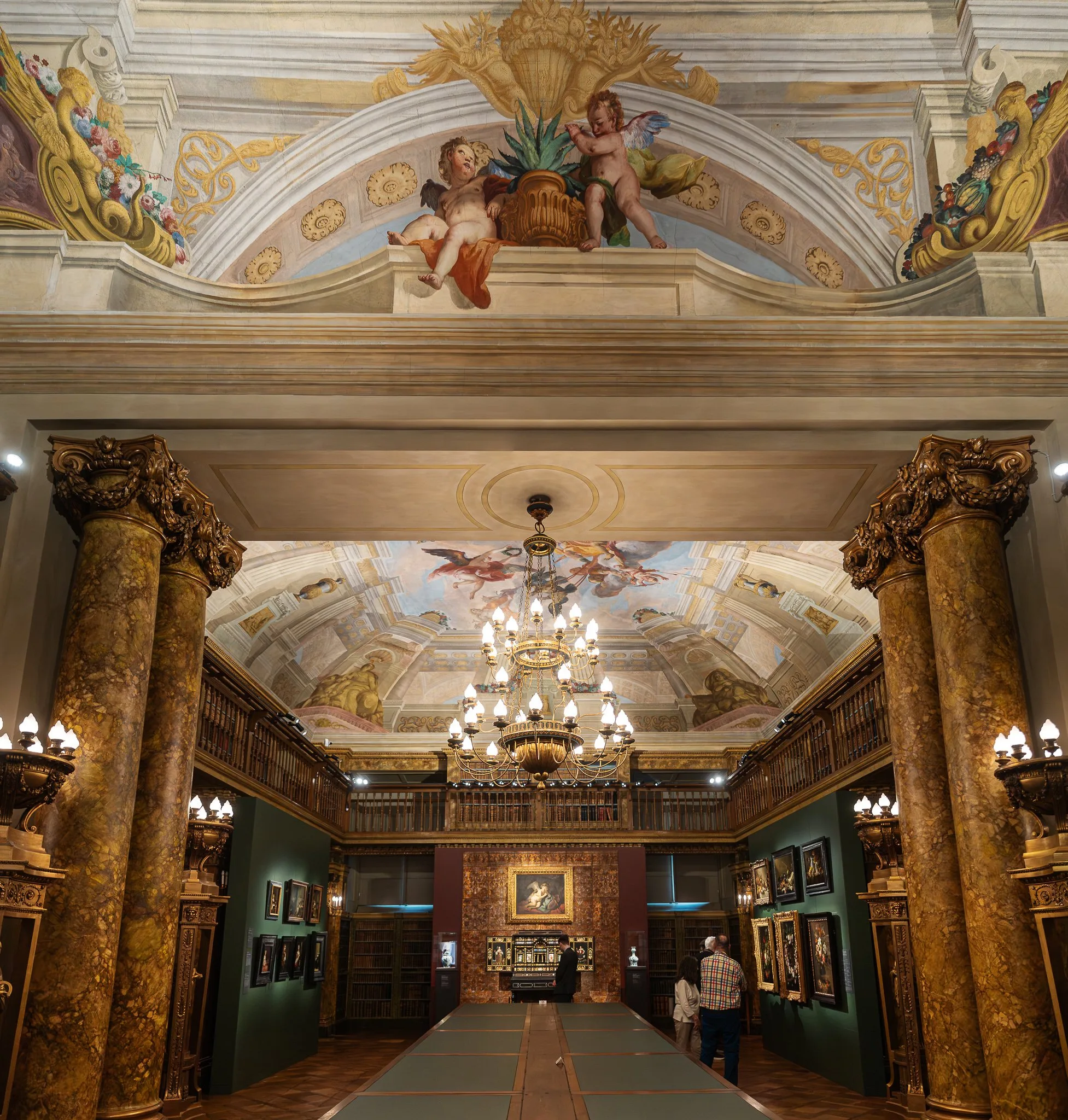
Exhibition view Dealing in Splendour at Gartenpalais Liechtenstein, 2026
Two Thousand Years About Money - and It’s Free
And then there’s the final twist that made me smile: admission is free. An exhibition that spends two thousand years arguing that art has always been about money - and they don’t charge you a single euro to see it. Over 200 works, Monet and Rembrandt included, in a Baroque palace worth seeing and the price is zero. It’s either the most generous contradiction or the most elegant punchline in Vienna’s exhibition calendar this year. Either way, you’d be a fool not to take them up on it. It runs until April 6. Daily 10 to 18. Furstengasse 1, 1090 Wien. You have four weeks. Visit the official exhibition page for more information and guided tours.