
If you’ve ever felt uncomfortable looking at art - that delicious squirm of confronting something real - you need to experience Annegret Soltau’s retrospective at Francisco Carolinum in Linz. This is body art that doesn’t apologize, feminist visual language that cuts straight through cultural BS, and a career that spans half a century of saying the unsayable through sewn photographs, performance, and raw human vulnerability.
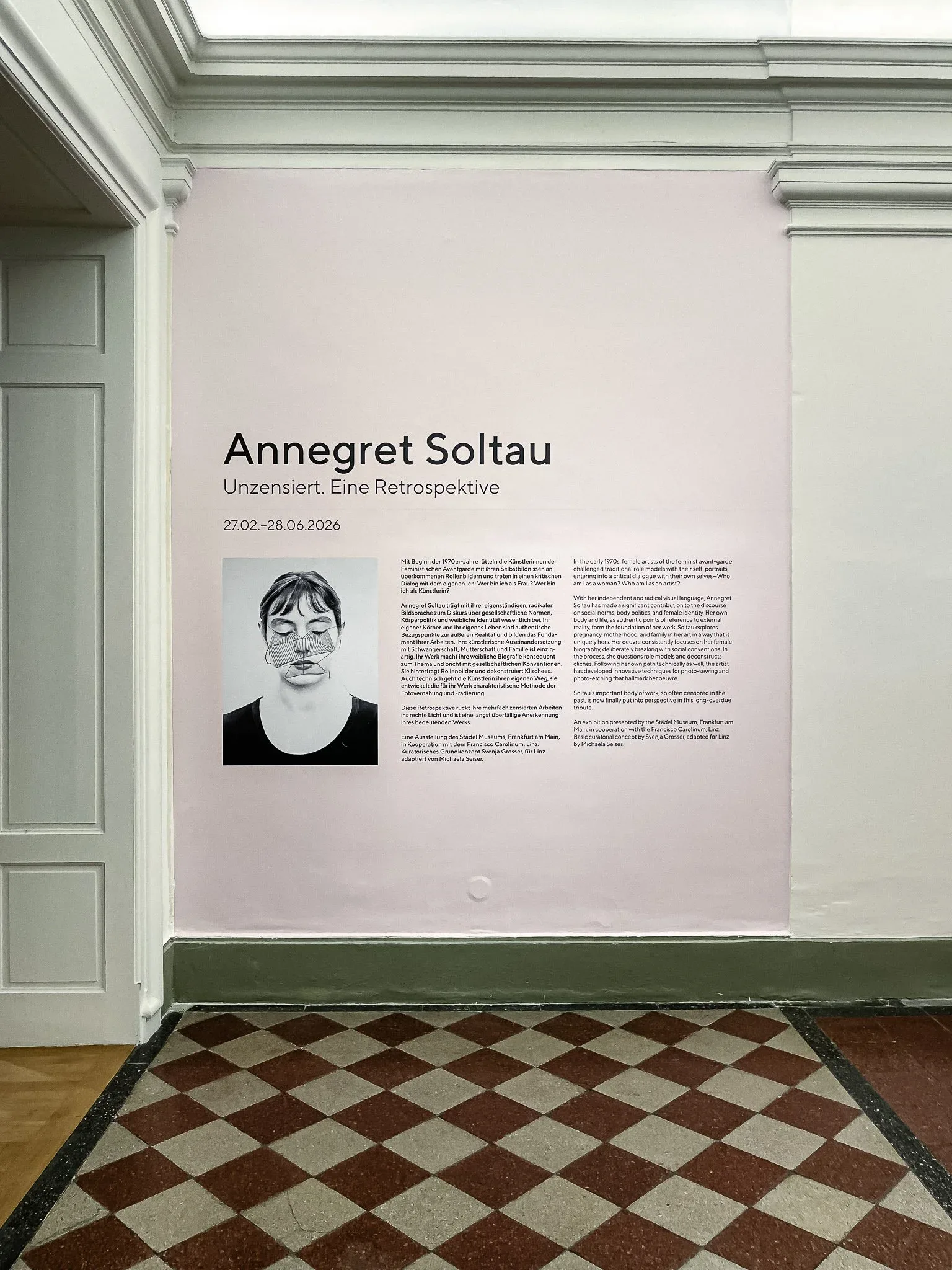
Who Is Annegret Soltau?
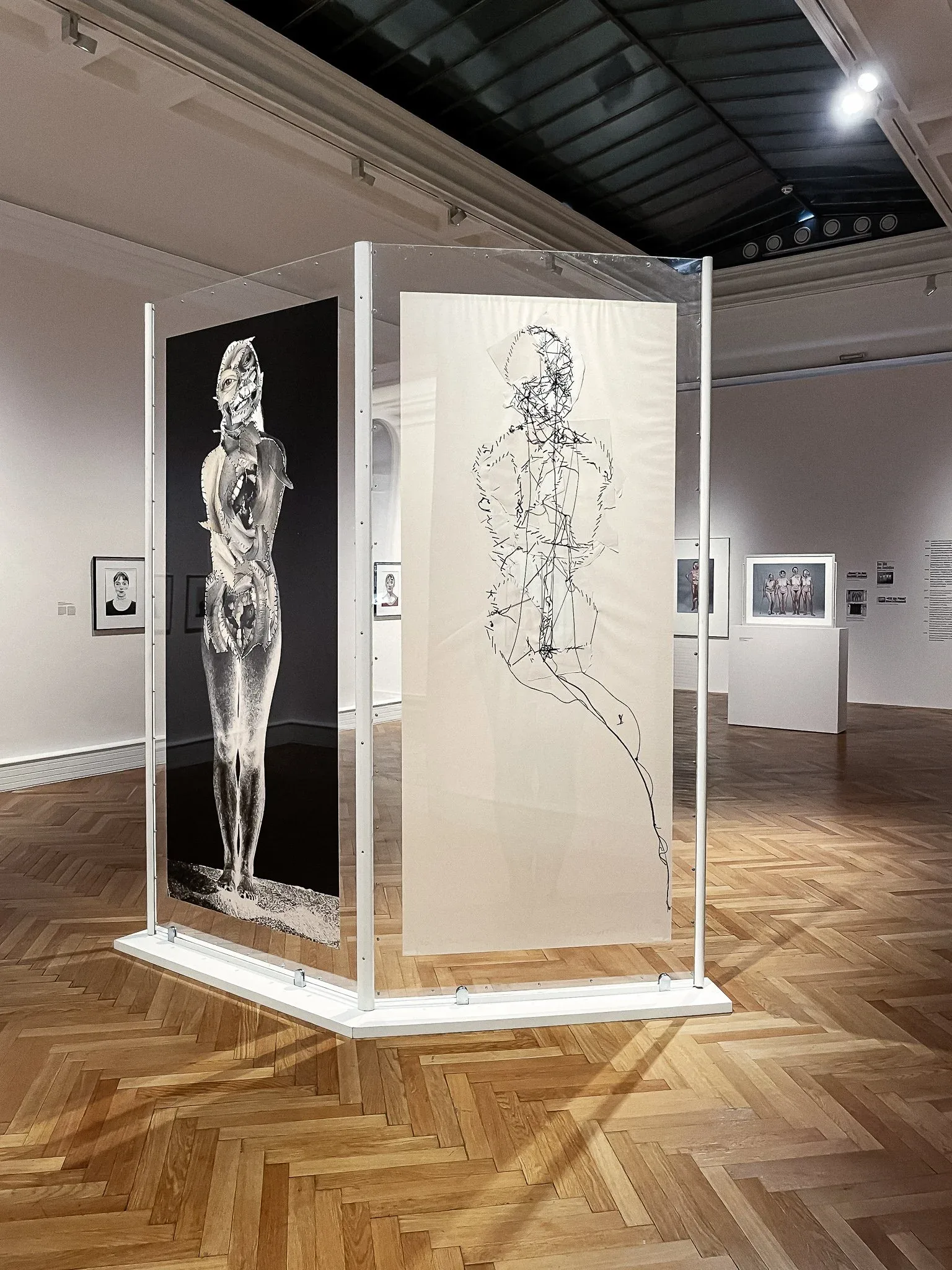
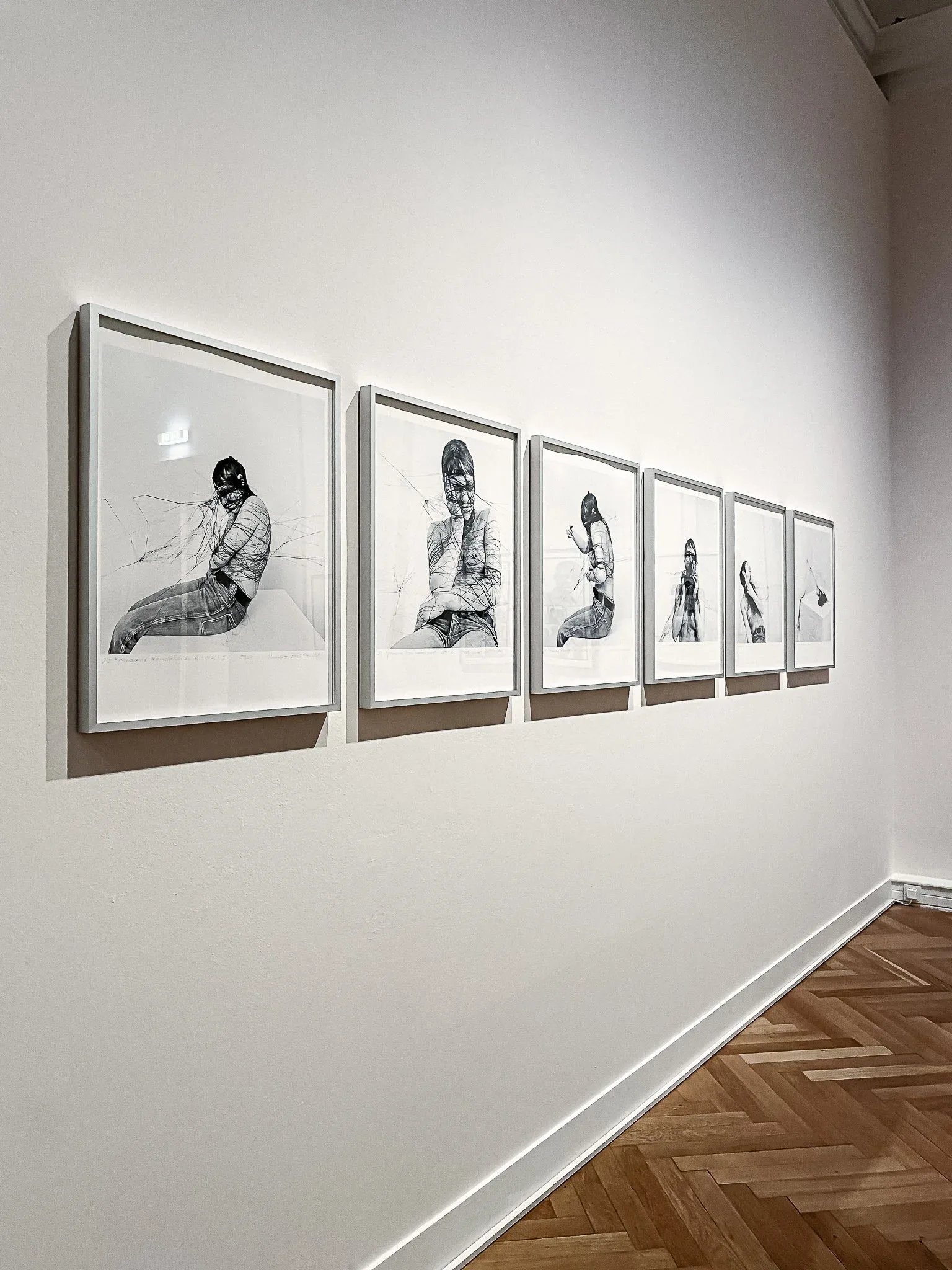
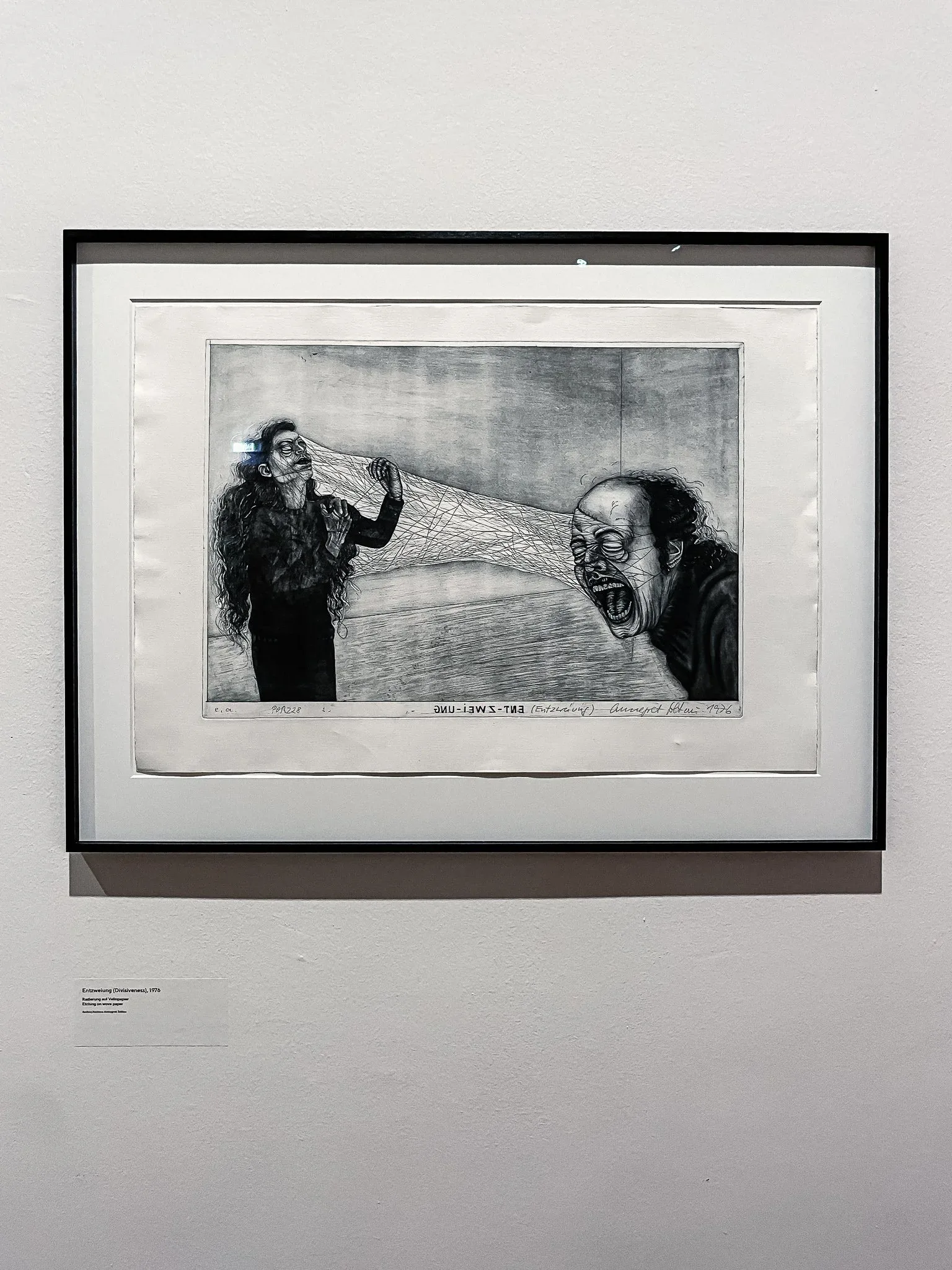
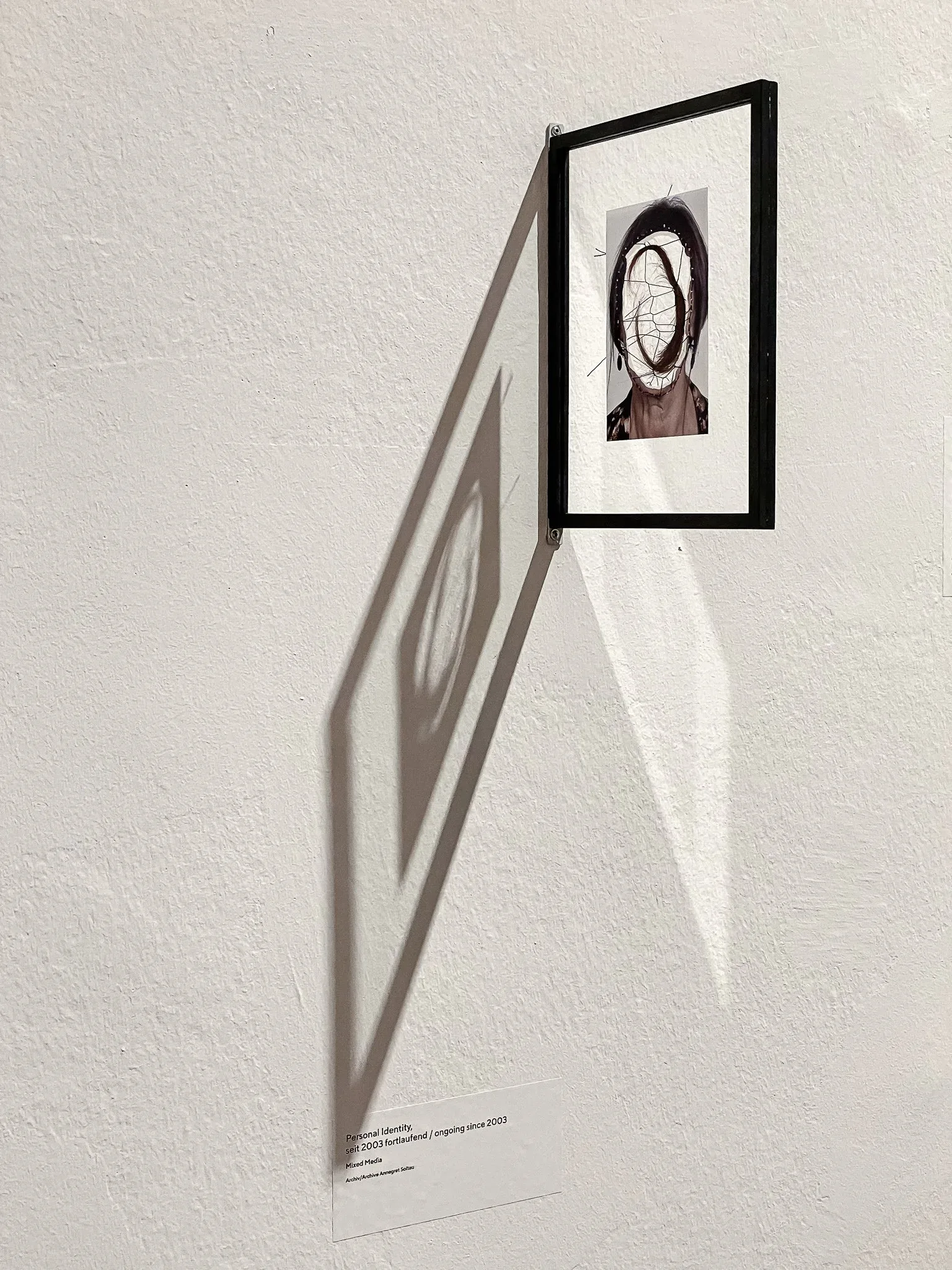
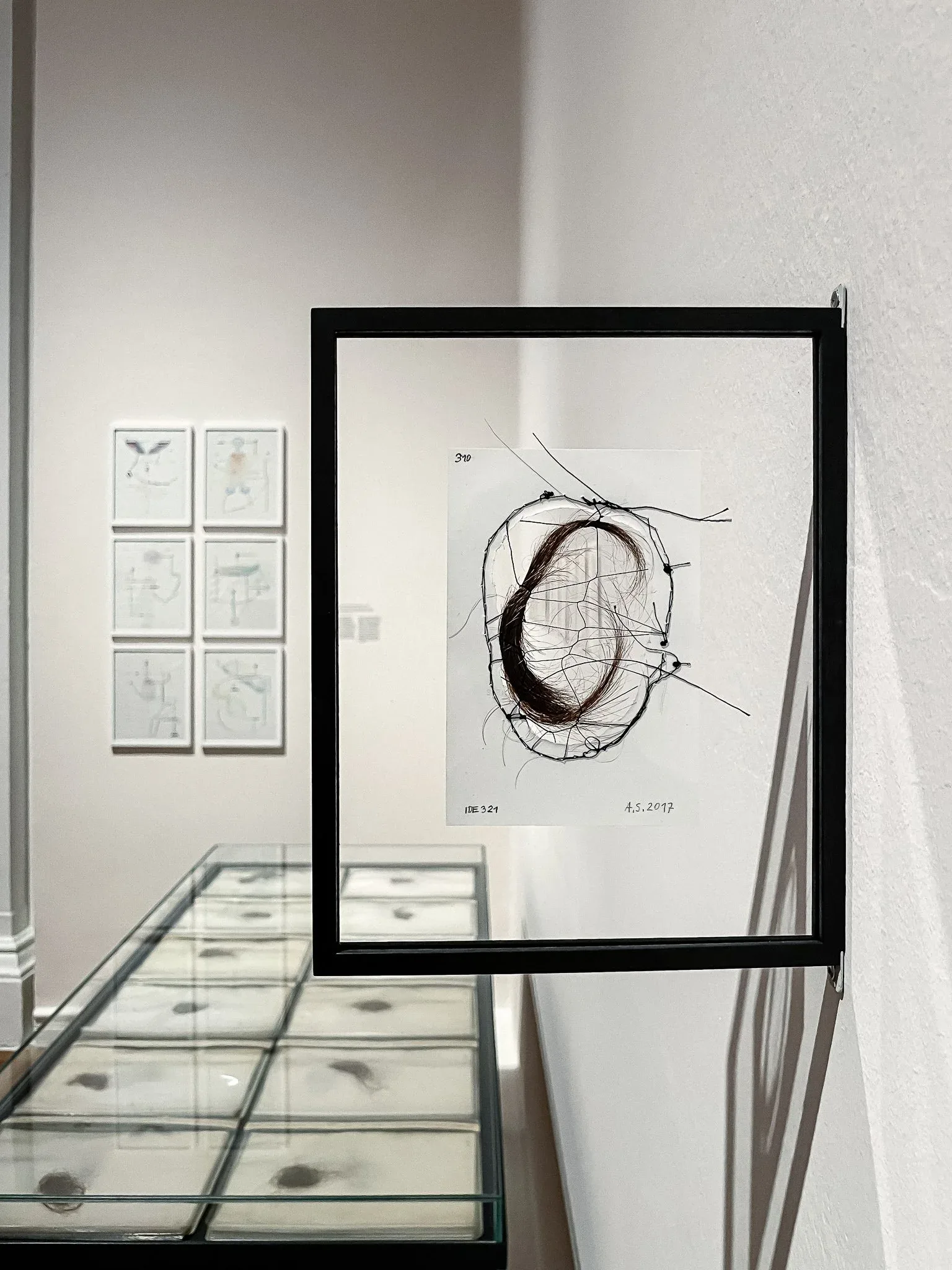
Born in 1946 in Lüneburg, Soltau grew up on an isolated farm after her father died in WWII and her relationship with her mother fractured. That early trauma arguably became the engine of her art: an unflinching commitment to exploring motherhood, family dysfunction, aging, pregnancy, and all the taboo stuff society prefers to ignore. She studied at Hamburg’s Academy of Fine Arts, and in 1975 - a turning point - she abandoned traditional painting and started using her own body as her primary material. Her signature technique: photographs sewn together with black thread, creating these haunting photomontages where fabric becomes scar tissue, where the stitch lines become part of the narrative. It’s gorgeous and disturbing in equal measure.
The “Unzensiert” (Uncensored) Retrospective
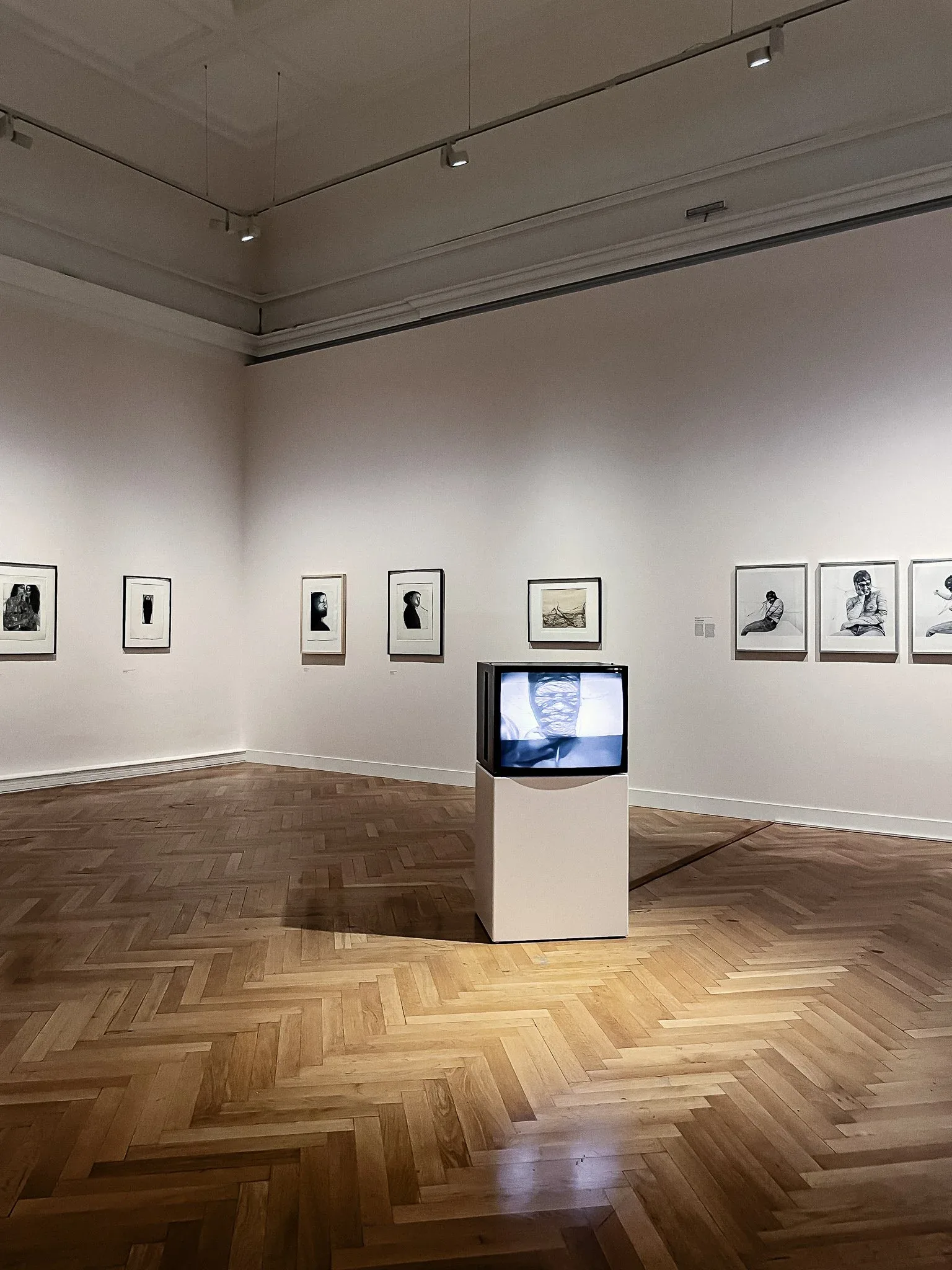
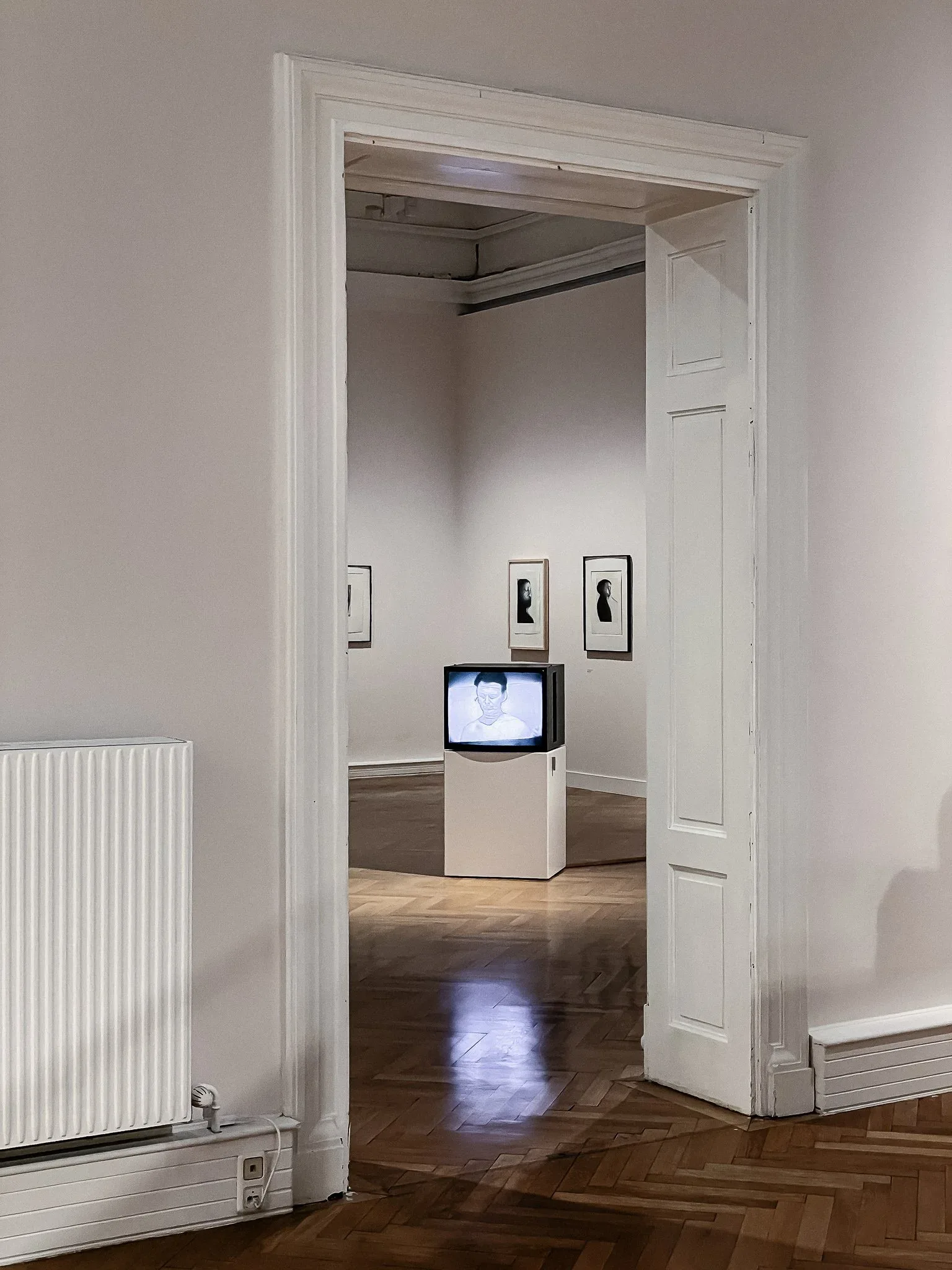
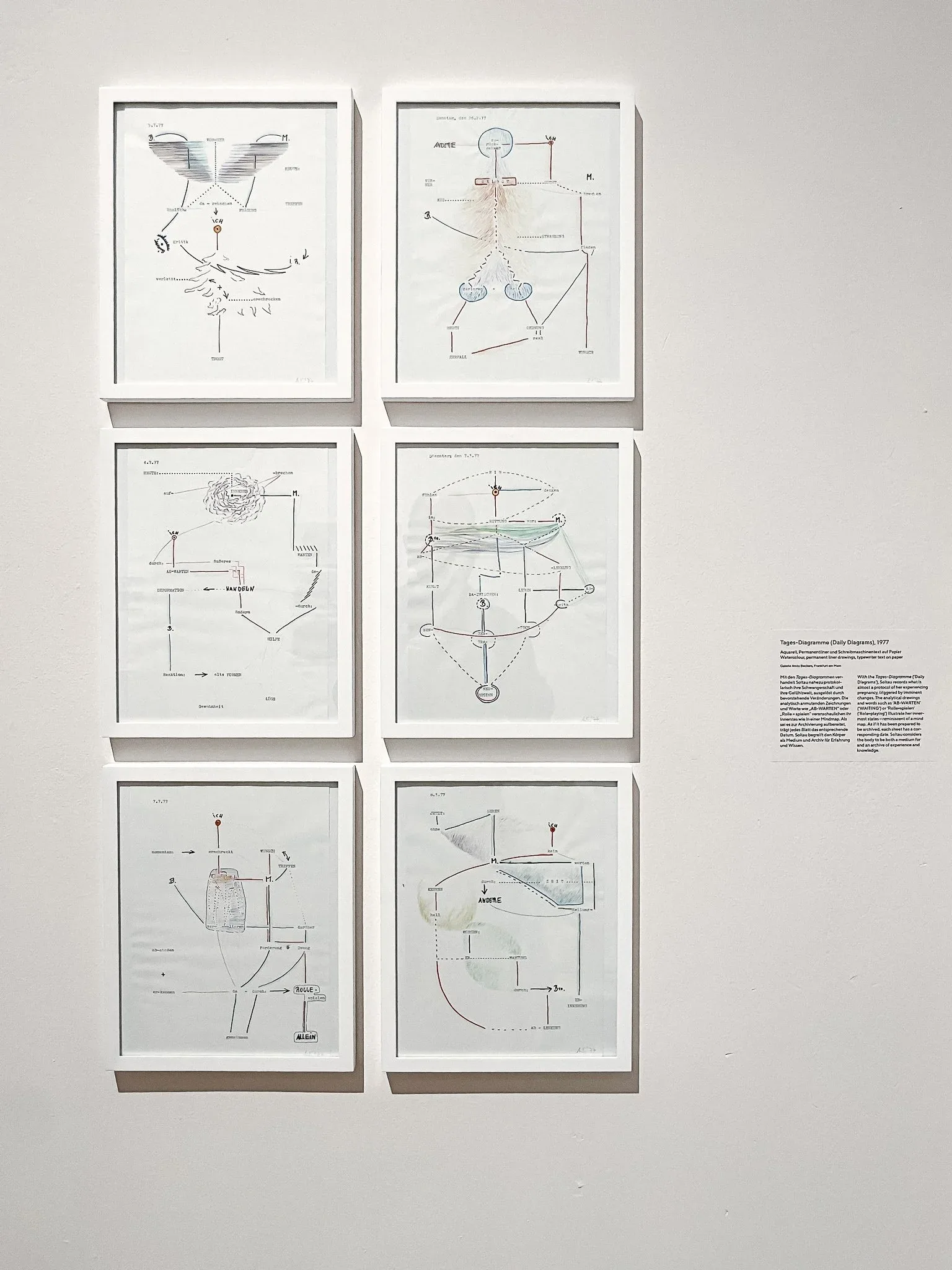
Running through June 28 at Francisco Carolinum, this exhibition - a collaboration between the Städel Museum in Frankfurt and Linz - marks Soltau’s 80th birthday (January 16, 2026). The timing is perfect: here’s an artist who refused to soften, sanitize, or self-censor her entire life, now being celebrated at the age when society expects women to become invisible. The show spans decades of work challenging social norms, body politics, and gender stereotypes. You’ll encounter her investigations into motherhood, pregnancy, birth, family, and aging - all rendered through meticulously stitched photographs where her body (and later, her family’s bodies) become the canvas for examining what it means to age, to be female, to exist in a body that society constantly judges and erases.
© Michael Seirer Photography
© Michael Seirer Photography
© Michael Seirer Photography
© Michael Seirer Photography
© Michael Seirer Photography
The “Generativ” Series
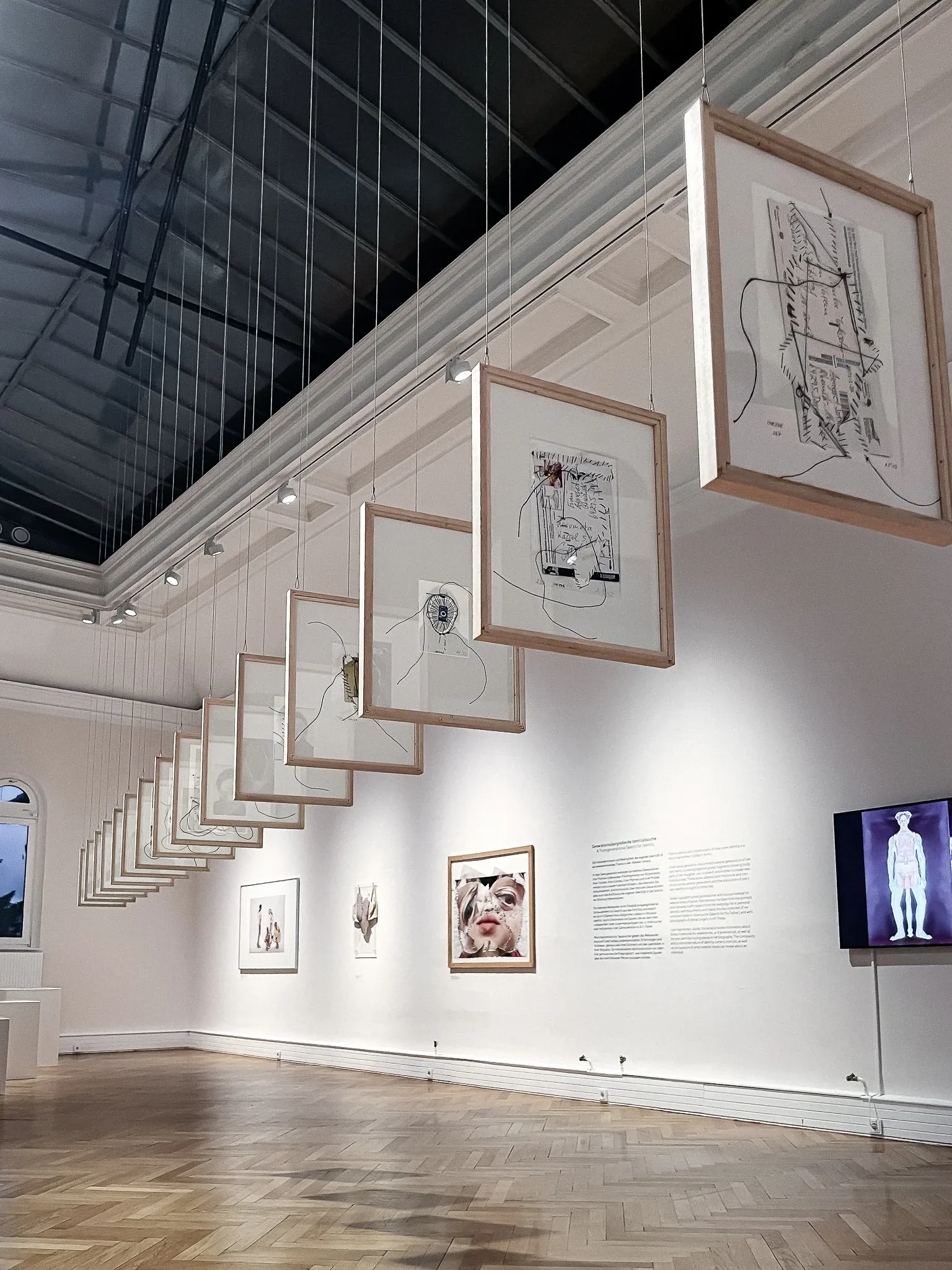
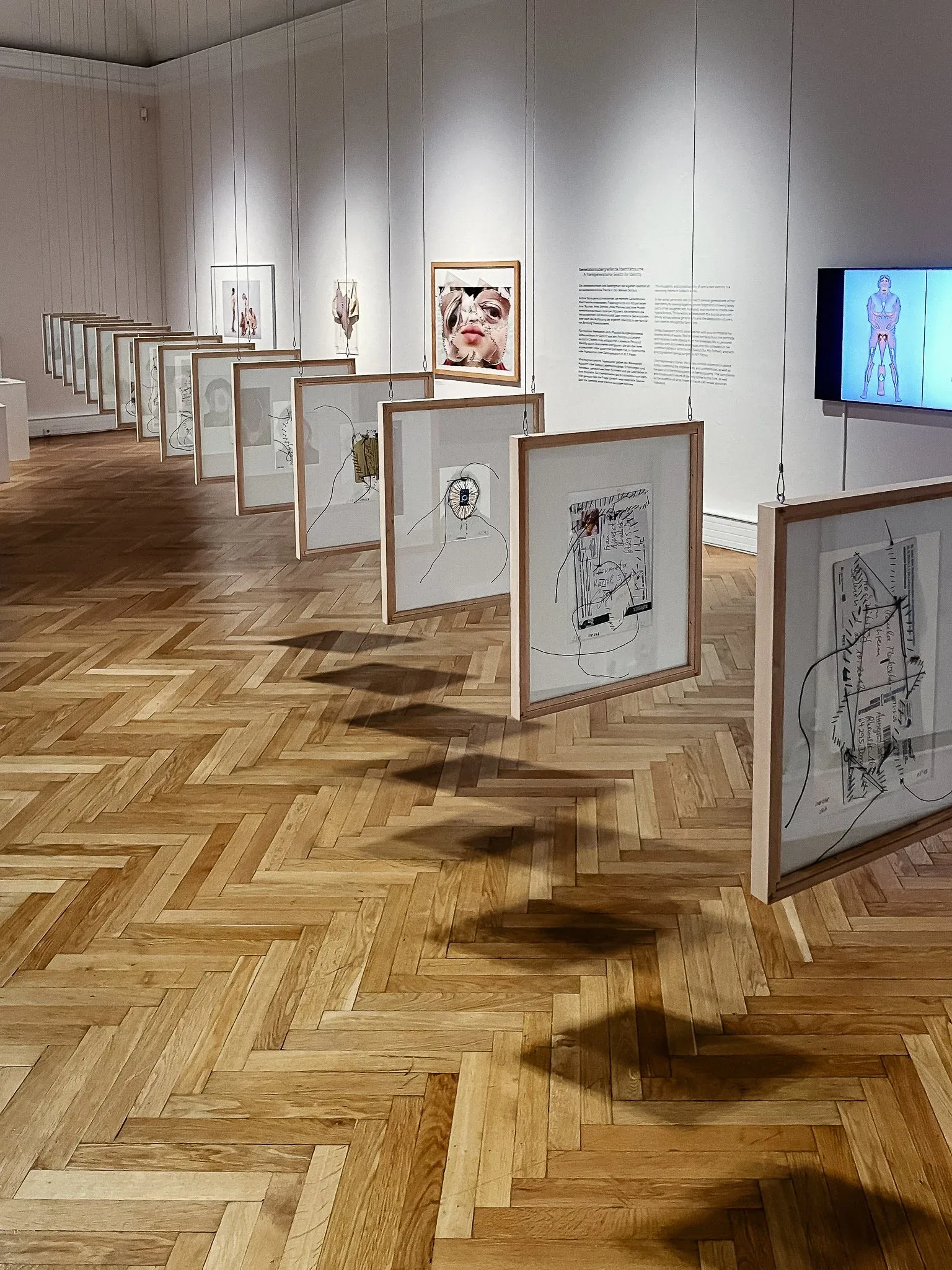
Here’s the surprising bit: her most ambitious work, “Generativ” (1994-2005), compares the naked bodies of four generations - her grandmother, mother, daughter, and herself. It’s a visual genealogy of female embodiment across the entire lifespan: from puberty’s emergence to age’s fading. Nothing staged, nothing prettified. Just bodies as they actually are. Museum collections worldwide now hold her work: Centre Pompidou, Deutsche Bank Collection, Scottish National Gallery of Modern Art.
The imperative of presence
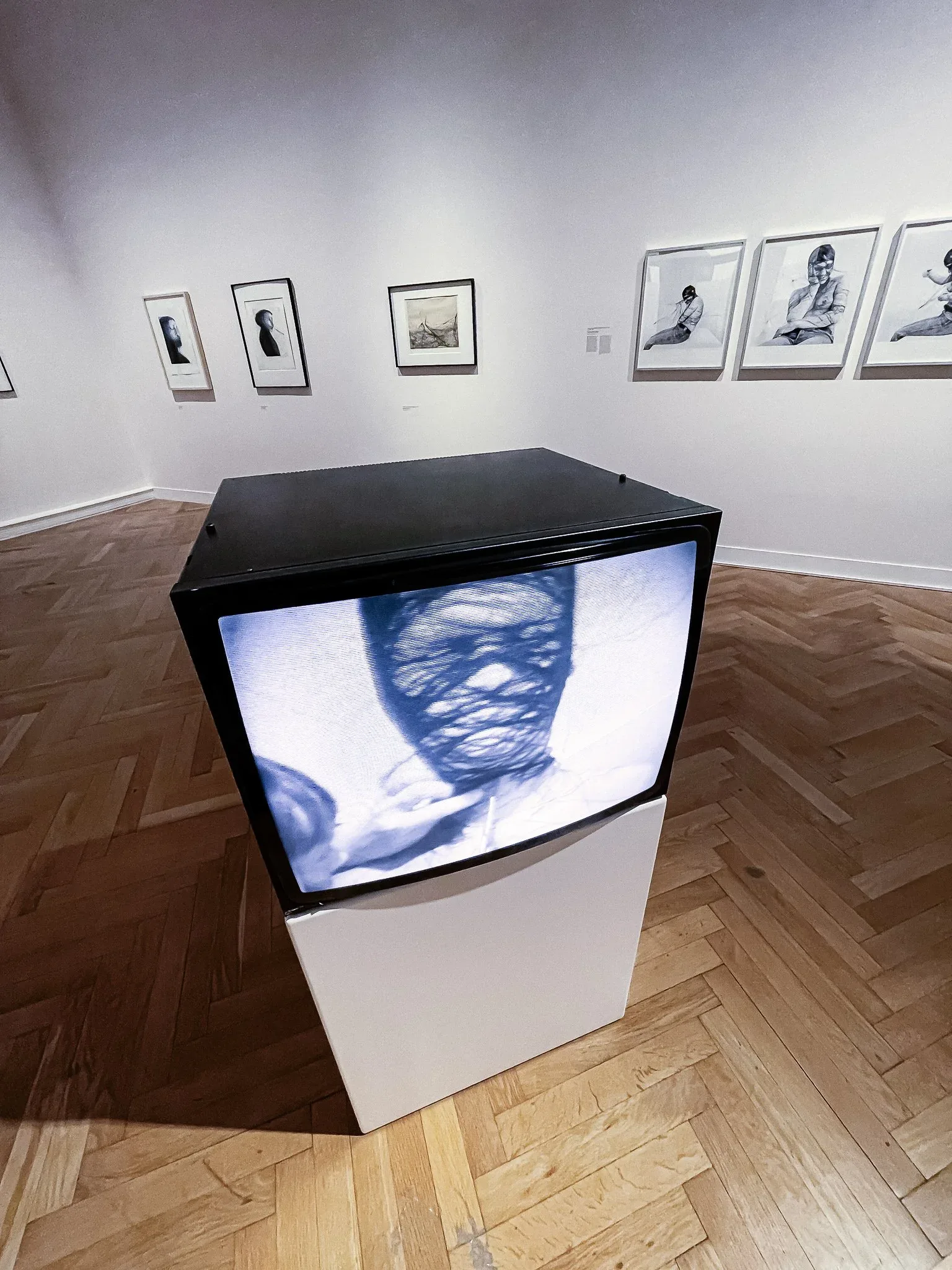
What no reproduction can convey is the three-dimensionality of Soltau’s art. These aren’t images you’ll experience through a digital still or a catalog page. The sewn threads that cross her body create actual topography - holes punched through skin, creating shadows and depth that shift as you move past the work. A photograph of a photograph, even a high-resolution scan, collapses this back into flatness. The stitching creates an object, not an image. It demands you approach it, circle it, analyze it from behind - the work literally reveals different narratives depending on where you stand. This physicality is fundamental: it cannot be digitized or reproduced. Which is precisely why standing in front of these works at Francisco Carolinum is essential.
© Michael Seirer Photography
© Michael Seirer Photography
© Michael Seirer Photography
© Michael Seirer Photography
Why This Matters Now (even more)
In 2026, as AI-generated images erase female complexity and social media filters make authenticity feel revolutionary, Soltau’s raw, stitched humanity is urgently needed. She proved decades ago that the female body - aging, changing and imperfect - deserves radical artistic attention.
To witness Soltau’s work is to refuse the comfort of turning away. Her practice isn’t provocation for provocation’s sake - it’s a deliberate act of insistence: look at this body, look at these processes society forbids, look at aging, look at motherhood, look at what we collectively pretend not to see.
© Michael Seirer Photography
© Michael Seirer Photography
Visitor Information
Exhibition: Annegret Soltau. Unzensiert. Eine Retrospektive
Location: Francisco Carolinum, Museumstraße 14, 4020 Linz, Austria
Dates: February 27 - June 28, 2026,
Website:ooekultur.at