
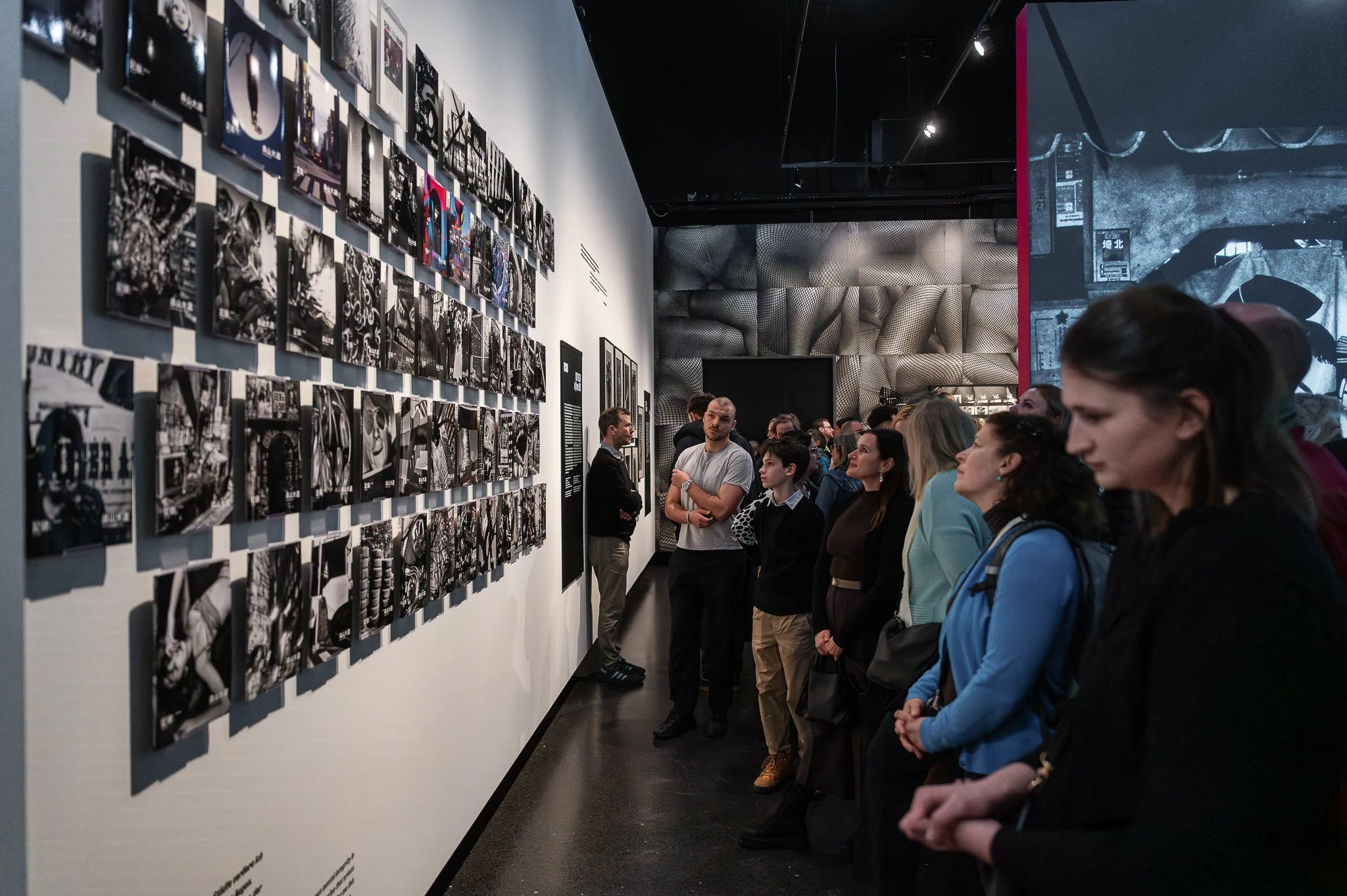
„An exhibition runs for three months. The photos of it might be around for thirty years.“
- Michael Seirer
When I’m documenting an exhibition opening, I’m not only thinking about the press release going out tomorrow. I’m thinking about the catalog that gets published next year, the anniversary retrospective in a decade, the art historian who will want to understand how this show actually looked and felt.
That long-term thinking changes what you photograph.
The “Photos-of-People-Holding-Wine-Glasses” Problem
The most frequent complaint I hear: “We have photos from the opening, but they don’t tell you anything about the exhibition.” This happens when a photographer documents what’s in front of them instead of what matters. People in front of pictures. The director giving a speech. Generic reception shots. That’s not documentation - that’s event photography applied to the wrong job.
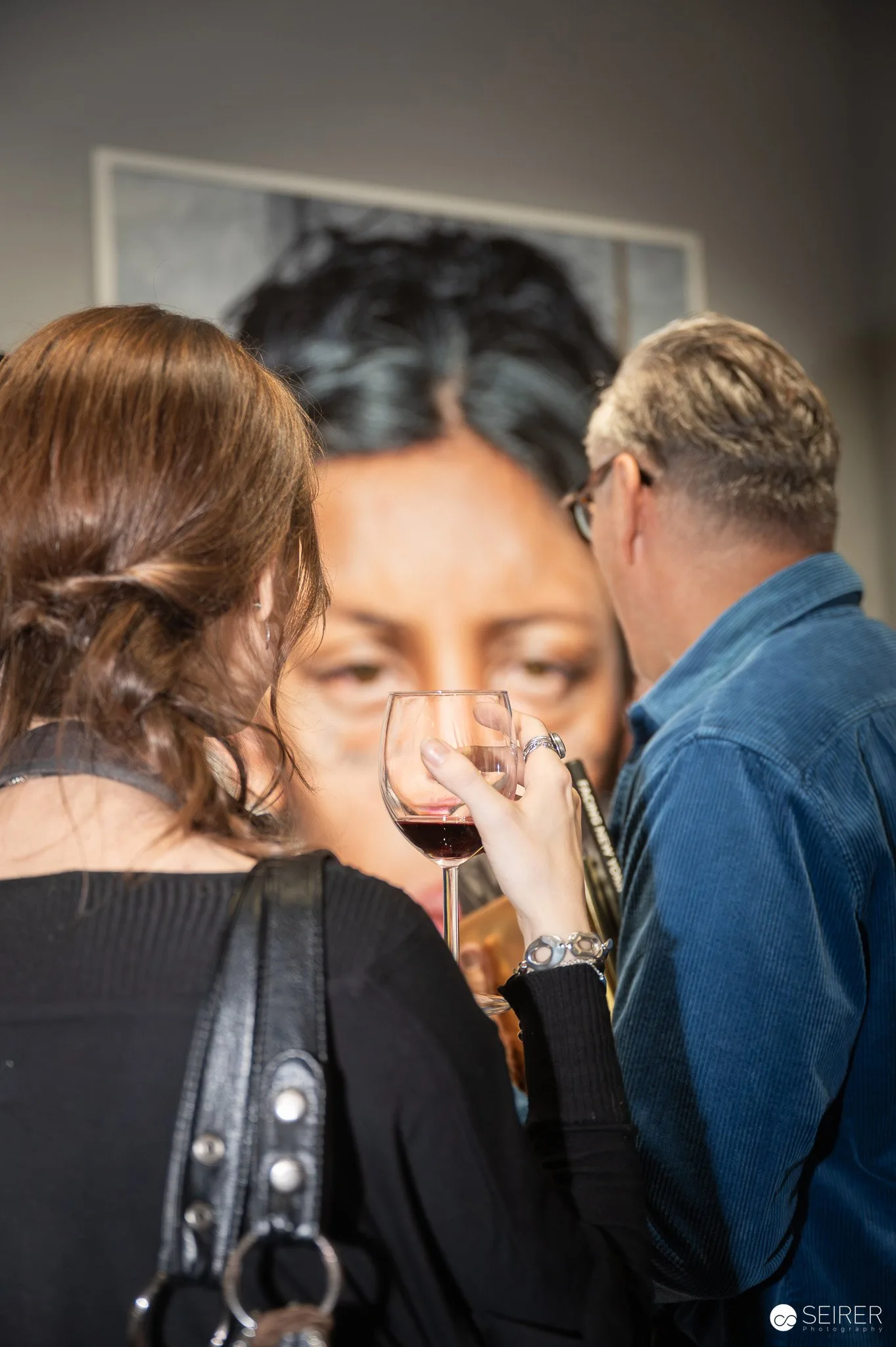
Ofc I can also do the wineglas-snap, but with a twist… ;)
What Exhibition Documentation Actually Does
It preserves the curatorial vision
At the Wien Museum reopening after its major renovation, the architectural decisions - the renovated Haerdtl staircase, the relationship between old and new, the open exhibition spaces - were as much part of the story as the objects on display. The photos had to make that readable.
At the Ernst Haas retrospective at Westlicht, the exhibition traced his evolution from postwar documentarian to abstract color artist. If you just photographed “pictures on walls,” you’d miss the whole point.
It captures how works exist in space
Individual artworks can be reproduced. But how they sit in a room, how they speak to each other across a gallery, how the light at a particular hour catches them - that exists only once. For the Caravaggio & Bernini exhibition at the KHM, the dramatic overhead lighting was an intentional curatorial choice. The documentation had to honor that choice, not override it with flash.
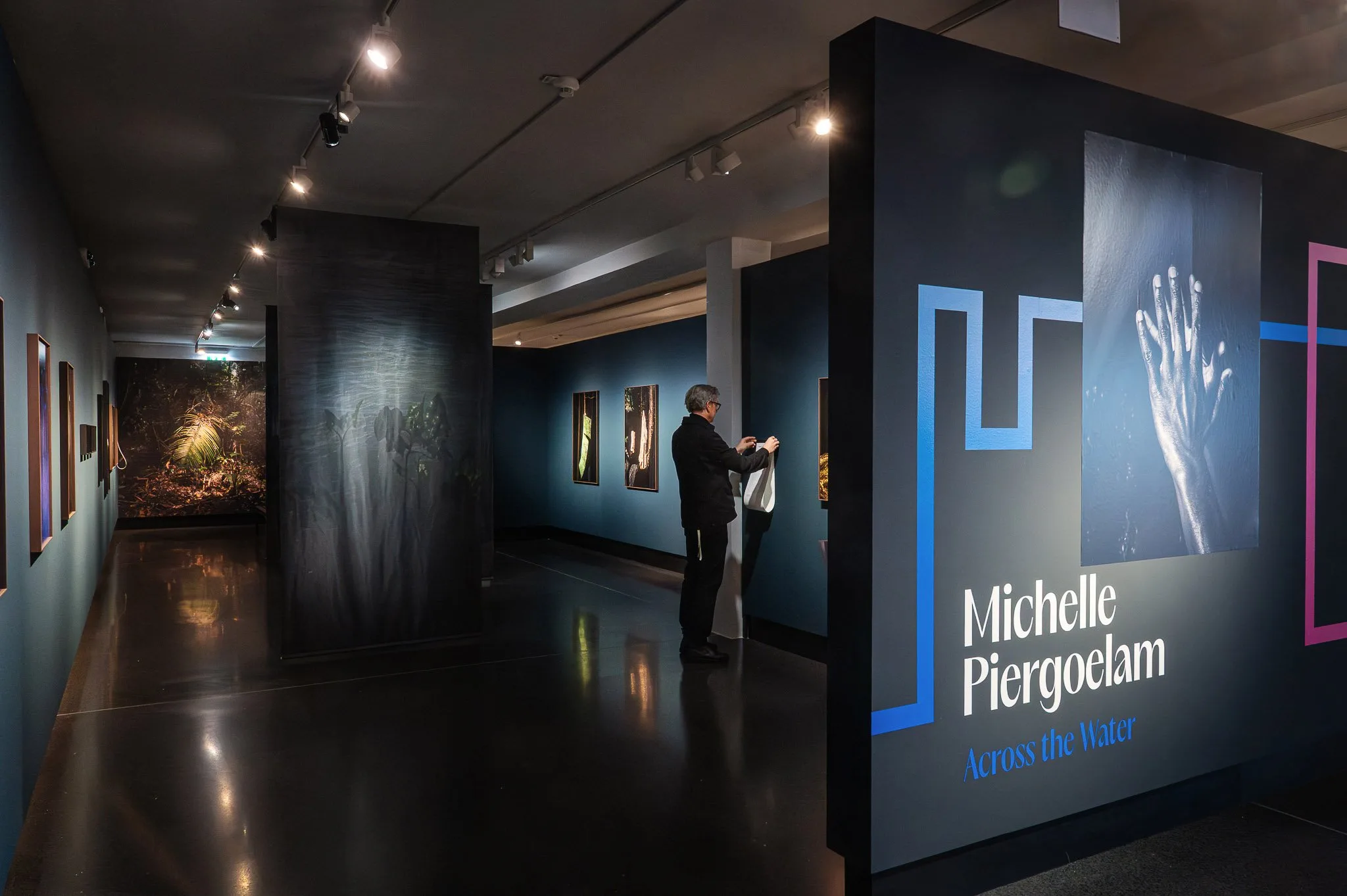
Last-Minute-Improvements at opening night of Michelle Piergoelam at FOTO ARSENAL WIEN done by Felix Hoffmann, artistic director
It captures the social moment
A vernissage is when art meets its audience for the first time. The conversations in front of works, the concentrated faces, the surprise and delight - that’s alive in the opening weeks and never quite the same again. Good documentation catches that aliveness.
… Exhibition Views included!
Here’s what most people don’t realize: exhibition views - the empty-room shots that show the hanging, the spatial relationships, the curatorial logic - are closer to architectural photography than to event photography. You’re composing around geometry, light, and sight lines. You’re thinking about perspective correction, about whether the camera is level to the millimeter, about reflections on glass and varnish.
But unlike pure architecture photography, you also need to read curatorial intent. Why is that Schiele hanging opposite that Klimt? Why did the curator leave that wall empty? At the Hirst exhibition at Albertina Modern, the room sequence is the argument. Miss that, and you’ve got technically clean shots of a space that could be any gallery anywhere.
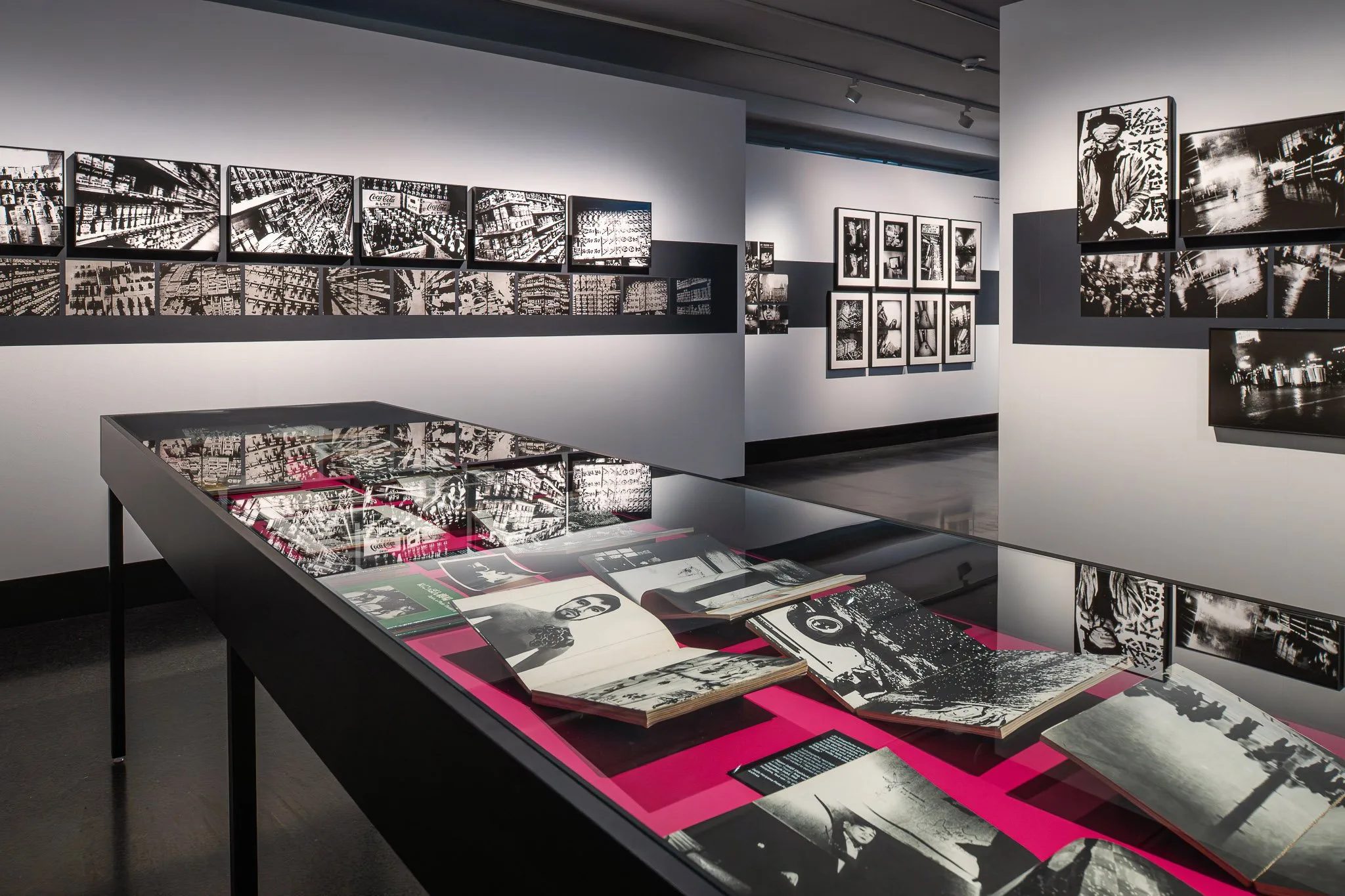
Exhibition view Daido Moriyama, FOTO ARSENAL WIEN
My clients also often to contract me shoot exhibition views as well - when the rooms are empty, the lighting is as the curator intended, and I can work with a tripod without being in anyone’s way. The event photos come later. They’re two different jobs that happen to occur on the same evening (e.g. between press conference in the morning and opening in the evening).
Where I’ve Worked
I’ve documented openings across Vienna’s major and specialized houses - Albertina, Kunsthistorisches Museum, Westlicht Photo Gallery, Foto Arsenal Wien, Wien Museum, and many more.
Each house has different expectations, different lighting, different institutional needs. The KHM wants documentation that honors its baroque grandeur. Foto Arsenal wants something that feels contemporary and alive. You read the institution, not just the event.
What You Get
- Immediately: Press-ready selections within a couple of hours, social media material the evening of the opening.
- Long-term: High-resolution archive images, documentation of the hanging for future reference, atmospheric shots that hold up in retrospectives.
- Always: Clarity on usage rights so you’re not guessing what you can publish where.
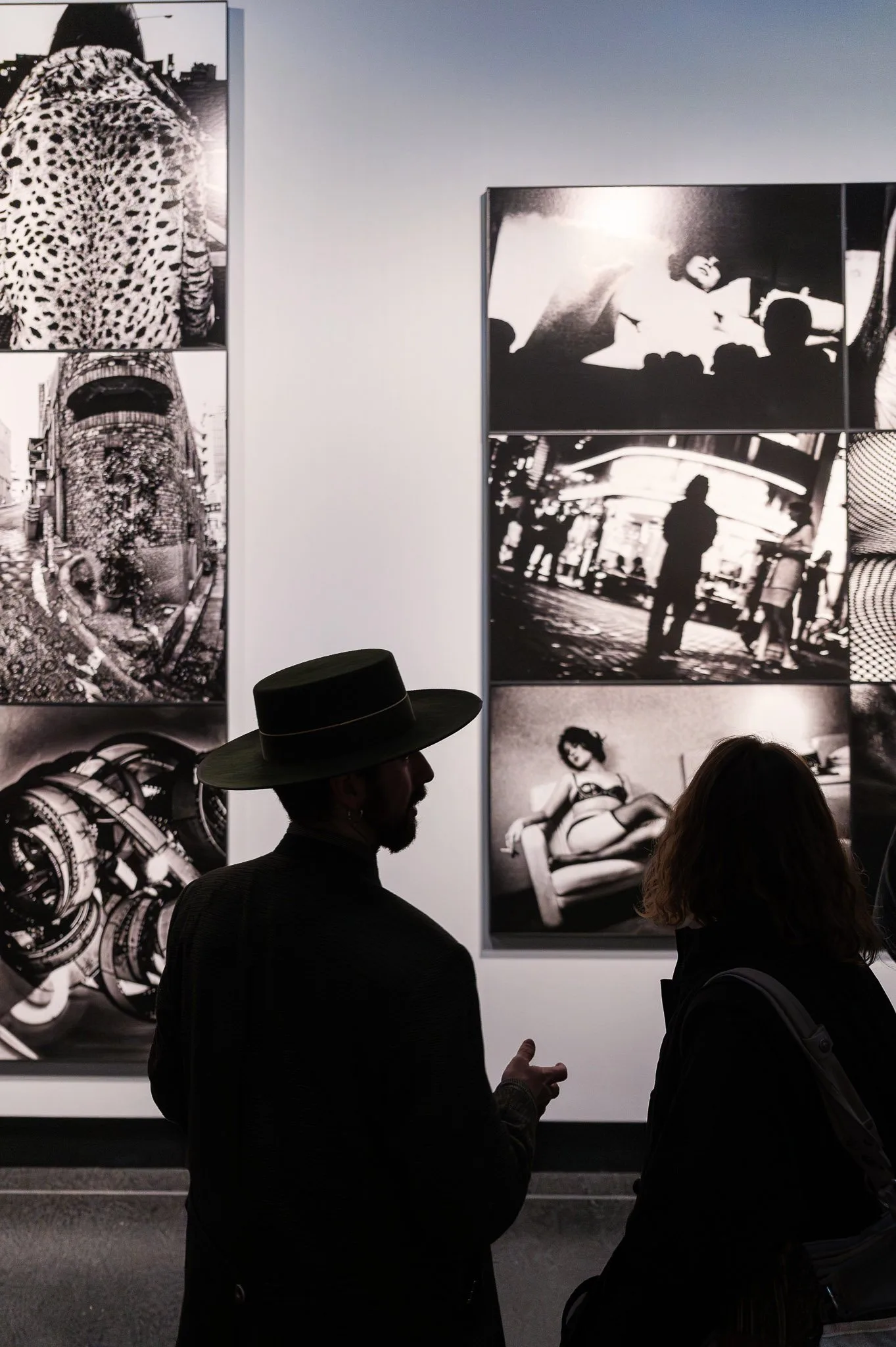
Visitors at FOTO ARSENAL WIEN
A Note on My Workflow
I have a strong IT background, which means I’ve automated the tedious but also important parts - proper EXIF data settings, backup, export, catalog management. The result is faster delivery without cutting corners on editing.
Planning an exhibition? Contact me!
Because good documentation starts with good planning, ideally before the hanging.
This is how my work looks like:
- Foto Arsenal Wien Grand Opening (covering all exhibition since the beginning for FOTO ARSENAL WIEN)
- Wien Museum Preopening
- Westlicht World Press Photo Opening (doing the WPP for many years for Westlicht)
- Valie Export Atelier visit
- Albertina Joel Sternfeld Exhibition
- Pratermuseum Opening
- Vernissage Seventeen Sisters Fine Art Galerie
- Opening Caravaggio and Bernini im Kunsthistorischen Museum Wien
- Araki Exhibition at Ostlicht