
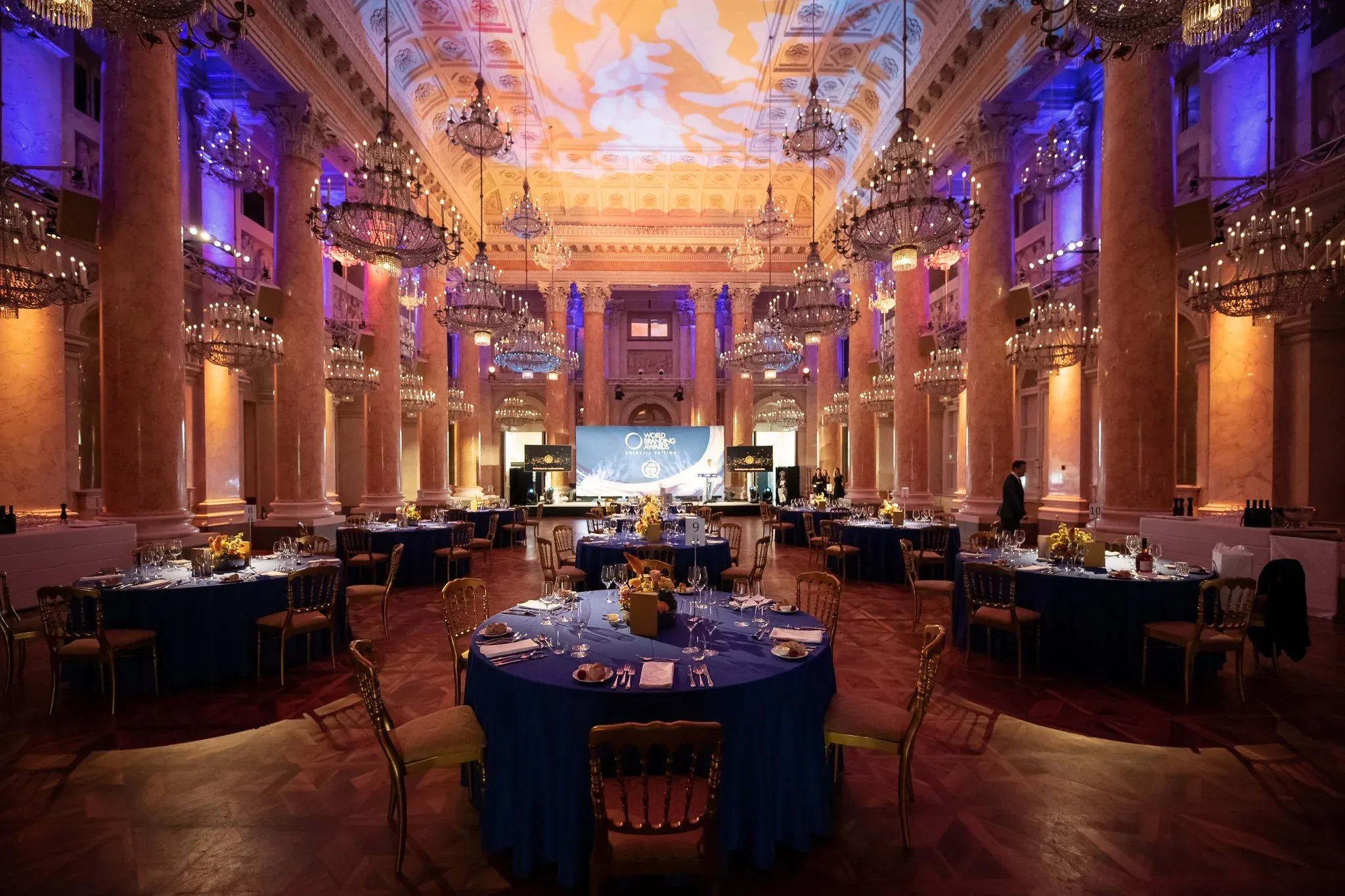
You didn’t hire a photographer - your marketing person has an iPhone and an Instagram account, how hard can it be? Fast forward six hours: they’ve missed every networking moment, your keynote speaker looks like a hostage under fluorescent lighting, and then there’s a Google Drive folder with 400 photos nobody will ever open. Those free photos just cost you a full day of your marketing person’s real job, a year’s worth of unusable event assets, and every speaker’s willingness to come back. Welcome to the most expensive budget line you never wrote down. Let me walk you through ten ways those free photos end up costing you everything.
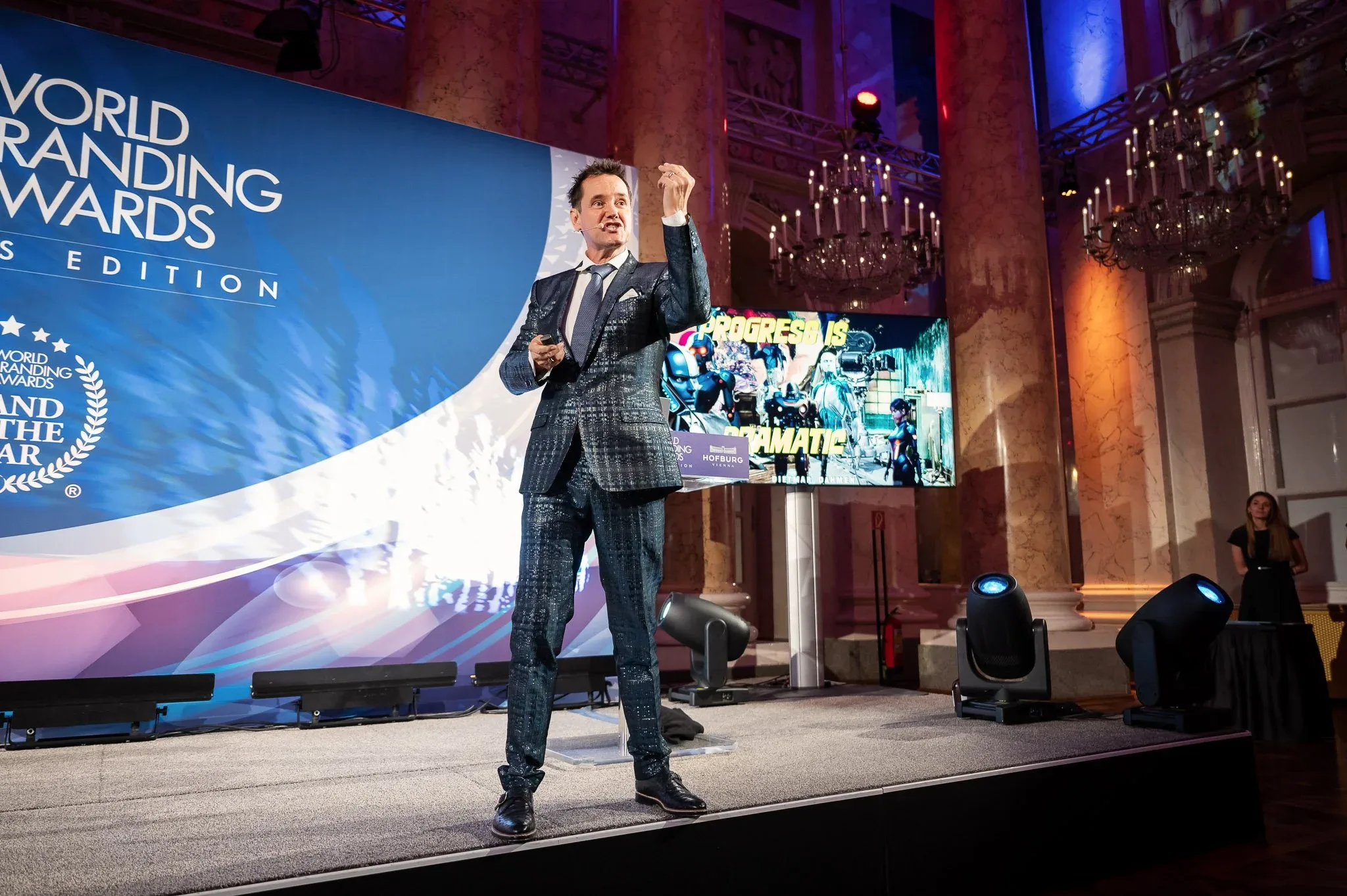
Engaging Keynotes help selling the event - World Branding Forum 2023
Your speakers and sponsors will never come back if they look bad.
Conference speakers Google themselves after events. If the only photos show them mid-blink at a podium with harsh overhead lighting, they associate your event with looking unprofessional. They won’t say yes next year. And the sponsors who paid €10K for a booth? If their CEO’s keynote photos look like surveillance footage, good luck renewing that contract.
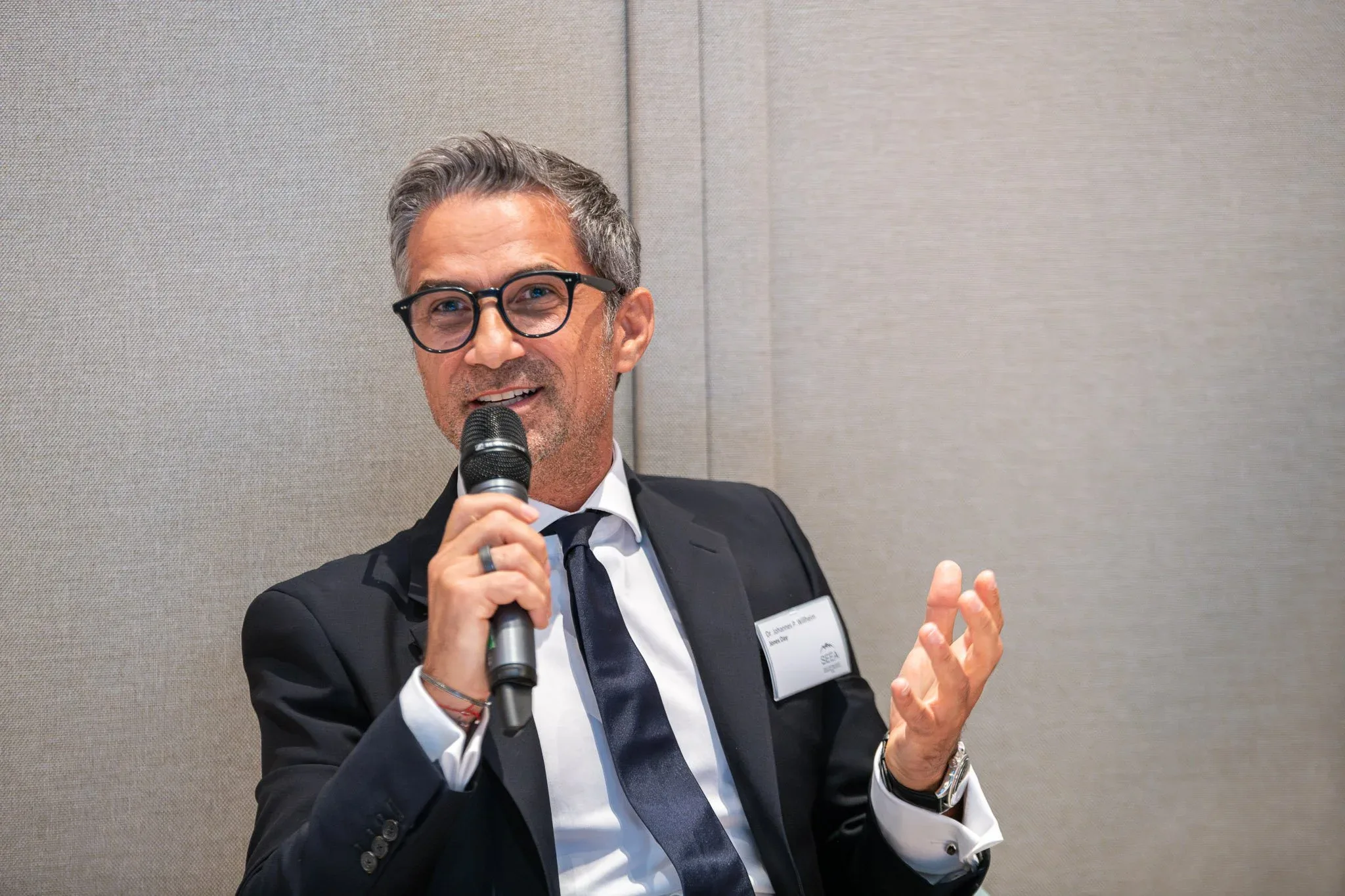
You’re burning your marketing person’s actual job.
While your marketing person is fumbling with camera angles, they’re not doing what you’re paying them for - live social posts, managing the hashtag, talking to attendees, capturing testimonials, coordinating with speakers. You’re not saving money, you’re paying a €60K/year salary for someone to do a €2K job badly while their €60K job doesn’t get done at all.
The photos are the only proof the event happened.
Three months later, nobody remembers the catering or the AV setup (unless it was pretty bad…) What remains are the photos. They’re the assets you use to sell next year’s tickets, justify the budget to leadership, and prove to sponsors their logo was visible. If those photos are mediocre, your event retroactively becomes mediocre in everyone’s memory - including your boss’s.
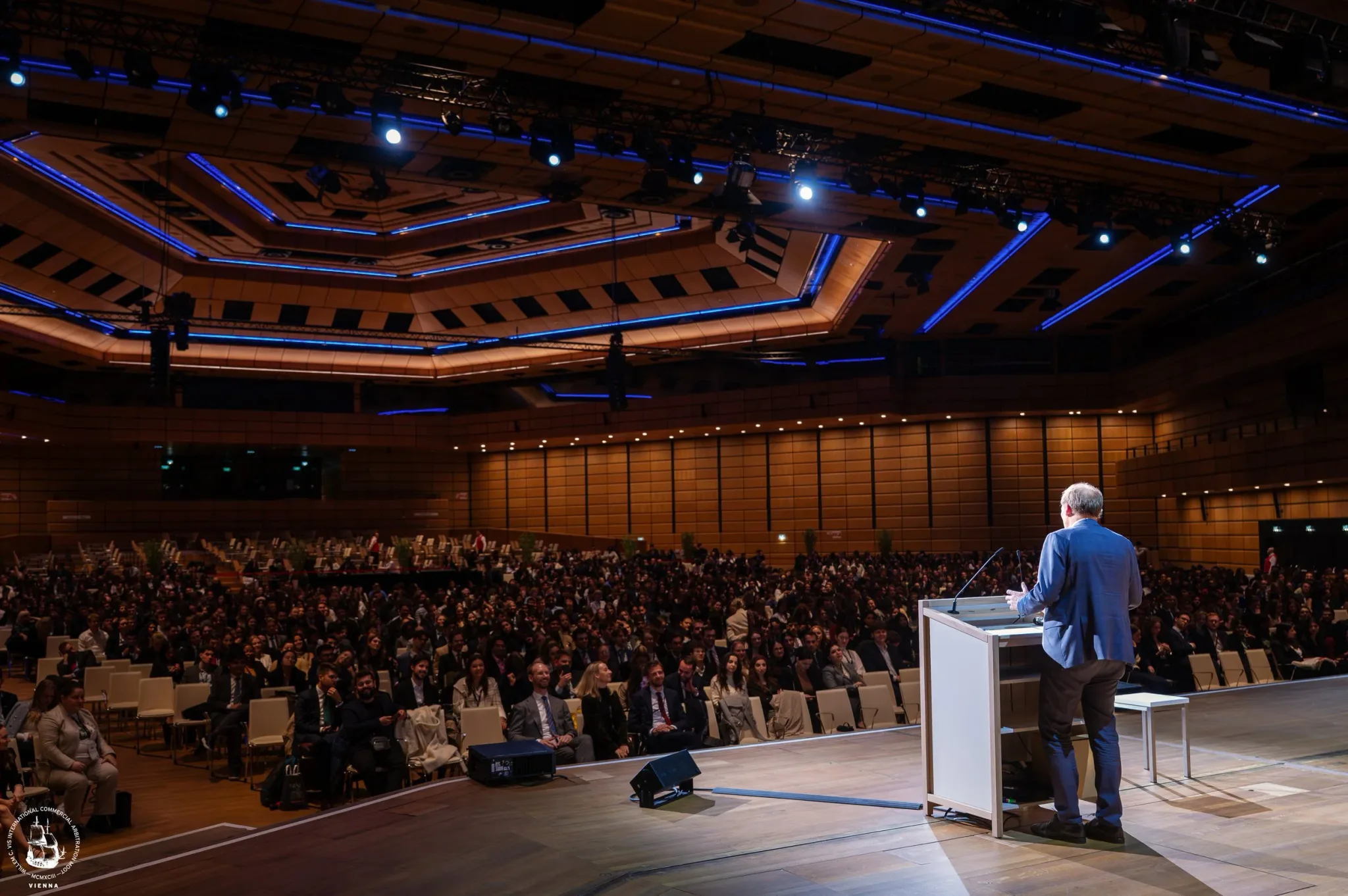
Vis Moot conference 2025
iPhone photos in a conference hall are physically fighting the laws of optics.
It’s not about “quality.” A phone sensor is tiny. Conference halls have mixed lighting - warm stage spots, cold fluorescents, LED screens. The phone’s processor guesses wrong constantly, producing orange skin tones, motion blur on gestures, and blown-out presentation screens. A photographer with proper glass and lighting knowledge solves physics problems your marketing person doesn’t even know exist.
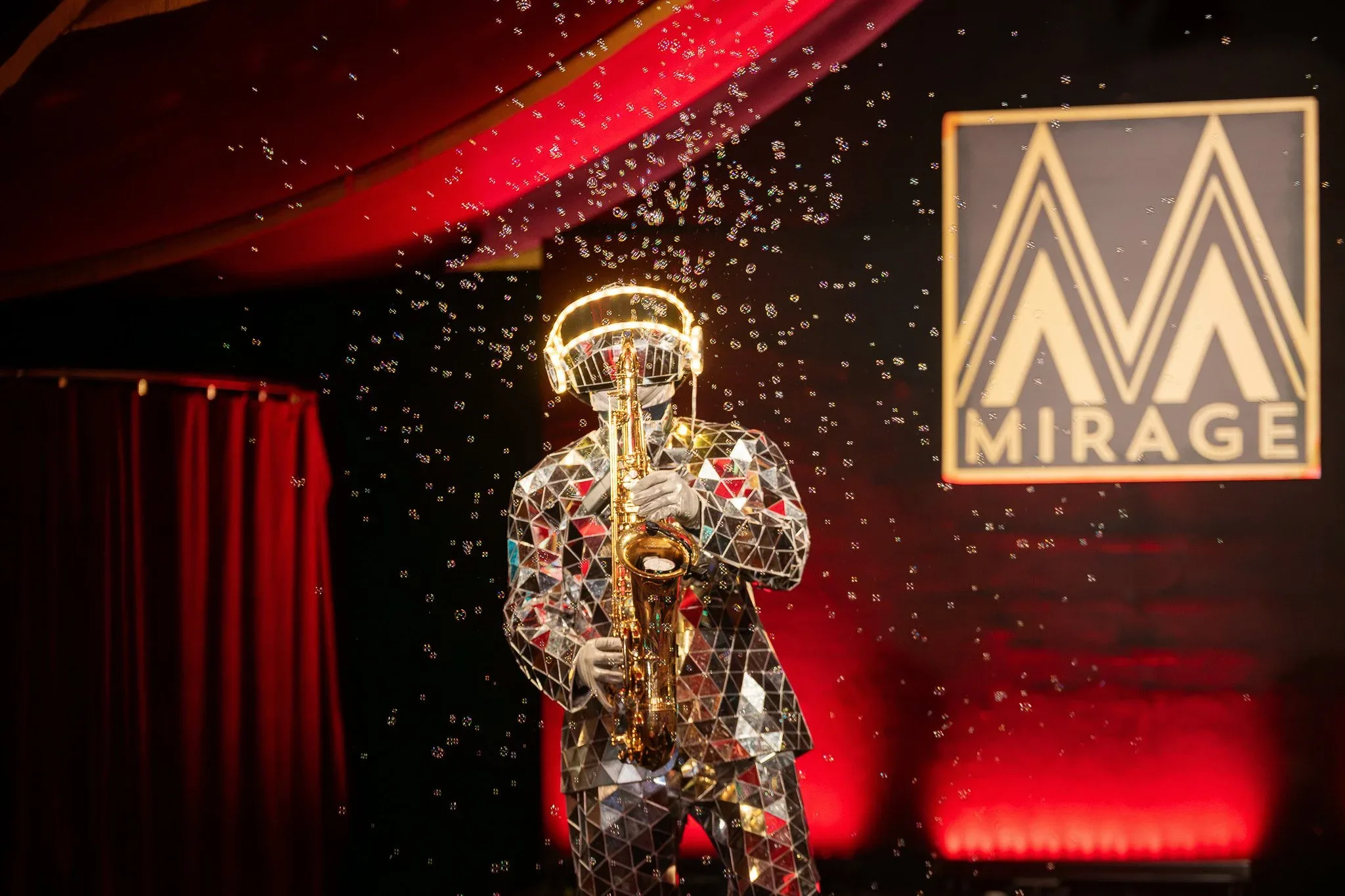
Showpart of a Christmas Party
You’ll never get the candid networking shots that sell tickets.
The photos that make people say “I need to be at that event” aren’t the stage shots - they’re the ones showing real people laughing, shaking hands, leaning into conversations. Capturing those requires being invisible, anticipating moments, or shooting from across a room with a long lens. An iPhone means walking up to people and disrupting the exact moment you’re trying to capture.
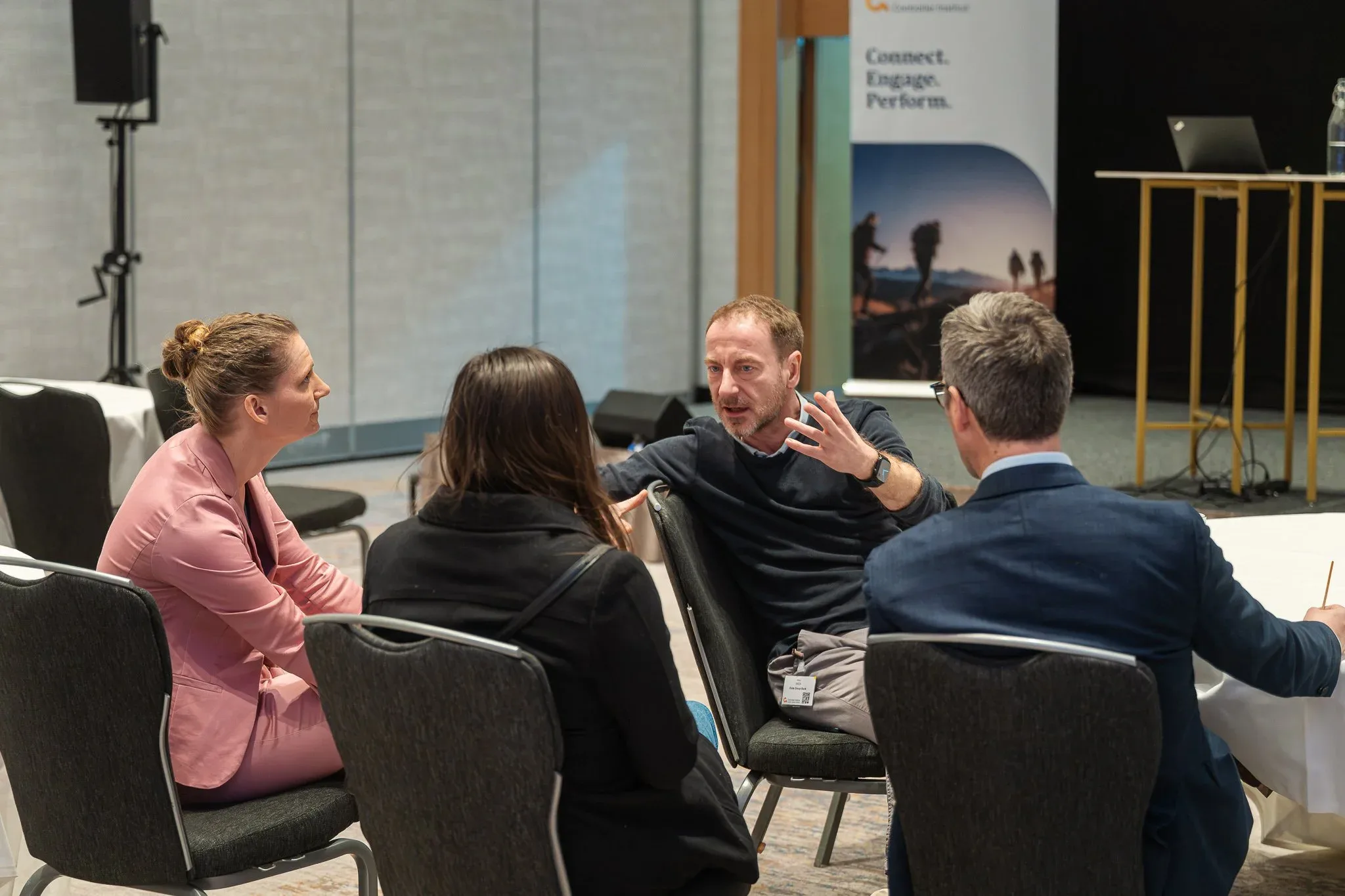
Conference conversations spark meaningful relationships.
Your competitors’ events look better than yours, and attendees notice.
People compare. If your competitor’s LinkedIn recap has crisp, atmospheric shots with beautiful depth of field, and yours has flat, noisy phone snapshots - attendees subconsciously rank your event lower. You didn’t save money, you spent the same budget on the event and just made it look cheaper than it was.
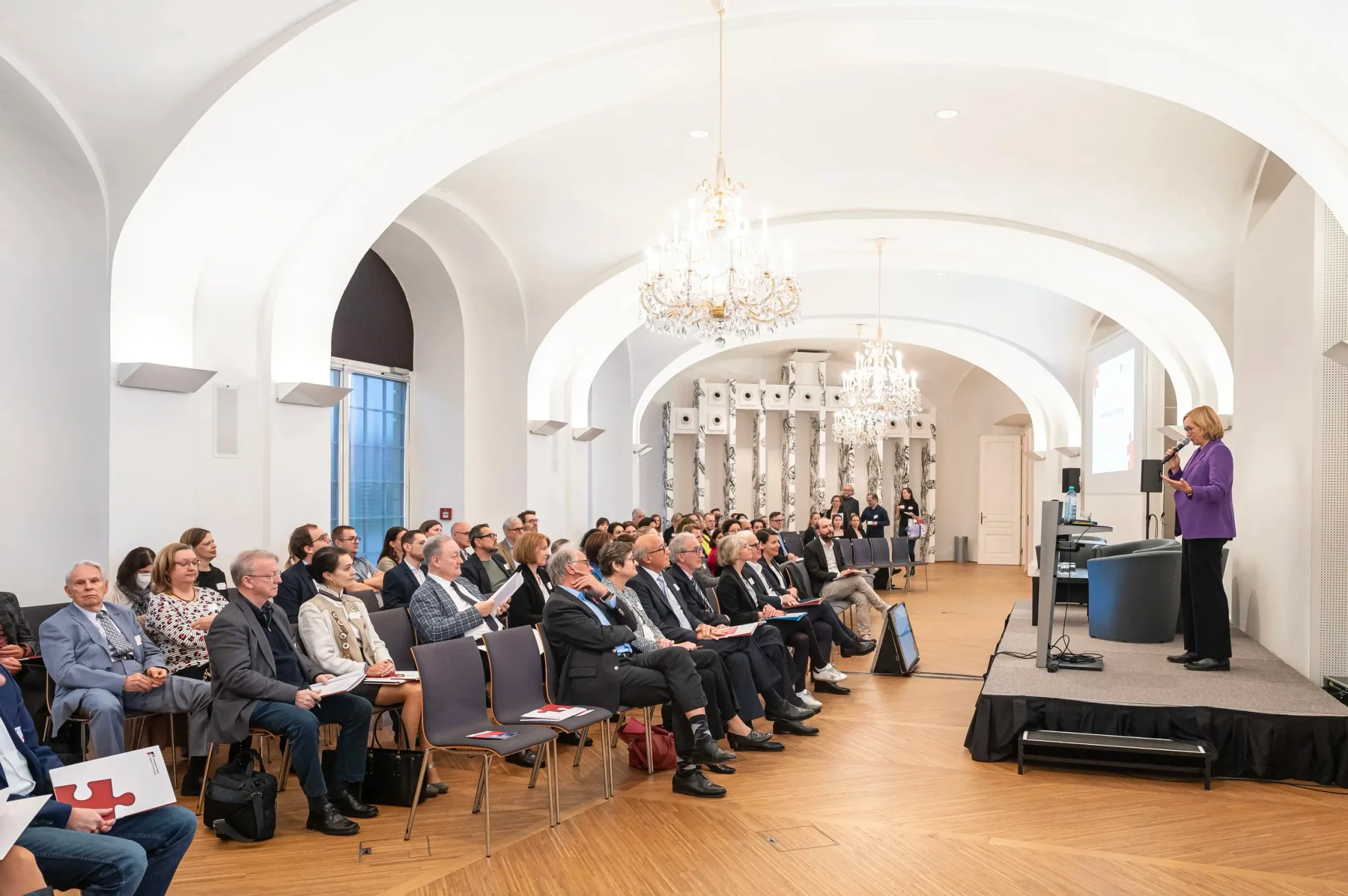
ÖGK 2024
Every stakeholder needs different photos, and a pro delivers all of them.
Our sales team needs photos of happy customers for case studies. HR wants employer branding shots. The CEO wants a hero image for the annual report. Sponsors want proof of foot traffic at their booth to post on LinkedIn. The social team wants vertical stories. A professional shooter delivers organized, tagged, multi-format assets for all of these. Your marketing person delivers 400 identical-looking photos in a camera roll.
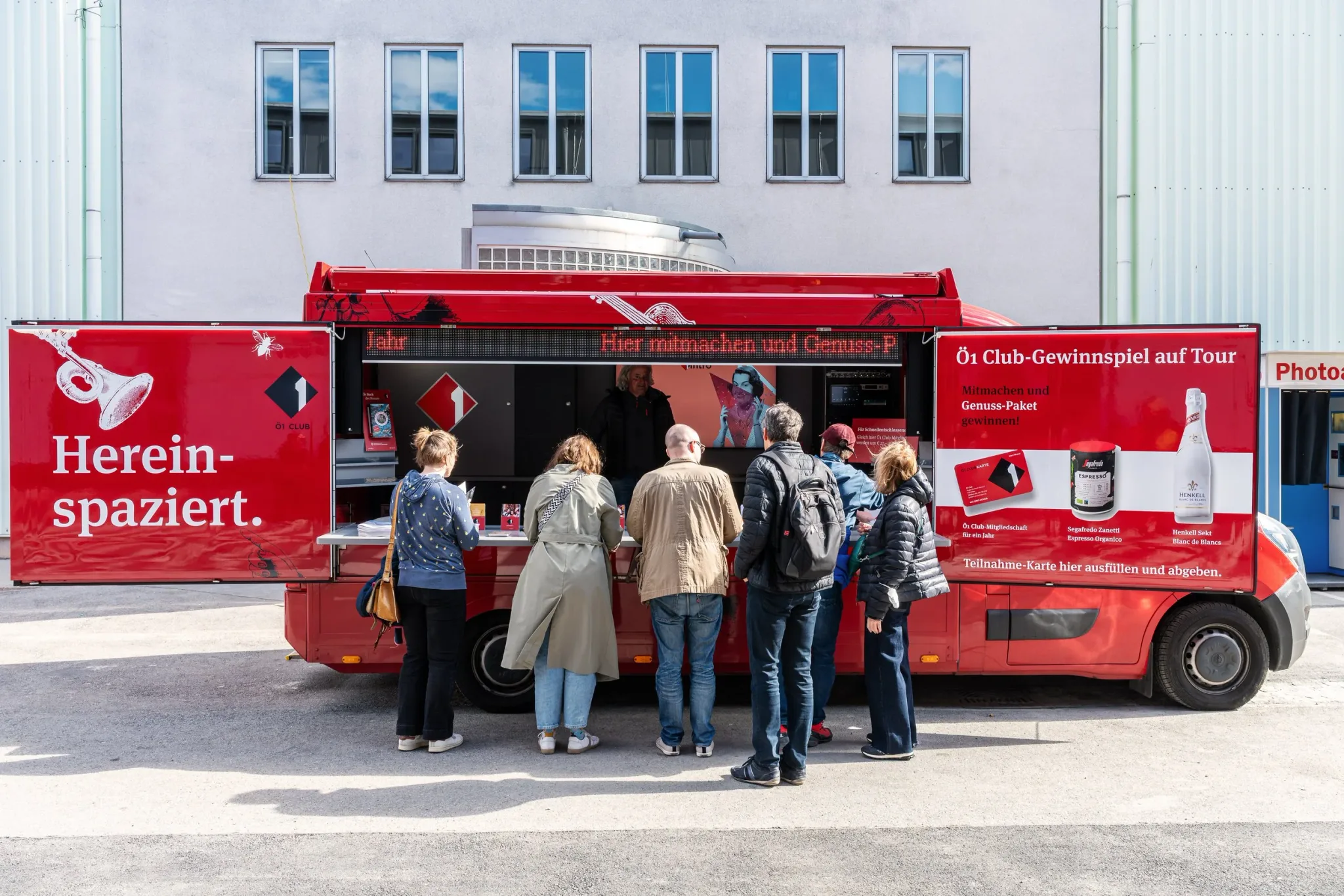
Ö1 Sponsorwagen beim FOTO ARSENAL, 2025
Post-processing is where the real work happens
Taking the photo is maybe 30% of the job. Color-correcting for mixed lighting, cropping for different platforms, culling 2,000 shots down to 200 awesome ones, retouching the CEO’s presentation screen so it’s actually readable - that’s 8-12 hours of skilled editing. Your marketing person will dump 400 unedited photos into a Google Drive and never touch them again. Six months later, nobody’s used any of them.
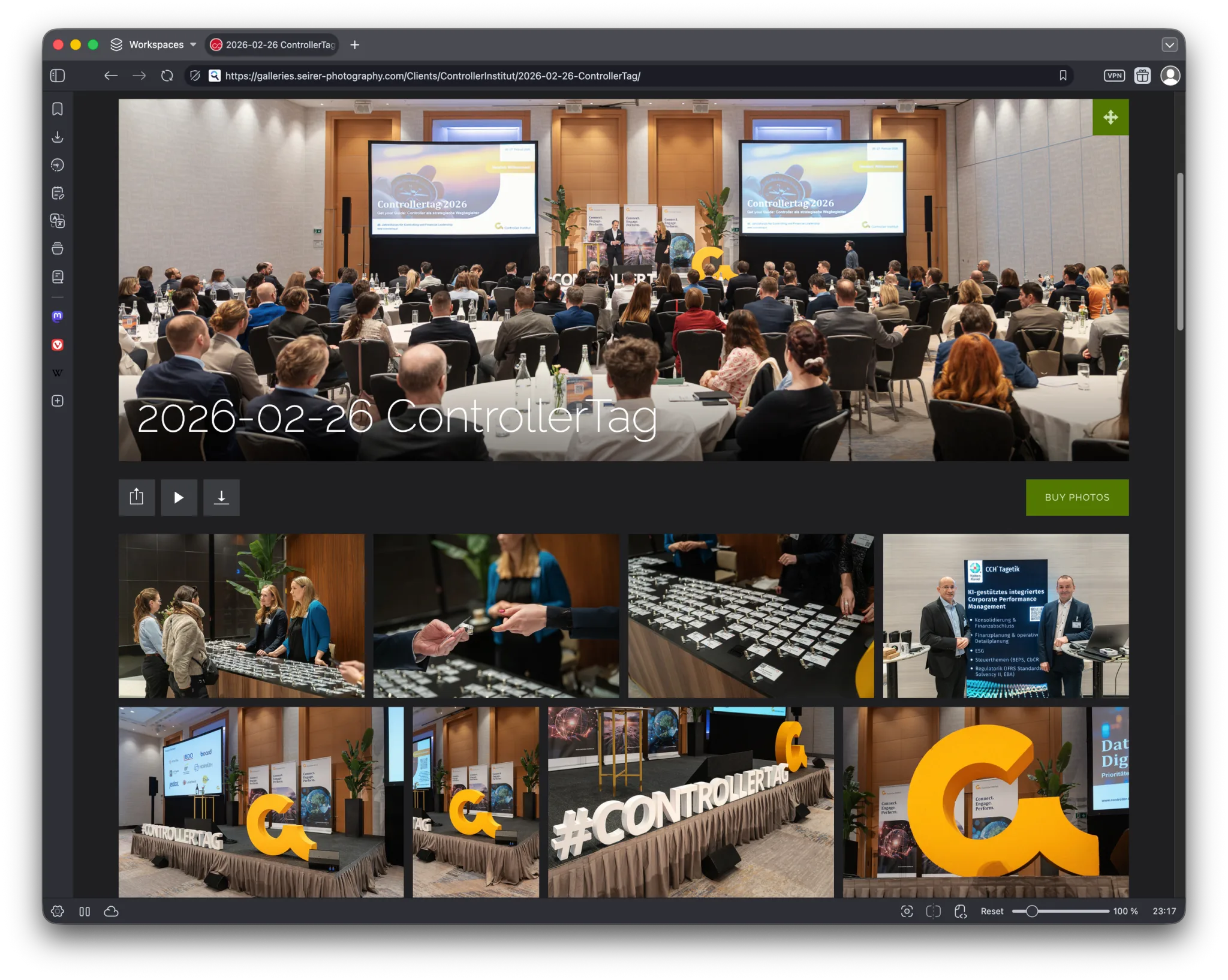
My Gallery-Website is fully optimized for clients
You’re creating legal and brand risk without realizing it.
A professional knows to get model releases, avoid capturing confidential slides, frame out competitors’ logos, and not photograph restricted areas. They also know your brand’s visual language - consistent angles, compositions, and color tones that match your website and materials. Your marketing person probably doesn’t think about any of this until legal calls.
The cost of a photographer disappears - the cost of bad photos compounds.
The €1,500 you “saved” by not hiring a photographer gets spent anyway: on your marketing person’s wasted hours, on the graphic designer trying to salvage unusable images, on the sales team that can’t close because there’s no visual proof of your event’s quality. Meanwhile, one great photo set keeps generating value for 12+ months across social, sales decks, the website, and next year’s sponsorship pitch. Bad photos just sit in a folder generating regret.
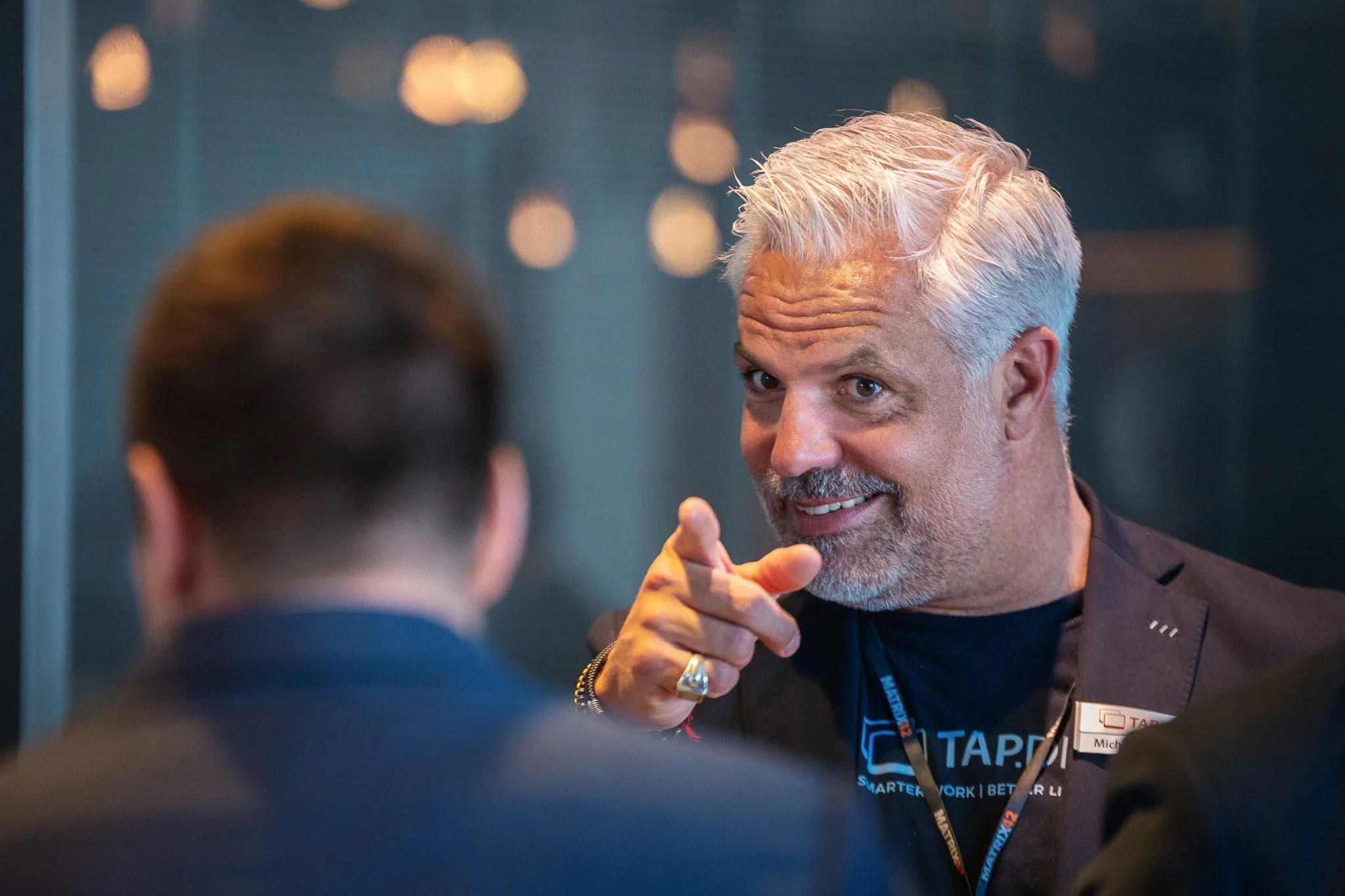
Every event ends. The lights go off, the booths come down, the name tags end up in the bin. What stays are the photos - and they’ll either sell next year’s tickets or explain why nobody bought them. If your next event deserves better than a Google Drive graveyard, let’s talk.
Get in touch for a free consultation
Learn how I help make your events a success - explore the Guides in the FAQ section.