
When Kunsthalle Wien put on Lebt und arbeitet in Wien - their biggest survey of contemporary Viennese art in over ten years, 130-plus works by 56 artists split across the MuseumsQuartier and Karlsplatz - the photography brief came with a few challenges baked in. This is the story of how I solved them.
About Knowing what I was even Looking at.
Fifty-six artists is a lot of people and a lot of work to keep straight, and in a show this size, some pieces don’t announce themselves. They look like an everyday object sitting in a corner until you realise that’s the artwork and part of the exhibition. Show up cold and you’ll waste half your time figuring out what’s what - or worse, you’ll shoot the wrong thing well and the right thing not at all.
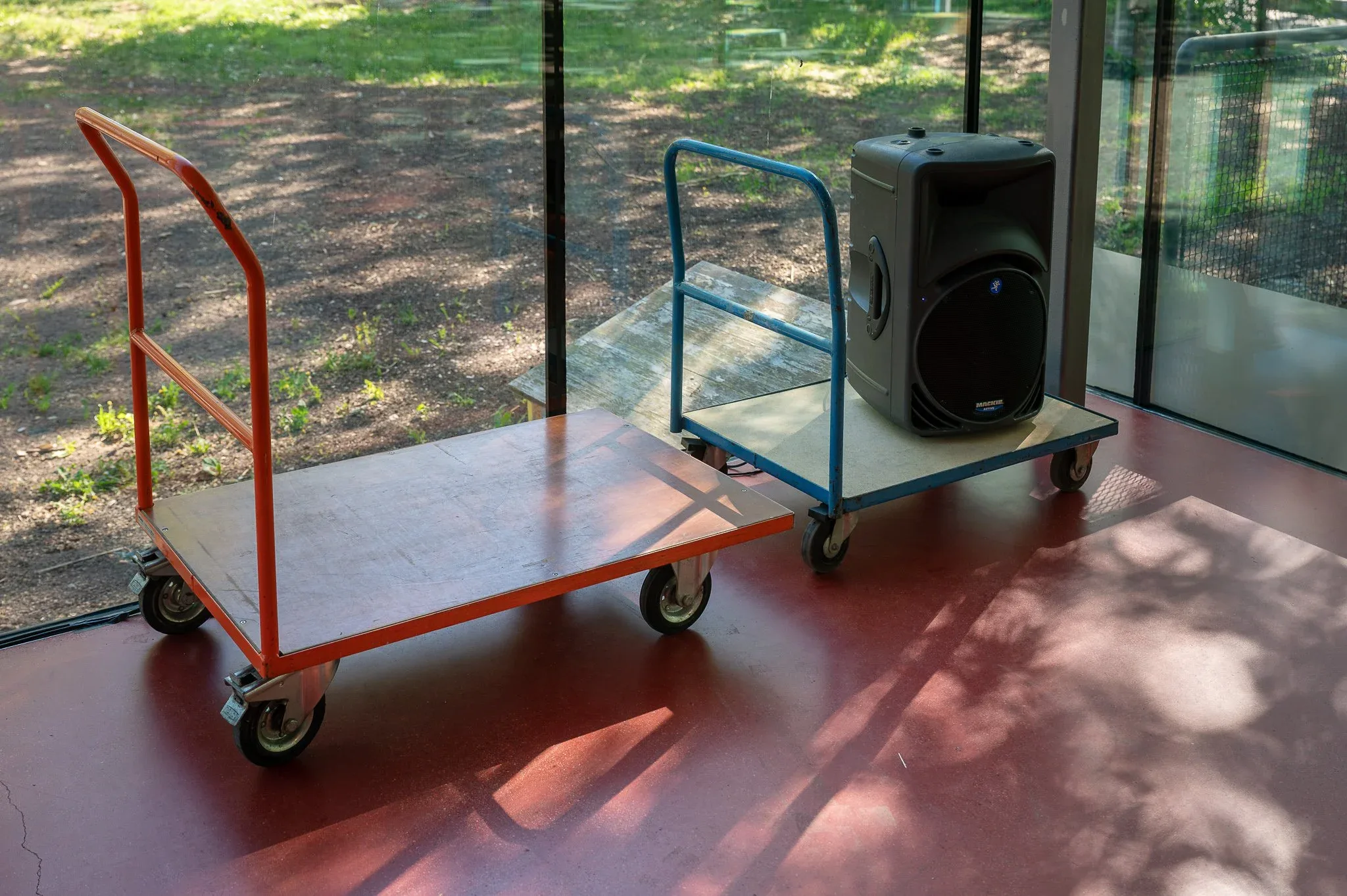
© Michael Seirer Photography
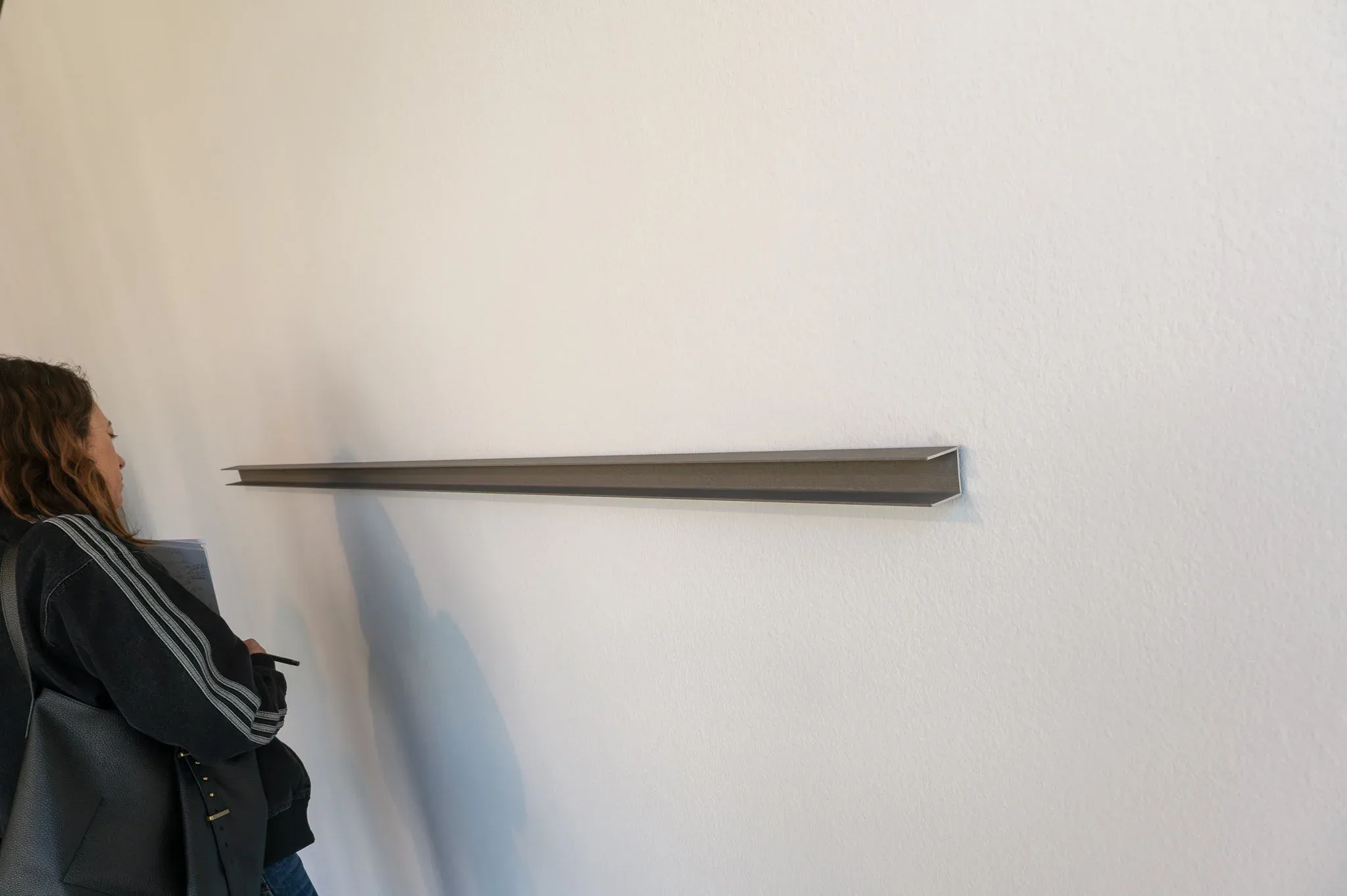
© Michael Seirer Photography
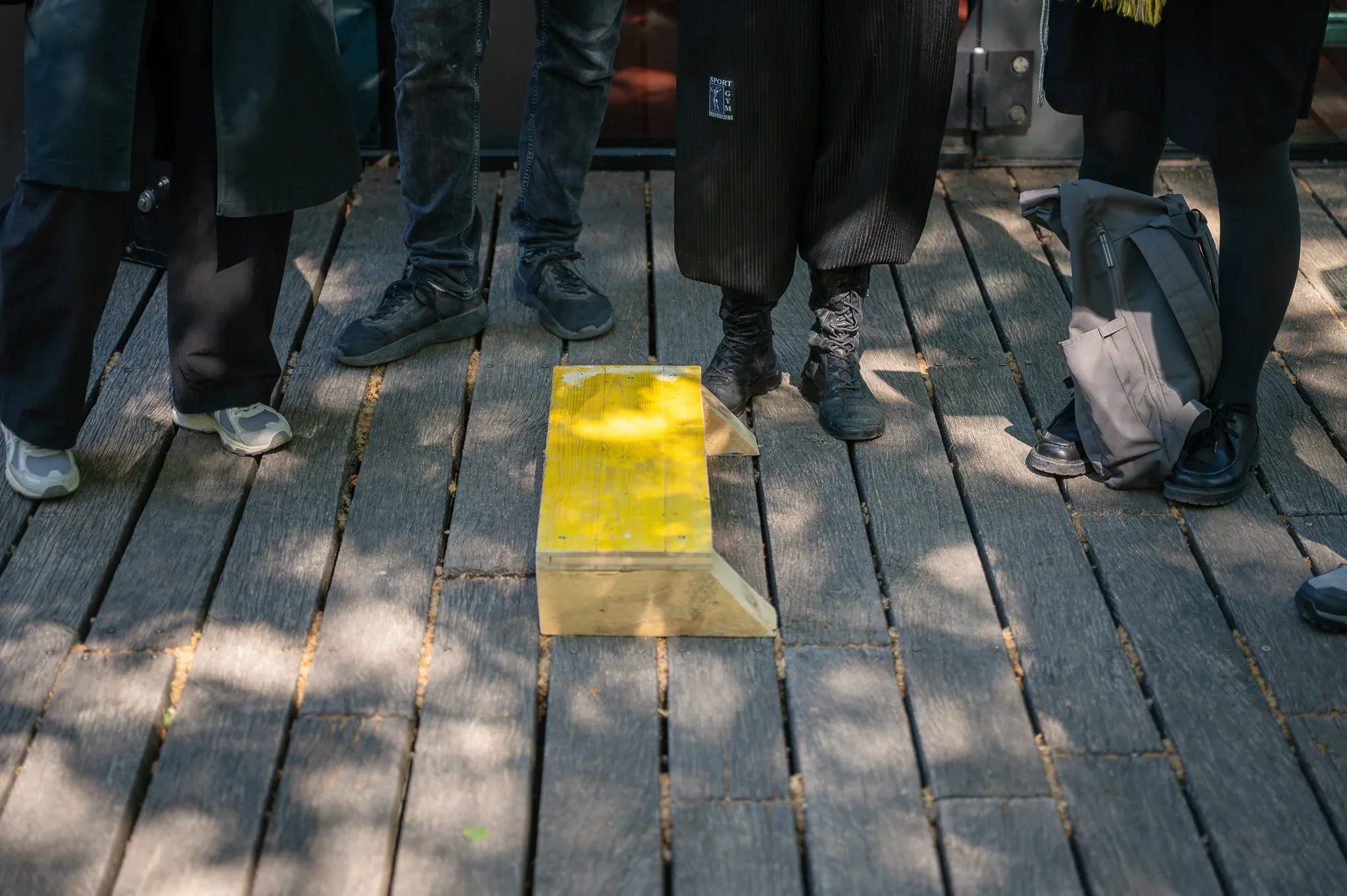
© Michael Seirer Photography
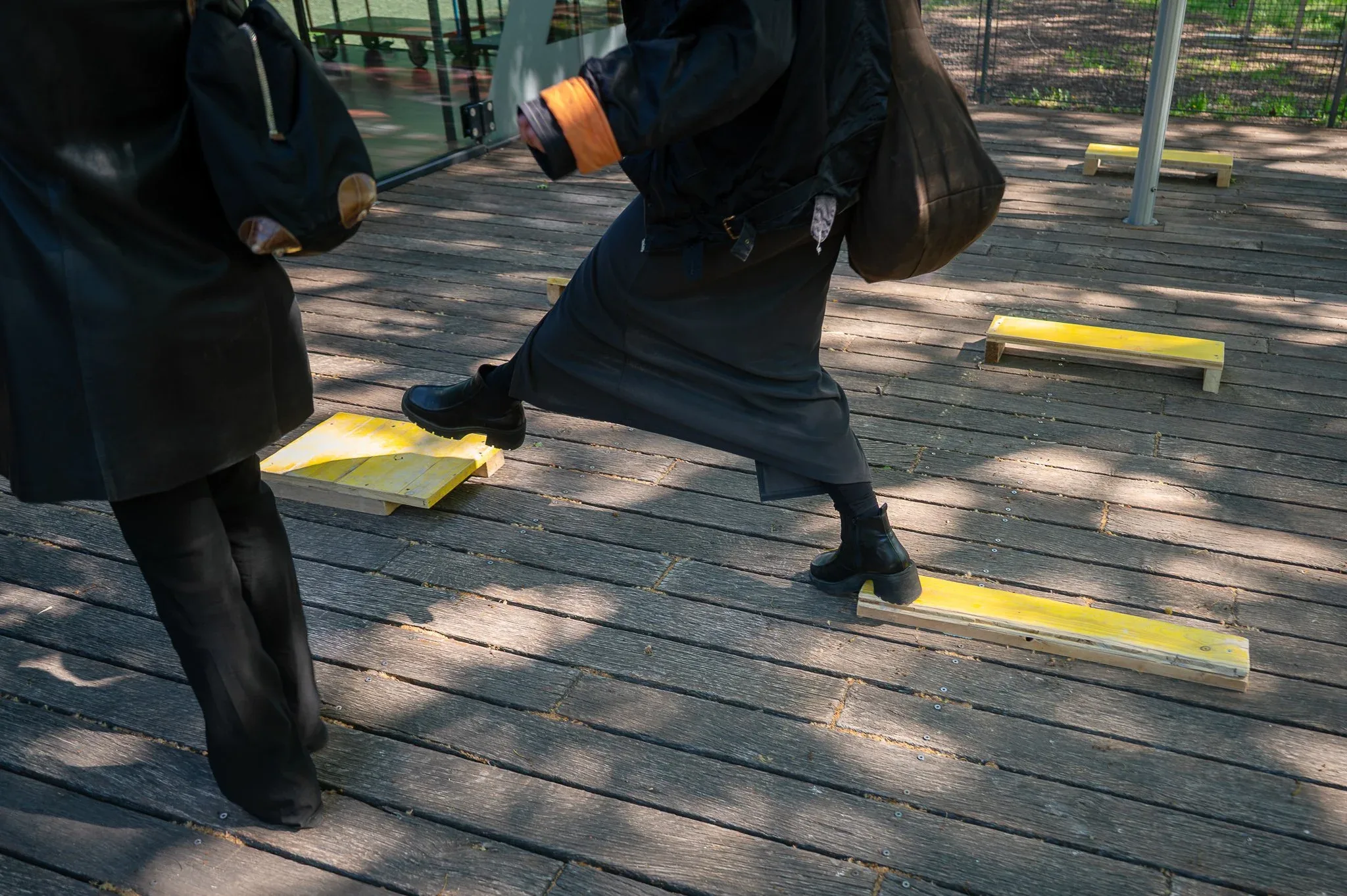
© Michael Seirer Photography
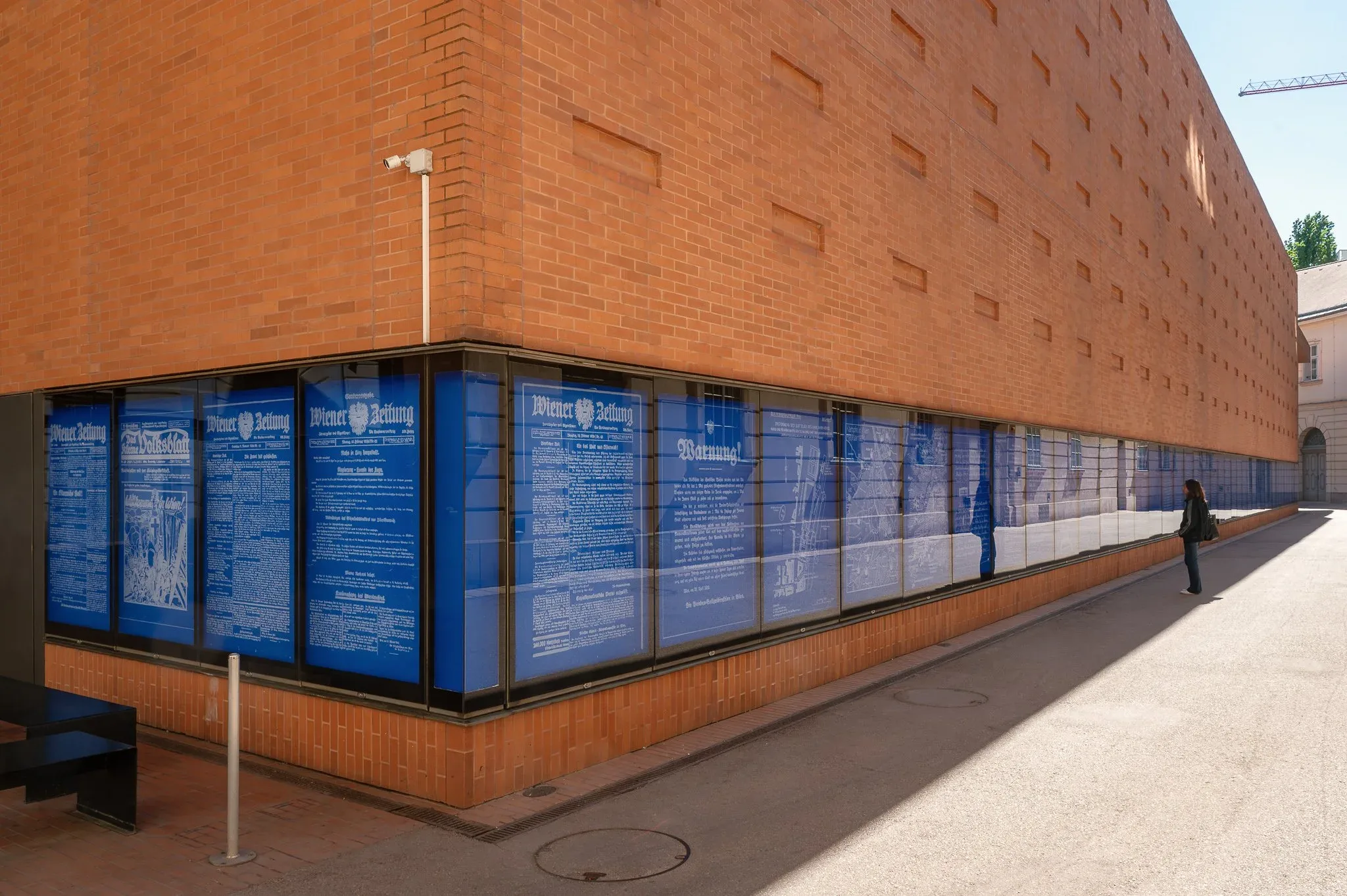
© Michael Seirer Photography
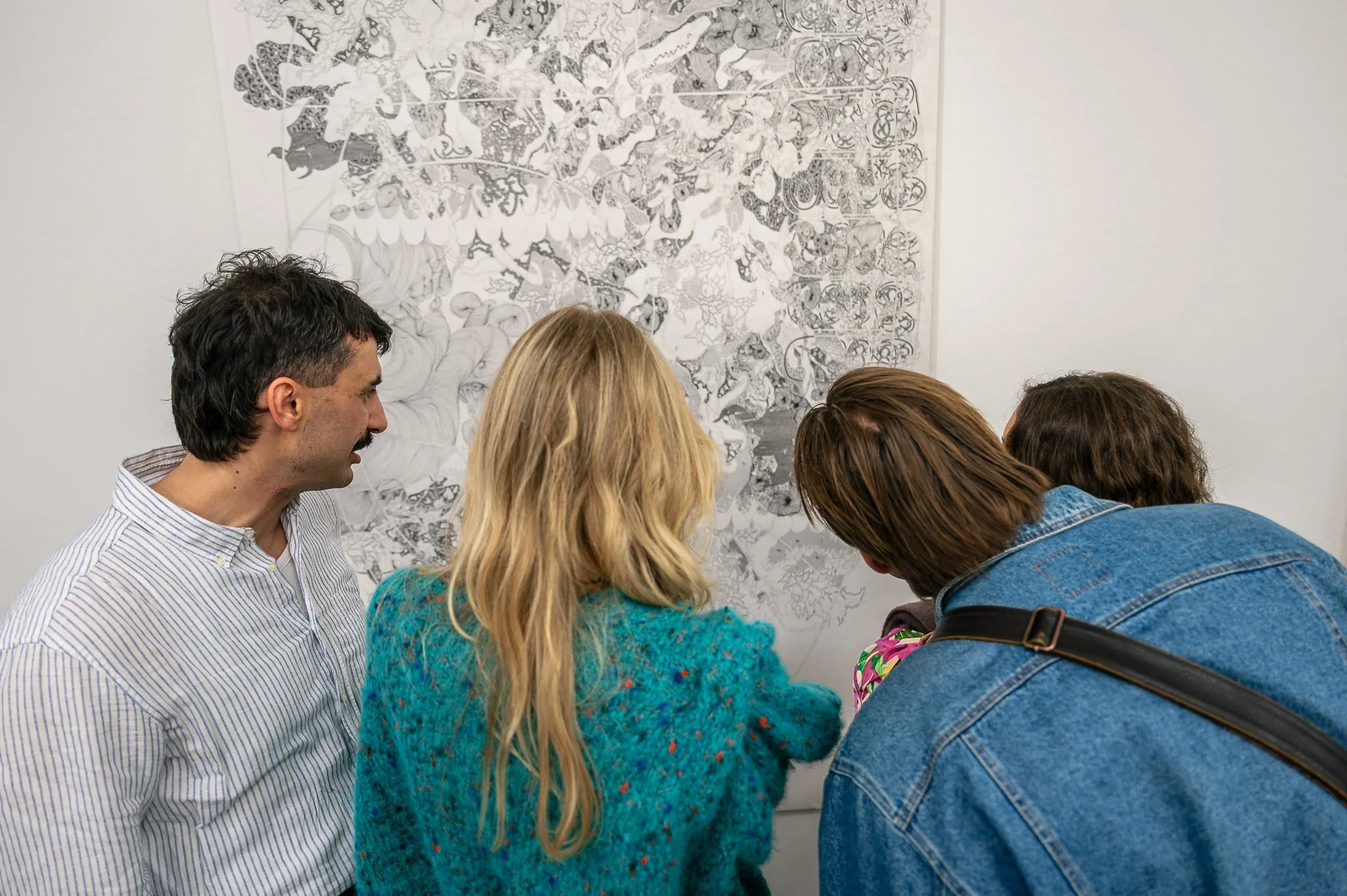
So I went to the press conference. That one decision did two jobs at once. It got me a batch of usable photos before the real shoot even started - the candid, room-full-of-people frames you can’t recreate later. And it meant that by the time I was working the exhibition properly, I already knew the faces, the names, and exactly where each piece lived. No guessing. I photographed with a plan instead of a map I was drawing as I went.
About being in Two Places at Once.
The original plan had both venues covered at the same time - MQ and Karlsplatz, simultaneously. I can’t be in two locations at once, and the easy fix is what most people call a “second shooter”: usually someone junior, usually cheaper, usually recognizable in the final gallery when their frames sit next to mine.
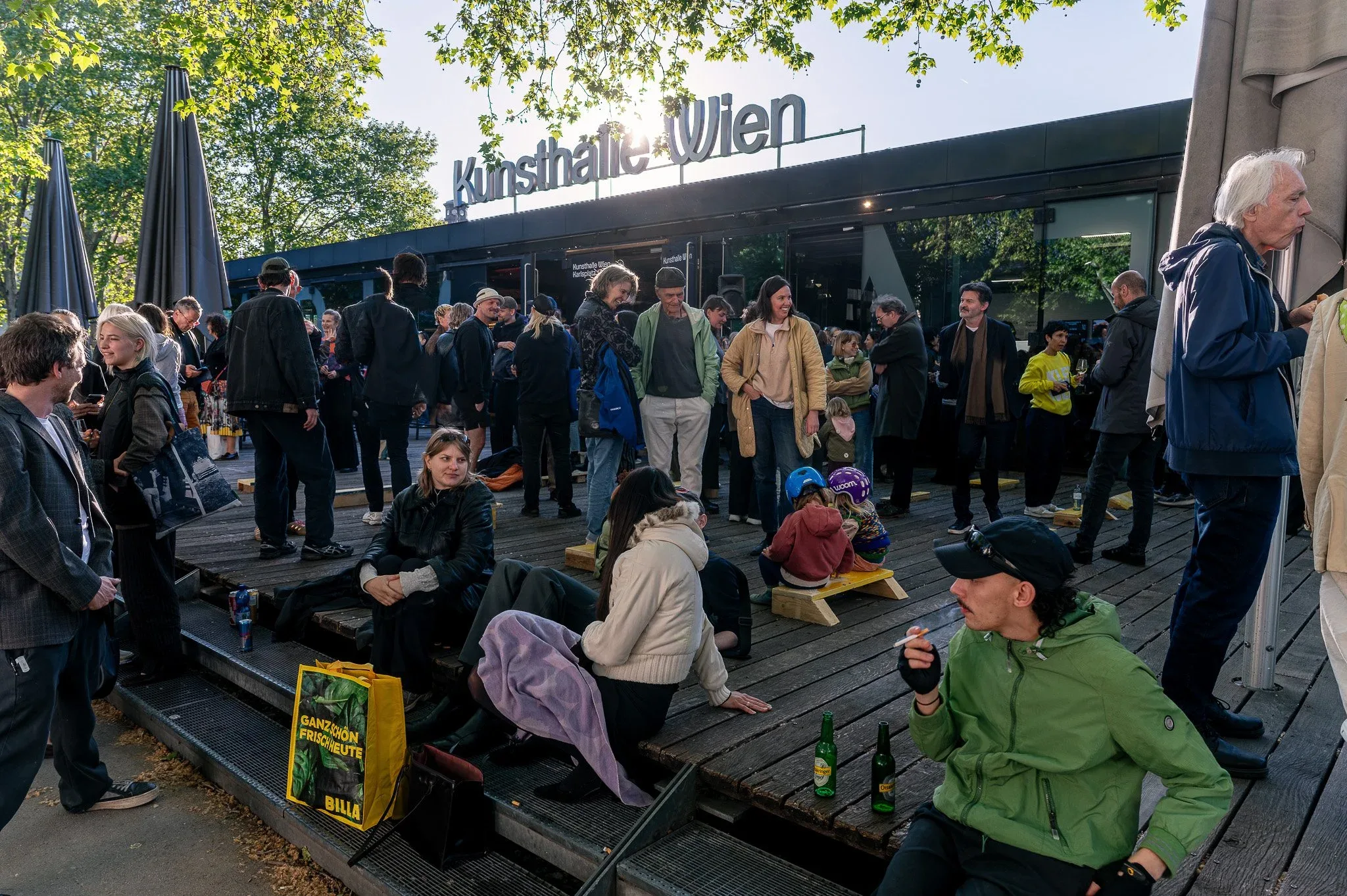
That wasn’t going to work when both locations had to come back looking equally good. So I didn’t hire a second shooter - I brought in a proper professional, Daniel Willinger. The difference shows. I handed him no detailed shot list and he required no babysitting; he reads a room, finds the picture, and delivers. (We actually both ended up at the same main location in the end - but that’s another story.) Two experienced photographers also unlocks shots you simply can’t get alone: the group portrait of all the artists, for one, which we caught from two different angles.
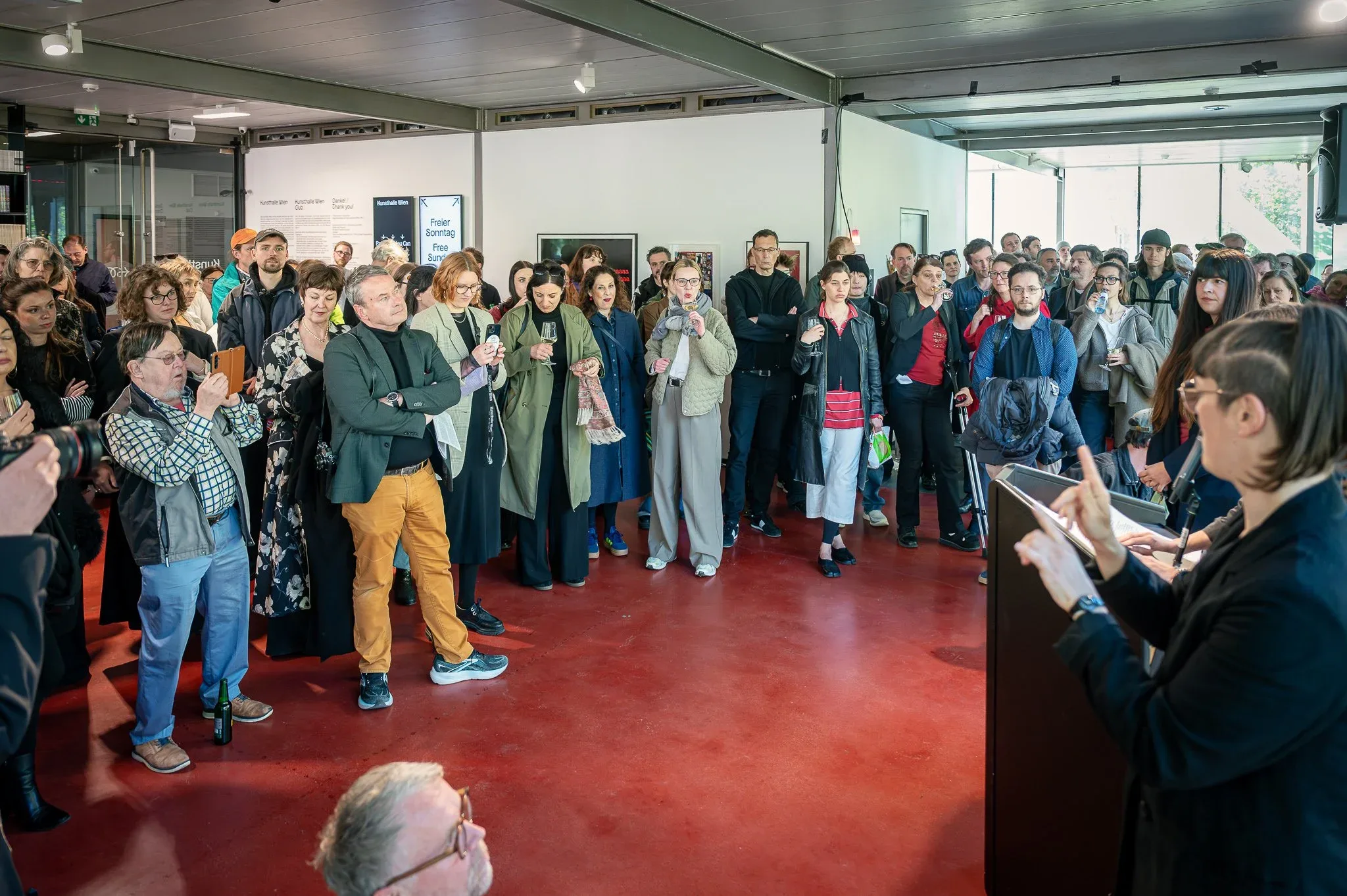
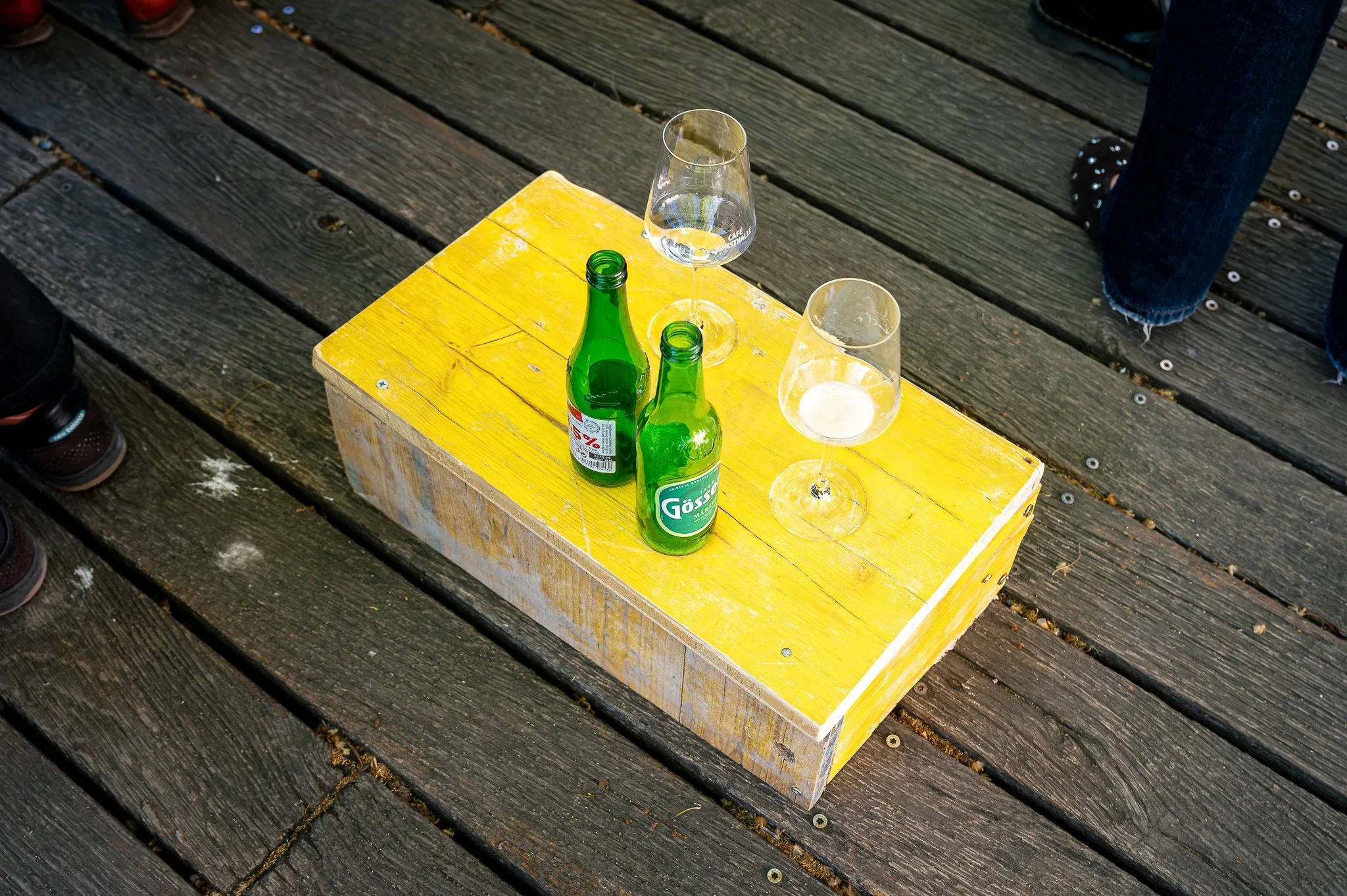
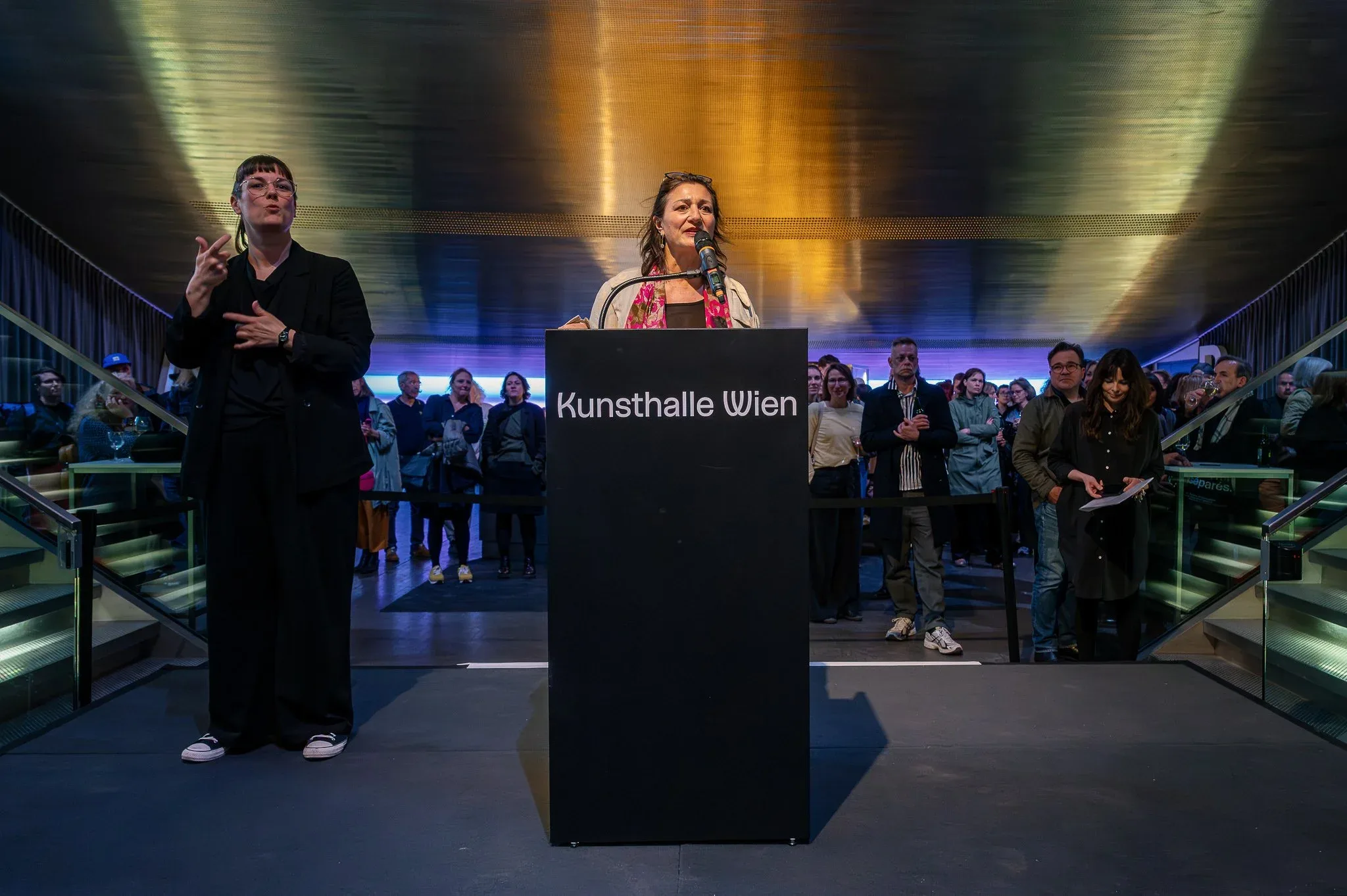
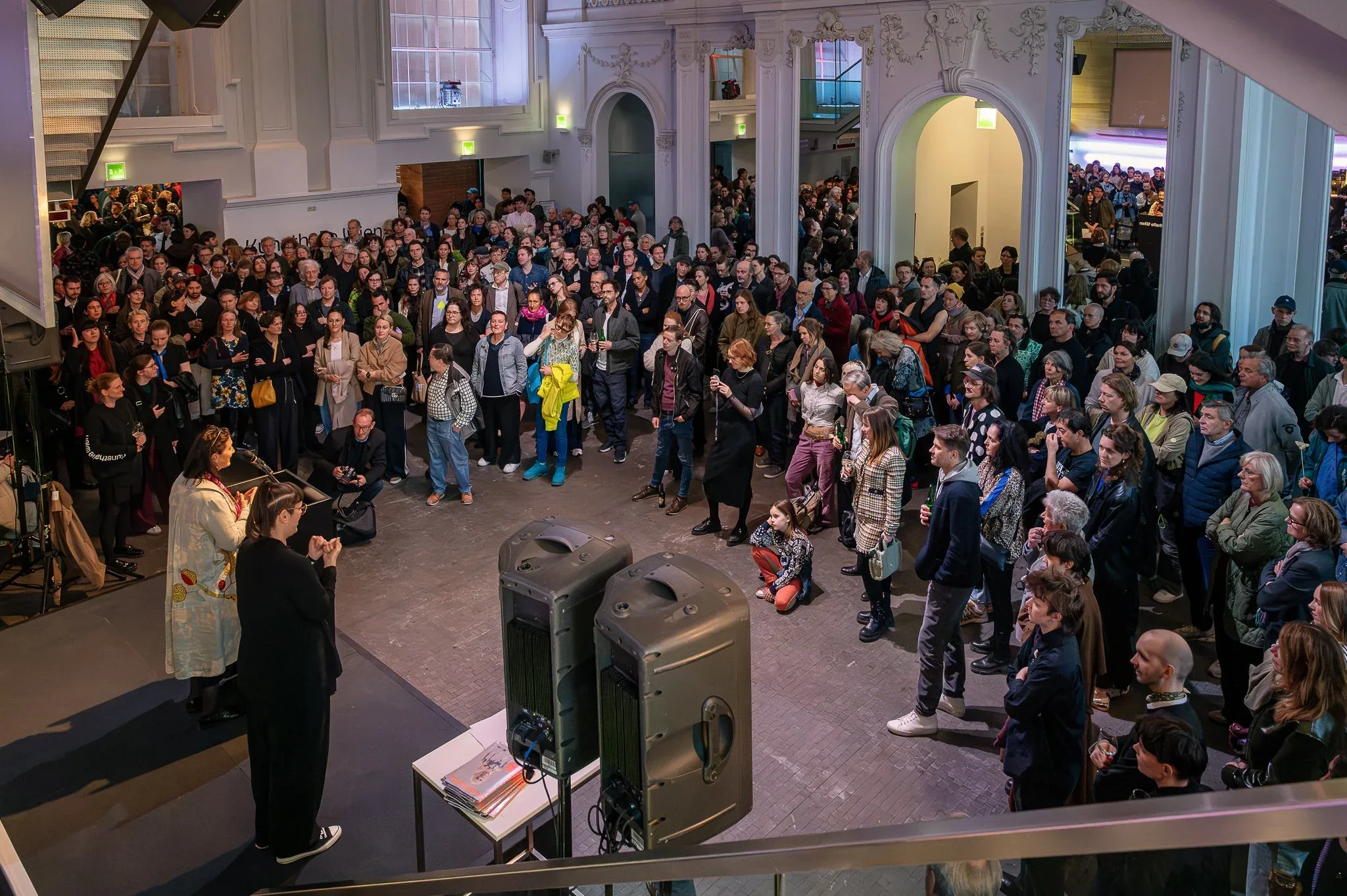
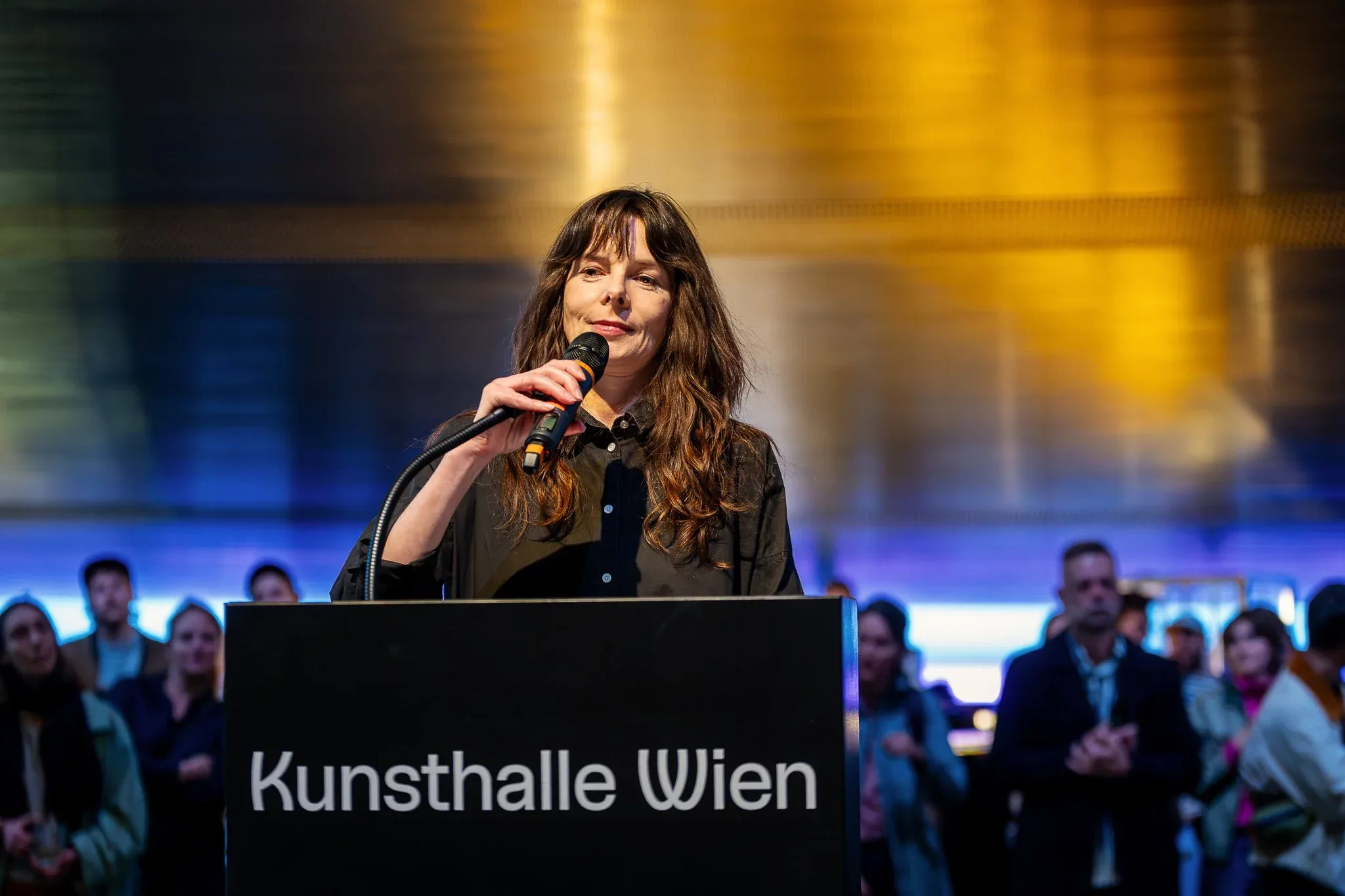
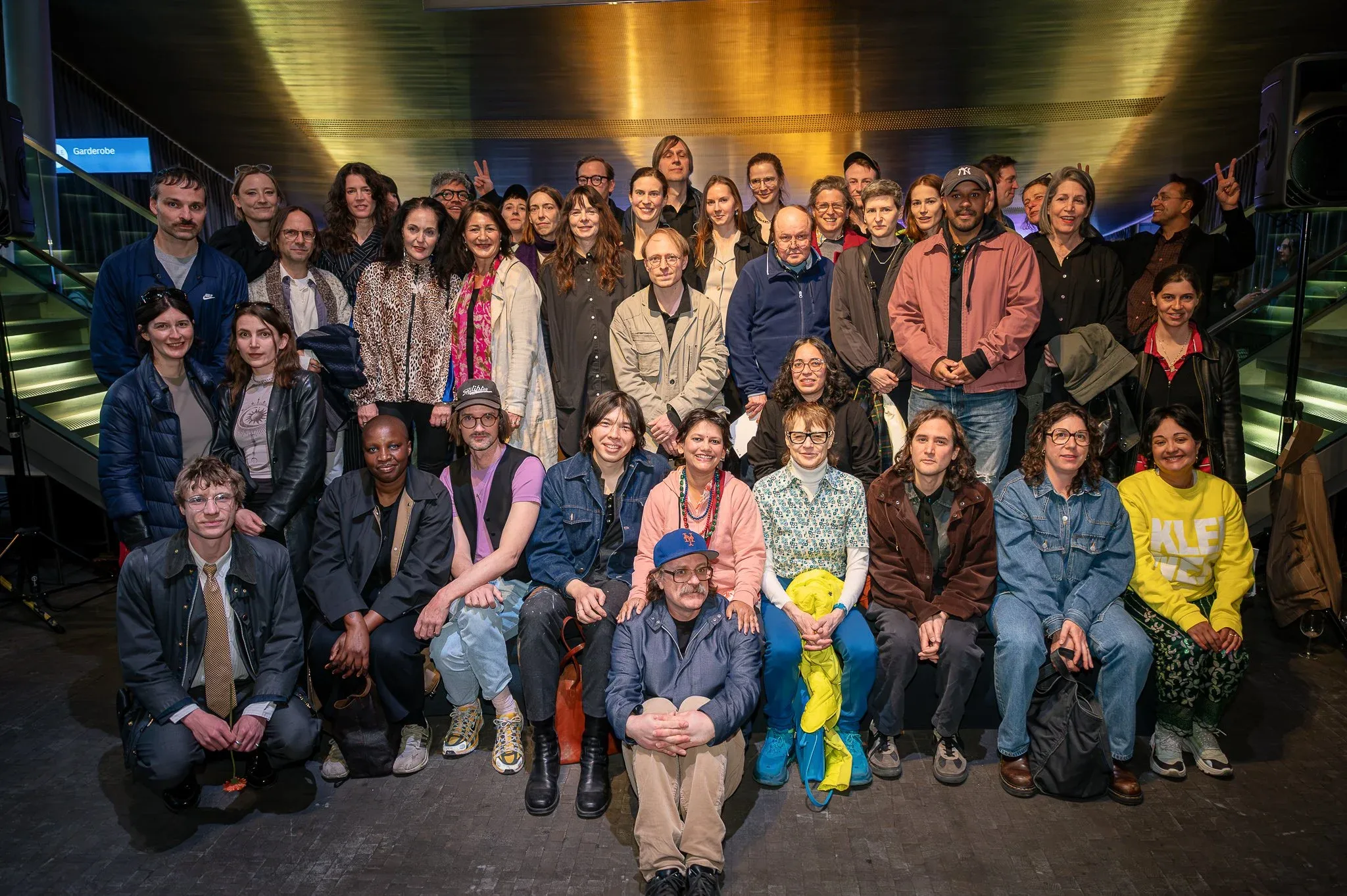
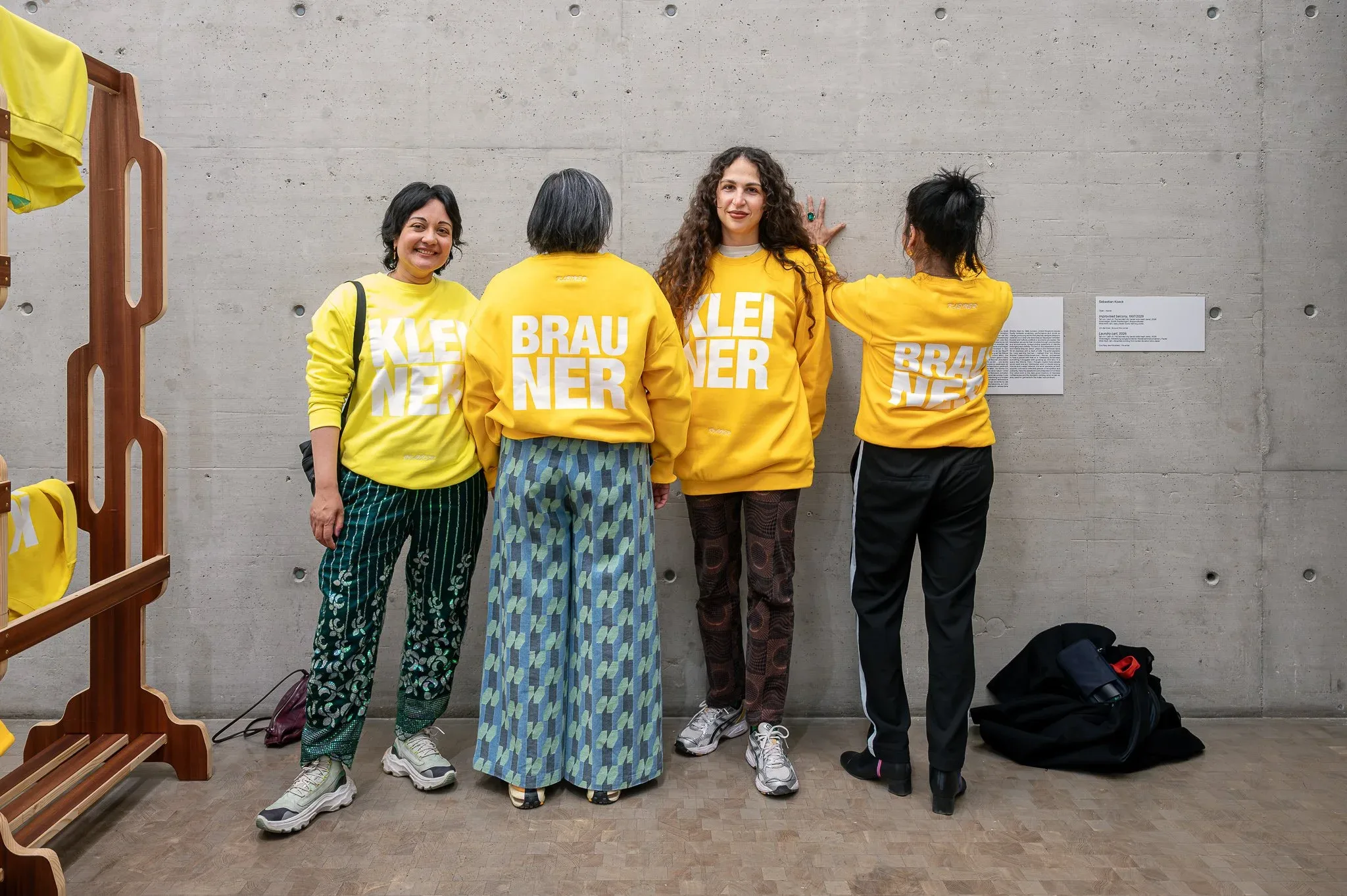
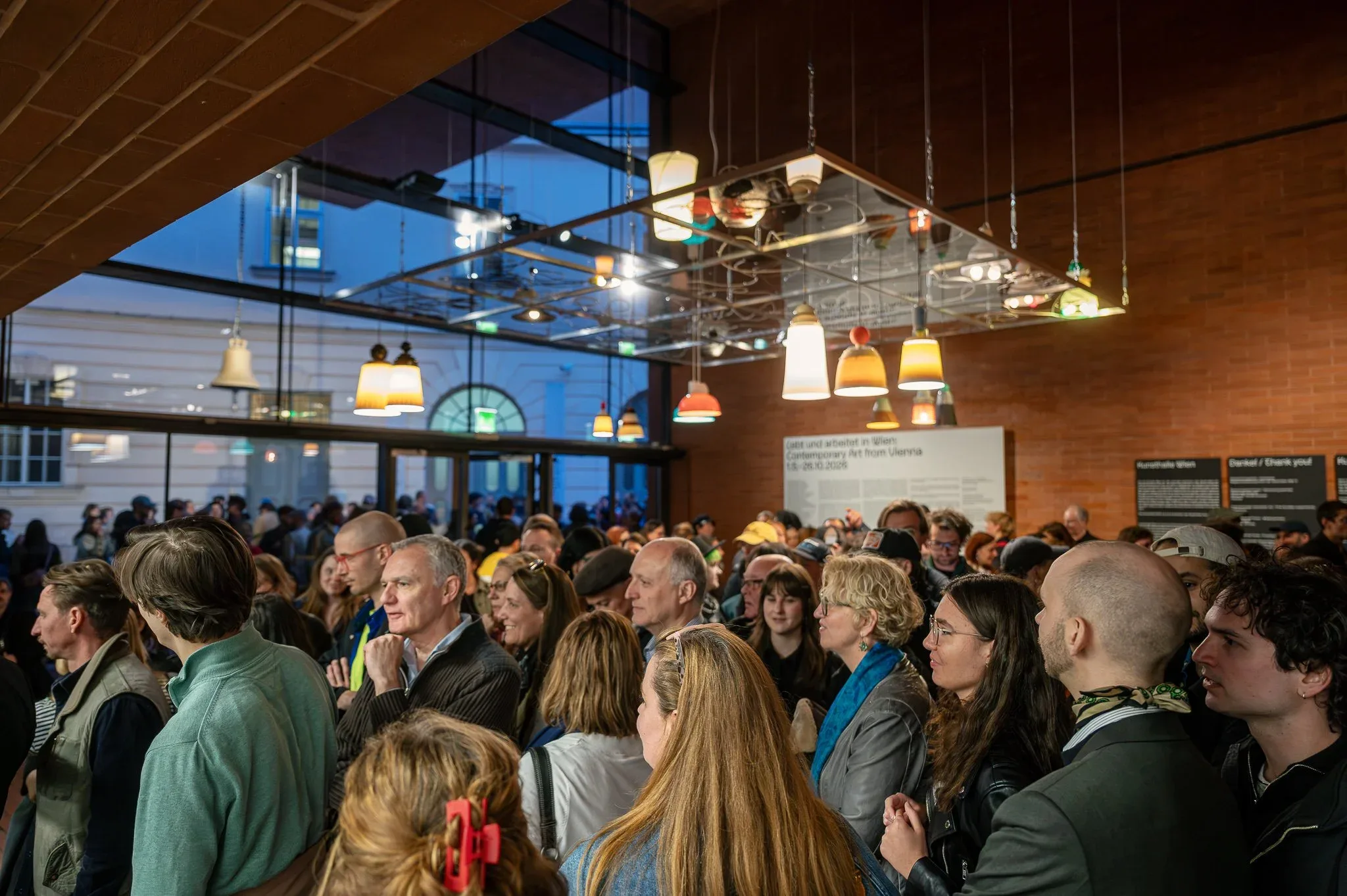
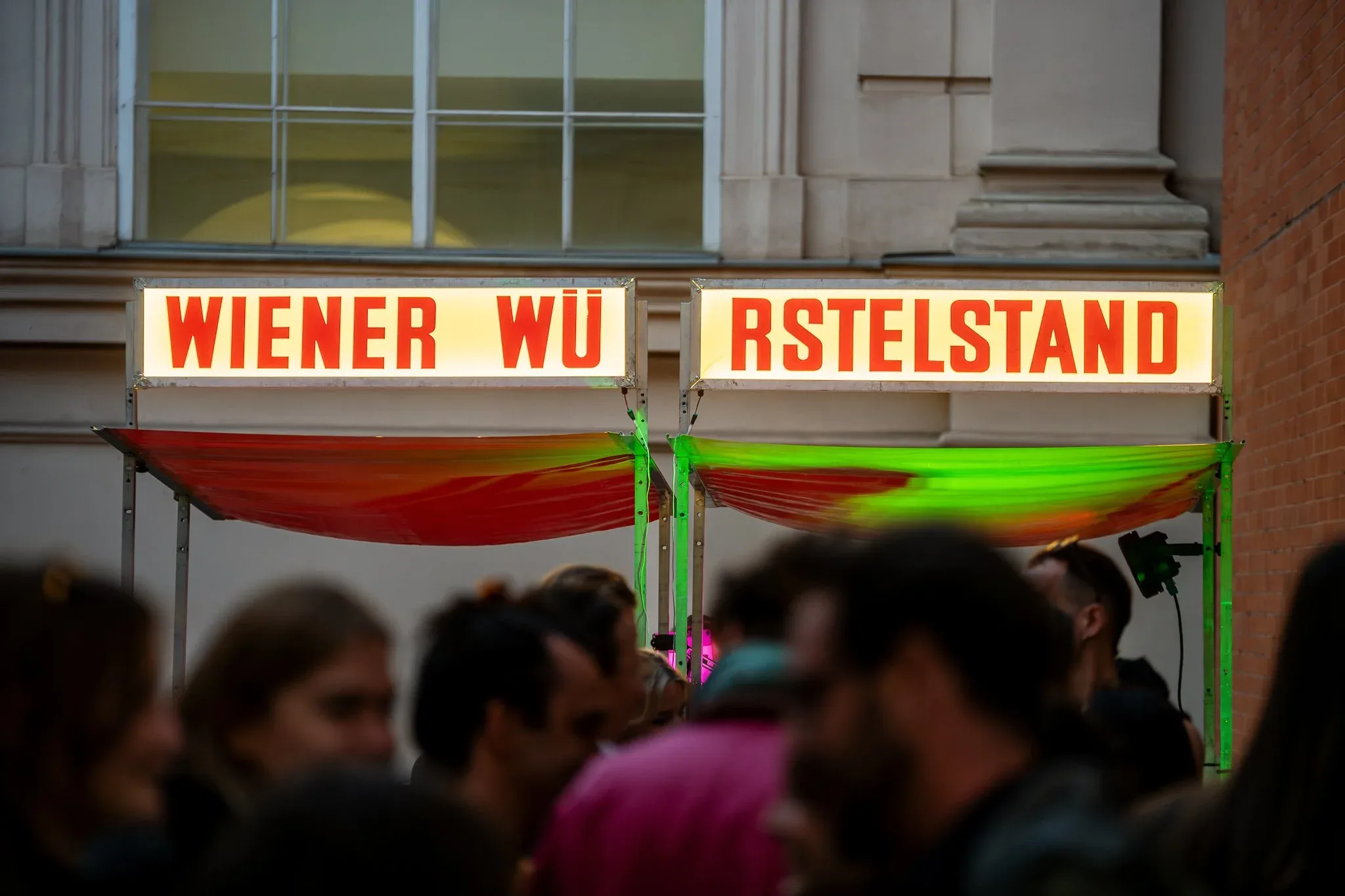
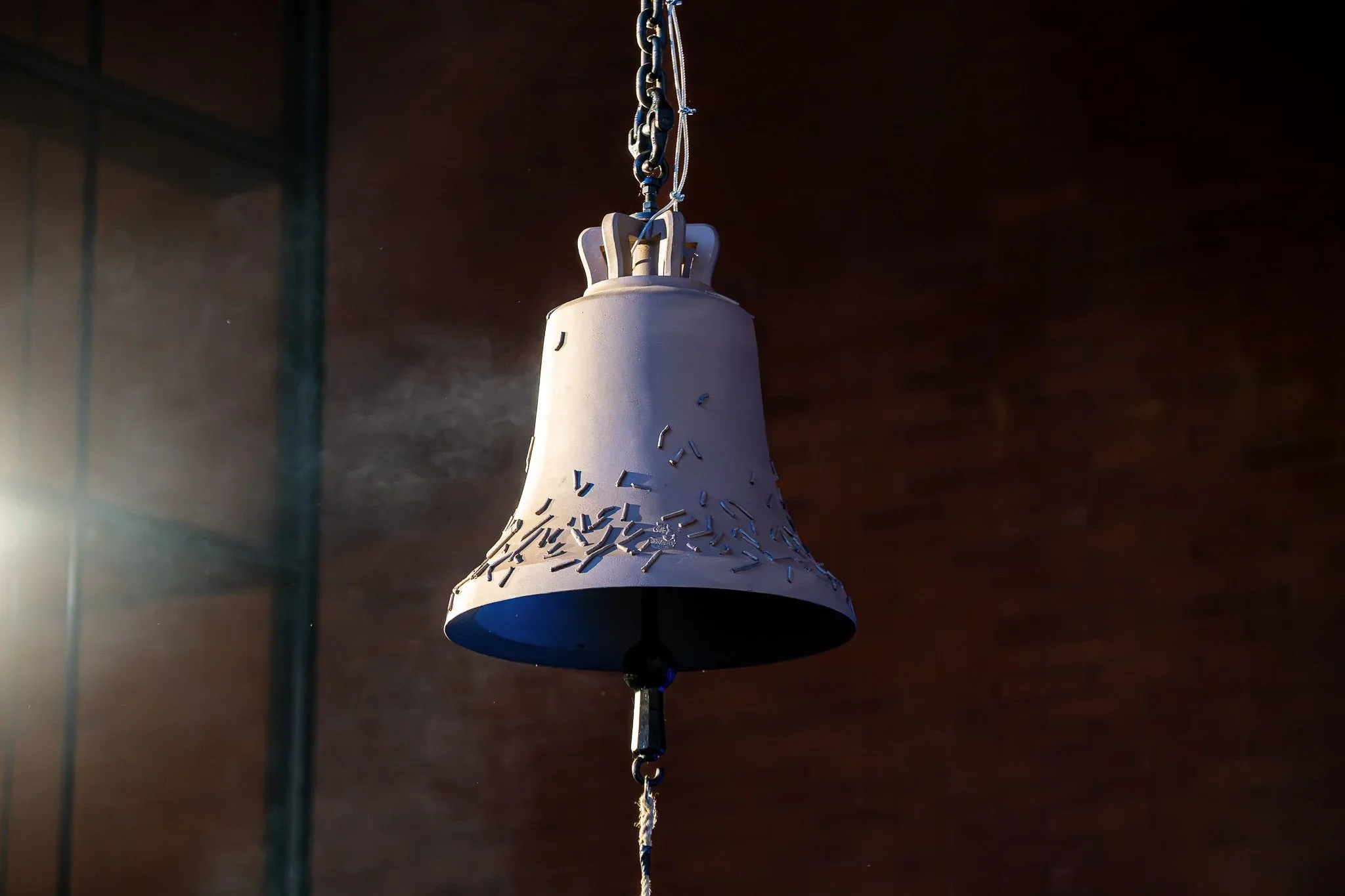
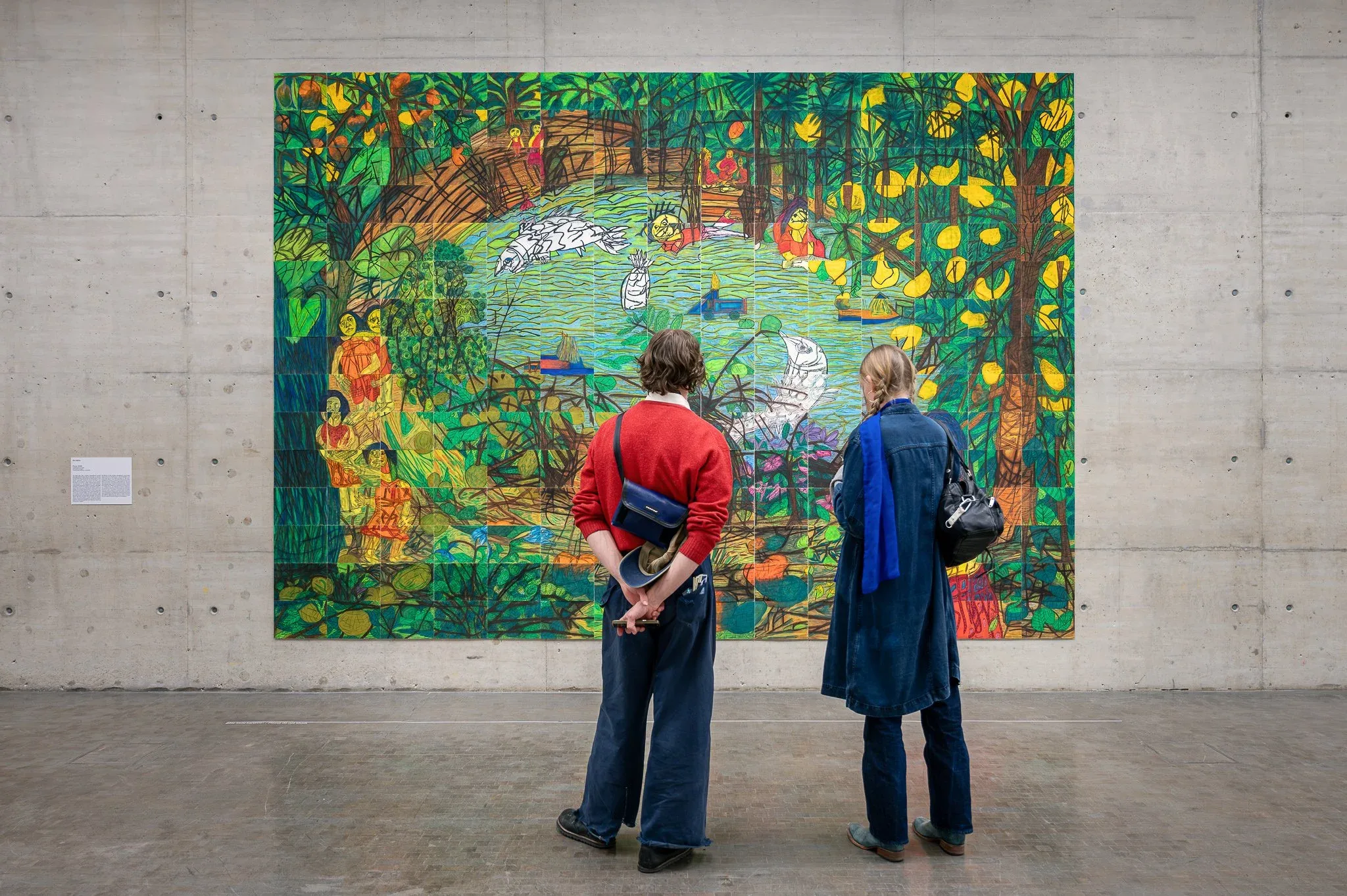
Kunsthalle needed the photos fast.
A shoot of the opening of the exhibition is worthless if it lands three days after everyone’s stopped talking about the opening. So I turned the edit around overnight - selected, processed and delivered the same night, ready for press and social use the next morning while the exhibition opening was still the story. That speed is half the job, and it’s the half clients remember.
That’s really what exhibition photography is: not just turning up with a camera, but showing up early enough to know the room, managing the right collaborator instead of the cheapest one, and getting the finished work into the client’s hands before the moment passes. On a show the size of Lebt und arbeitet in Wien, all three mattered.
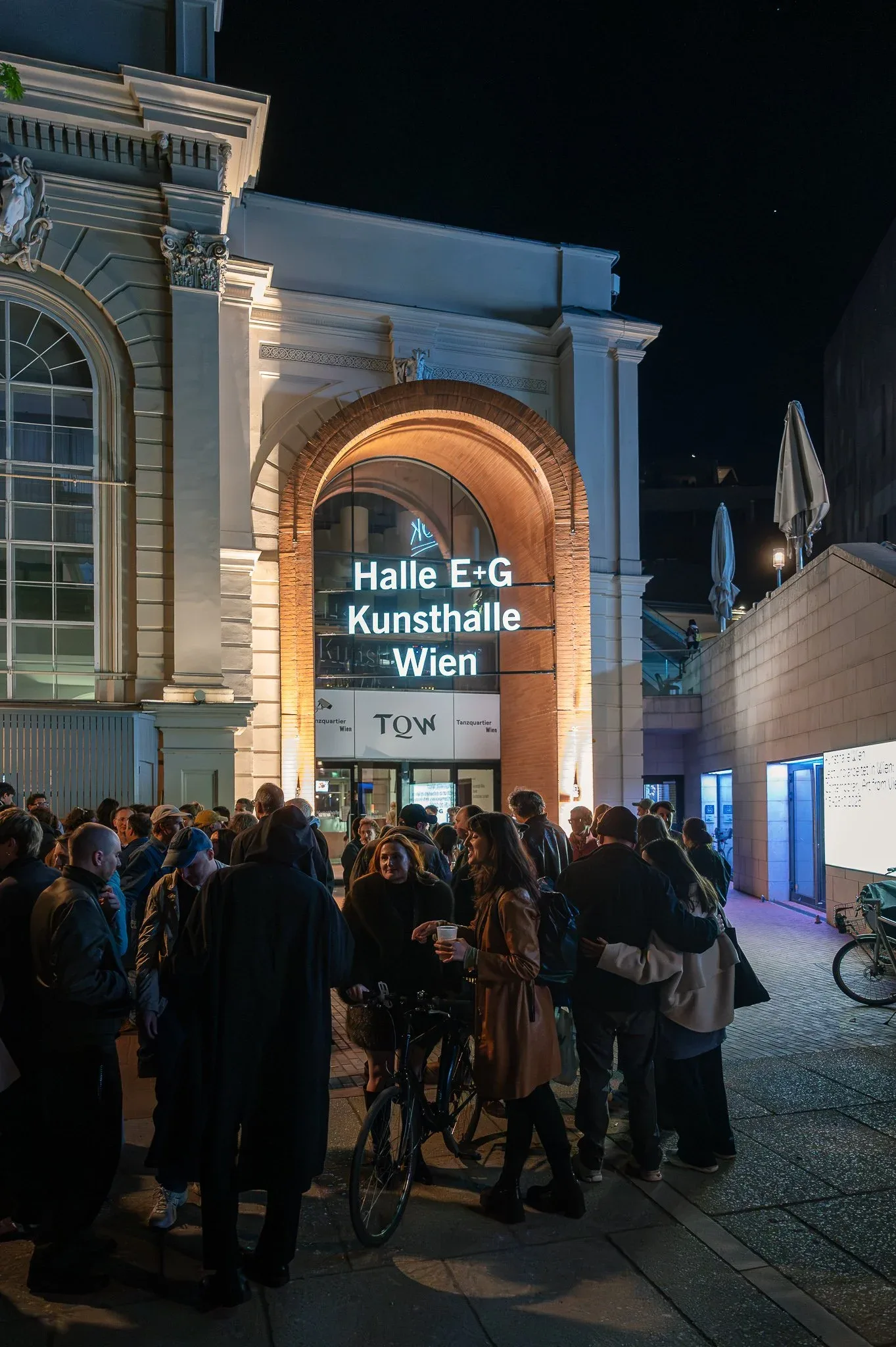
Eventhough it was late, I went home and culled/edited/delivered the photos using a system that is highly automated and helps me making this happen