
Why Cultural Institutions Need a Specialized Event Photographer
(A Look Behind the Scenes of Professional Cultural Photography)
When the Kunsthistorisches Museum Vienna plans an exhibition opening, when the Albertina presents a new retrospective, or when the Foto Arsenal Wien opens its doors for a festival — it's about far more than just "taking photos." It's about capturing the essence of a cultural moment.
The Problem: Not Every Photographer Understands Art
One of the most common complaints cultural institutions have about event photographers is: "The photographer didn't understand what our event was actually about."
This is not a criticism of technical skills — it's a fundamental problem of understanding. A photographer who has never stood before a Caravaggio will document the dramatic lighting of an exhibition opening at the KHM differently — and usually not in the way the client intended — compared to someone who knows and understands the master's chiaroscuro technique.
What Cultural Institutions Really Need
After well over a decade of collaboration with Vienna's most significant cultural institutions — from the Kunsthistorisches Museum to the Albertina to the Westlicht — I have learned what these institutions actually expect from a photographer:
-
1. Deep Understanding of Artistic Concepts
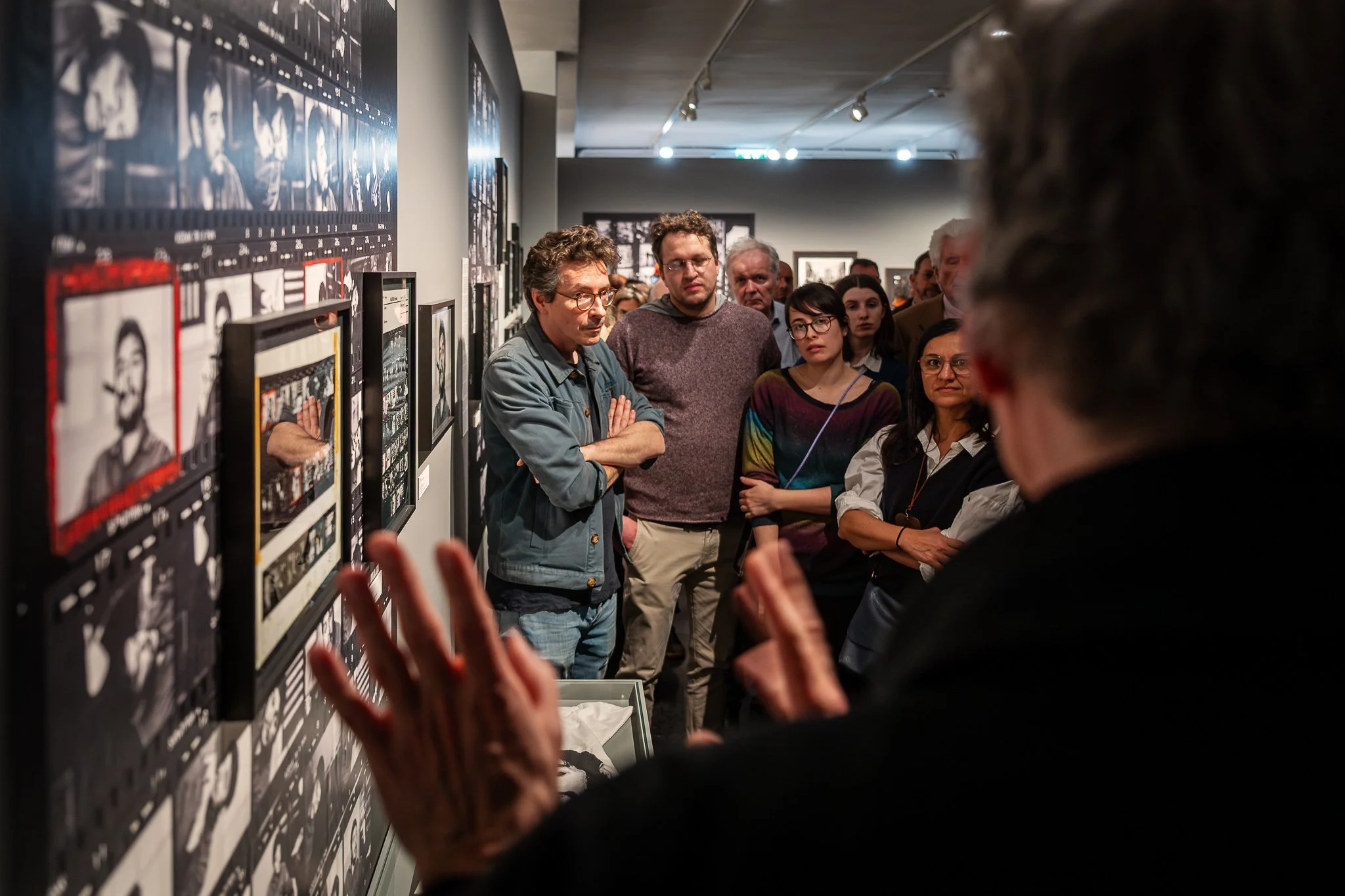
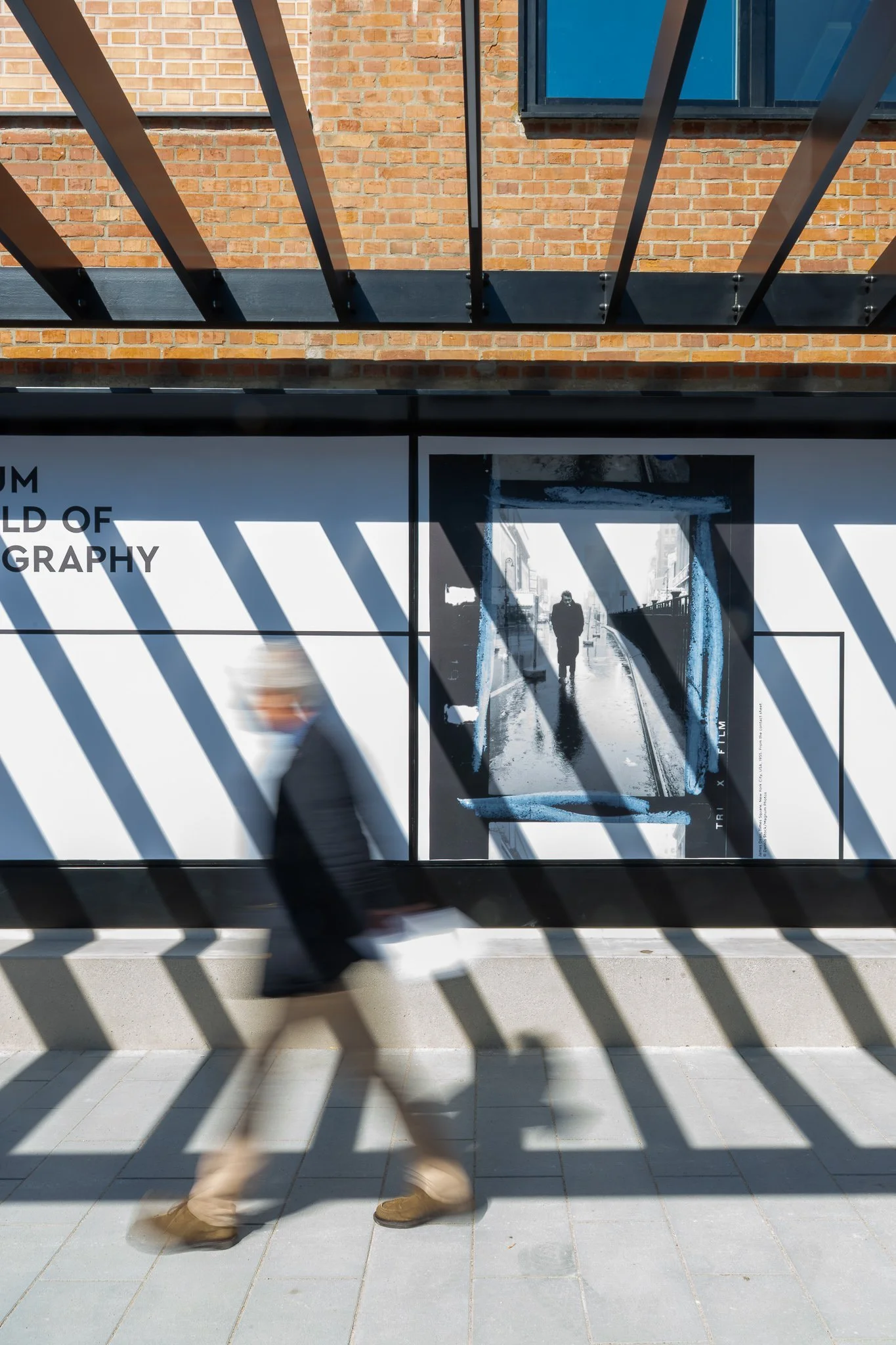
When I document the Henri Cartier-Bresson exhibition at the Foto Arsenal Wien, I'm not simply photographing pictures on walls. I understand why curator Ulrich Pohlmann chose this specific hanging arrangement, what the "decisive moment" meant to Cartier-Bresson, and how I can honor that philosophy in my own documentation.
-
2. Technical Excellence Under Difficult Conditions
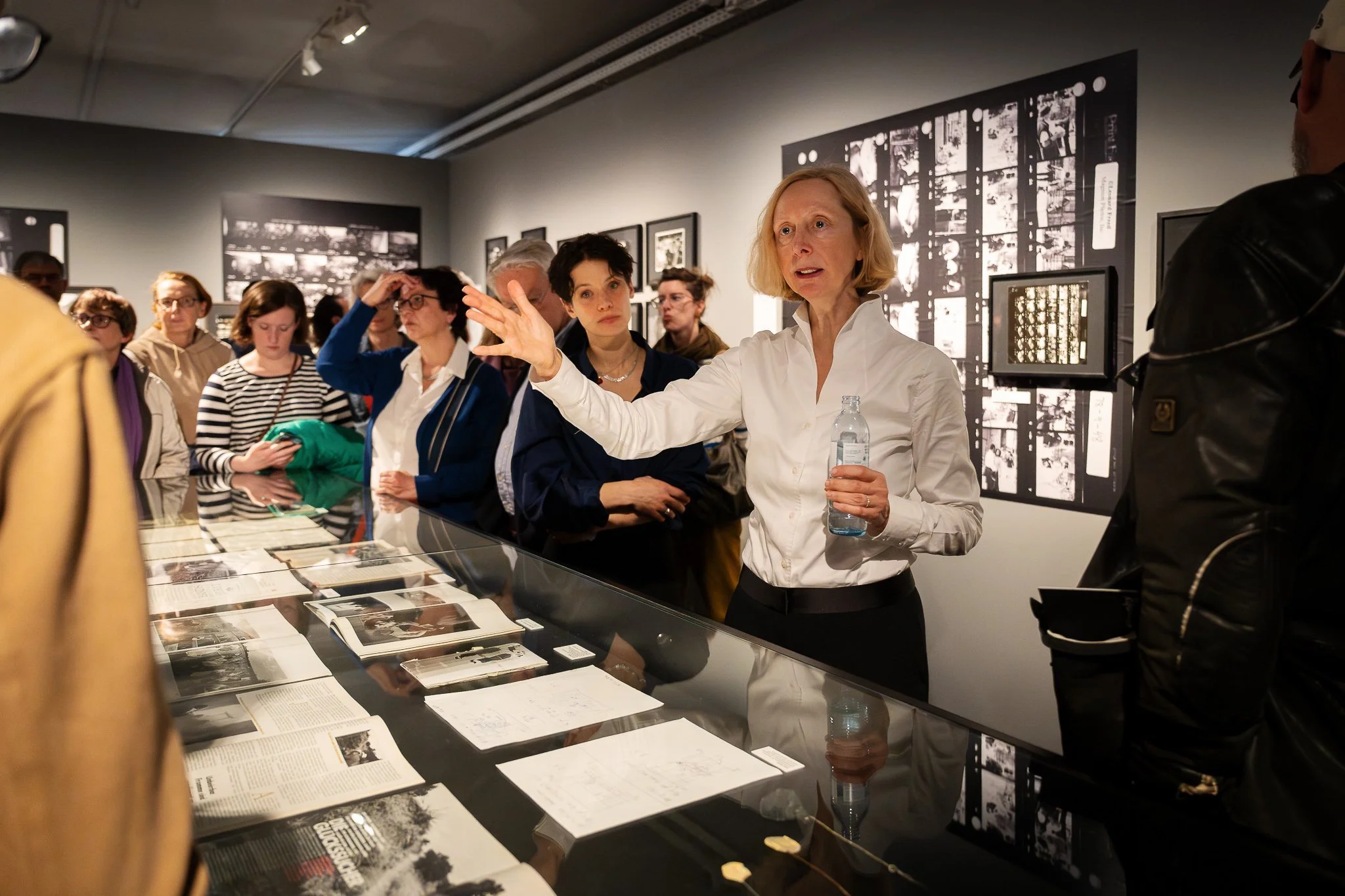
Museums and galleries are photographically demanding environments:
- Subdued light to protect the artworks
- Reflections on glass and polished surfaces - Movement of visitors during vernissages
- Strict rules regarding flash use
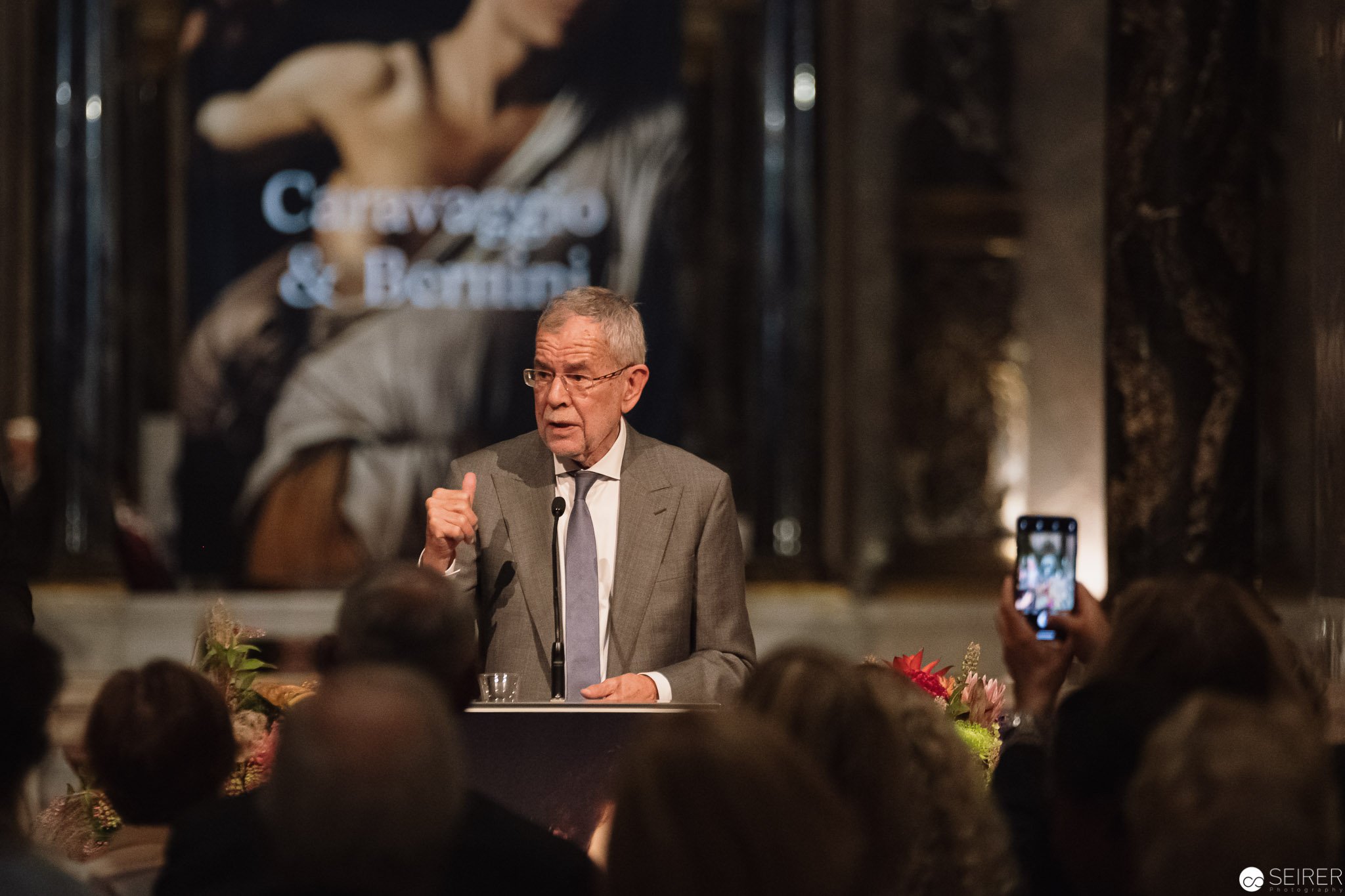
At the opening of the Caravaggio & Bernini exhibition, I had to work with the dramatic overhead lighting that the curators had deliberately chosen to mirror Caravaggio's own lighting technique. A flash would have destroyed that atmosphere.
-
3. Discretion and Professionalism
Cultural events at their openings are often attended by high-profile guests. At the Caravaggio opening, Federal President Alexander Van der Bellen was speaking — there is no place for intrusive photographers. The art (pun intended) lies in working unobtrusively while simultaneously anticipating and capturing all the important moments.
The Difference Shows in the Details
A photographer without cultural understanding photographs a speaker in front of a painting.
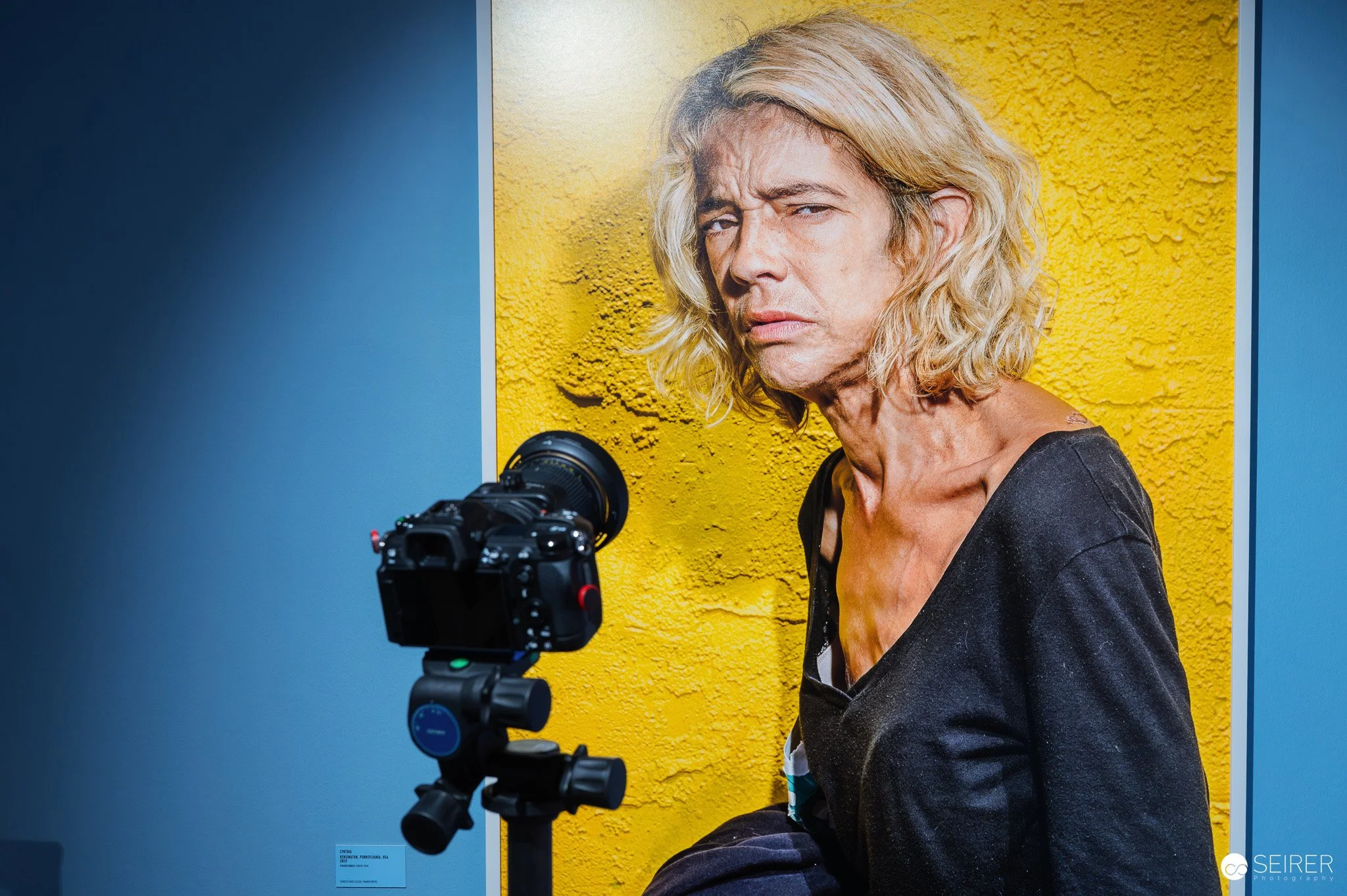
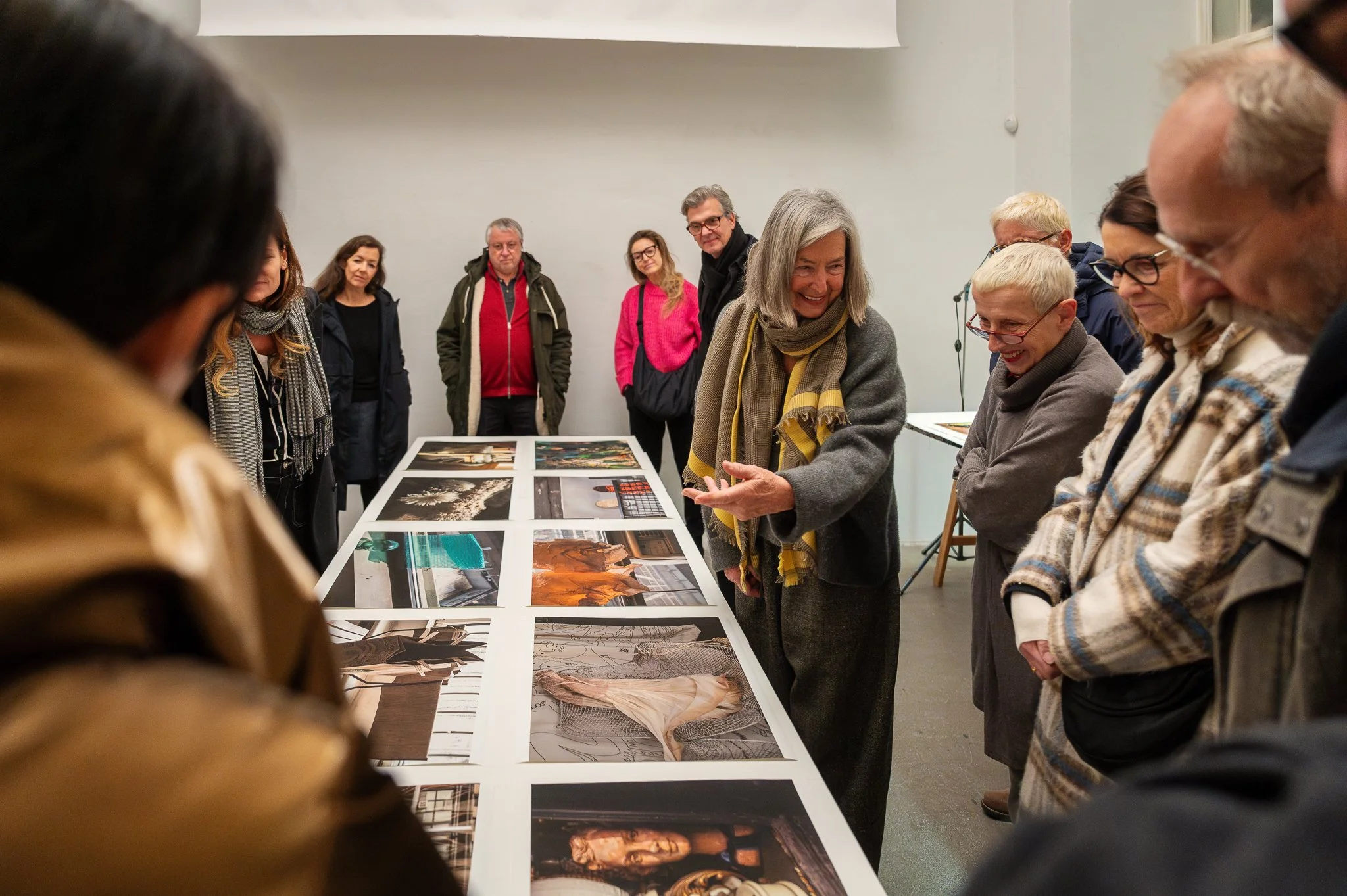
A specialized cultural photographer understands that the painting in the background was deliberately chosen, composes the image so that both elements work in dialogue with each other, and knows at which moment the speaker makes a gesture that echoes or contrasts with the artwork. Many of my clients choose me because, alongside the standard work (routine event photography), I capture exactly these additional scenes — it's no coincidence that both the FOTO ARSENAL WIEN and the Westlicht have chosen me for many years to photographically accompany their exhibitions and events.
My Work with Vienna's Cultural Institutions
I have the privilege of working regularly for some of Vienna's most significant cultural venues:
Foto Arsenal Wien — Official photographer for openings, events, etc.
Foto Wien Festival — Official photographer
Westlicht — Official photographer for openings and events, readings, etc.
… and many more, such as Wien Museum, Albertina, Kunsthistorisches Museum, etc.
These long-standing relationships don't arise by chance. They are built on trust, established through consistent quality and a deep understanding of the needs of cultural institutions.
If you run a cultural institution or organize events for museums, galleries, or theaters, ask yourself one question: Does your photographer understand what you do?
Planen Sie eine Ausstellungseröffnung, Vernissage oder kulturelle Veranstaltung?
Related Articles:
How to Spot a Good Event Photographer: 11 Signs That Actually Matter
How to Justify Hiring a Professional Event Photographer to Your CFO
Who owns the photos? A Client’s Guide to Copyright and Usage Rights in Event Photographys
The Essential Conference Photography Shot List Your Marketing Team Actually Needs
The 5 Biggest Event Photography Mistakes (And How to Avoid Them)
Event Photography: The Strategic Advantage You Didn't Know You Needed