
More Than a Camera: The Human Side of Event Photography
There's a moment at almost every event I shoot when something shifts.
At first, people notice the camera. They straighten up, smooth down a lapel, flash a practiced smile - or quietly try to disappear. But give it twenty minutes, sometimes less, and the room changes. People stop tracking me and go back to being themselves. I become part of the furniture.
That's when the real work starts.
Reading the room - and the people in it
At a financial industry conference last year, I spotted a group of three in animated conversation - men, clearly comfortable with each other, not yet comfortable with the lens pointed at them. I caught eyes with one of them and smiled. No pressure, no rush. Seconds later, someone half-turned toward me - the door was open. I leaned in: "Would you mind stepping slightly this way? The light's better over here."
What I didn't say was that I was also framing them in a much betterw ay - an instant layer of atmosphere that turned a standard conference portrait into something that actually felt like an evening worth remembering. They moved happily. The shot took four seconds.
That's what reading a room gets you: permission before you've even had to ask for it. When I move towards a group I turn my camera in the right settings and scan the environment for distractions and how I can improve it.
Technical skill gets you sharp focus and clean exposure (which arguably any modern camera can achieve). Social awareness gets you the unguarded laugh, the quiet side conversation, the genuine expression someone didn't know they were making. Those are the shots clients use a year later - not the group line-up against a pull-up banner (though this has to be done as well).
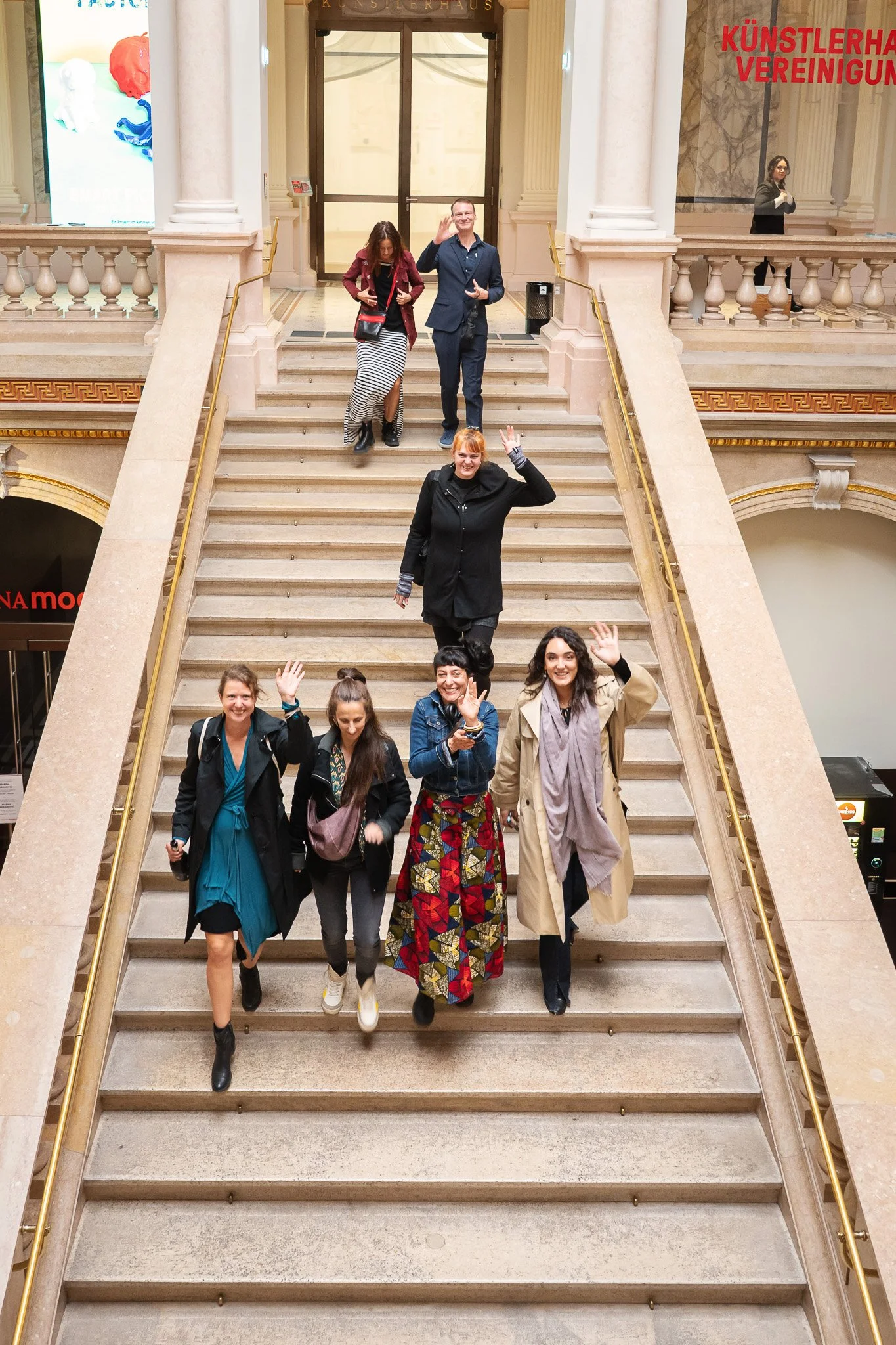
I've been told my on-site energy is contagious. People tend to smile back before they even realise the camera is up.
At the same time, I'm constantly reading what shouldn't be photographed. Tense discussions, private moments, someone having a hard night - a good event photographer knows the networking happening in the room matters more than any single frame.
The unofficial concierge
There's also a side of the job that nobody puts in the brief. Because I usually know the programme as well as the organisers do - which room the breakout sessions are in, when the doors open, where the catering is, where the restrooms are - I end up fielding a lot of questions that have nothing to do with photography. Is the panel still in the main hall? Where do I find the registration desk?
I help. Every time.
Partly because it's the right thing to do, but also because it's exactly the kind of interaction that makes me less of a stranger in the room. Someone I helped find the right floor twenty minutes ago is far more relaxed in front of my lens than someone who's never spoken to me.
When a speaker wants a quick look at a shot before they leave, I make it happen. When someone asks if I can take a picture with their phone too, I do it without making them feel like they're wasting my time. Small things, but they signal something that matters: I'm here for the people in the room, not just the deliverable at the end of it.
And because many of my clients book me again for their next event, there's often a warmth from the moment I walk in the door: Familiar faces, shared history. That shows up in the photos too.
Being there for the people, not just the brief
A recent job reframed how I think about my event work.
I was booked to photograph a vintage photography fair - stalls, atmosphere, the usual - and the organiser also asked me to take portraits of the exhibiting merchants. Standard enough. But afterward, he mentioned something that stayed with me: many of them are quite elderly, and he doesn't know how many more years they'll travel to these fairs internationally have a booth. Those portraits weren't just event documentation. They were records of people. It's a reminder that even a routine booking can mean something beyond the brief.

What clients actually remember
Most clients won't remember your f-stop. They'll remember that the photos looked great. But more than that, they'll remember how the experience of being photographed felt. Whether the photographer blended in when it mattered, or stepped in when it helped. Whether the images felt lived-in rather than staged.
That's the part of the job I find most interesting. And if it sounds like something your next event could use, I'm happy to talk.
If you're trying to figure out whether a photographer is actually right for your event, these eleven signs are a good starting point. Had a bad experience before and ended up with photos that didn't reflect the evening at all? That's a more common problem than it should be - and a fixable one. For anyone planning a conference specifically, this shot list covers what you will actually need. And if you're still making the internal case for hiring a professional, here's how to have that conversation with your CFO.
More on how I work: FAQ