
The 5 Biggest Event Photography Mistakes (And How to Avoid Them)
Everything that can go wrong usually starts with a conversation that didn't happen.
I've been on both sides of event photography gone wrong. As the photographer who walked into a conference with no idea who the keynote speaker was (early in my career, never again). And as the person reviewing coverage from other photographers where the client got something very different from what they expected.
The pattern is almost always the same. It's not that the photographer was terrible. It's that something went wrong in the planning, the communication, or the match between photographer and event. And by the time anyone notices, the event is over. You can't reshoot a keynote.
Here are the five mistakes I see most often - and the straightforward fixes for each.
Mistake 1: No Briefing (Or a Bad One)
This is the most common mistake, and the most preventable.
"Just capture the event" is not a brief. It sounds like freedom, but it's actually chaos. Without direction, even a very good photographer is guessing. And guessing means missing things. I understand, that people organizing events have many other topics on their table - but not giving a clear picture on what they expect and how they are going to use the photos this is a waste of time for both parties.
What happens in practice: The photographer spends twenty minutes getting beautiful wide shots of the venue while the CEO is having a crucial conversation with the keynote speaker in the hallway. Nobody told the photographer the CEO would be there, or that this meeting mattered. The moment is gone.
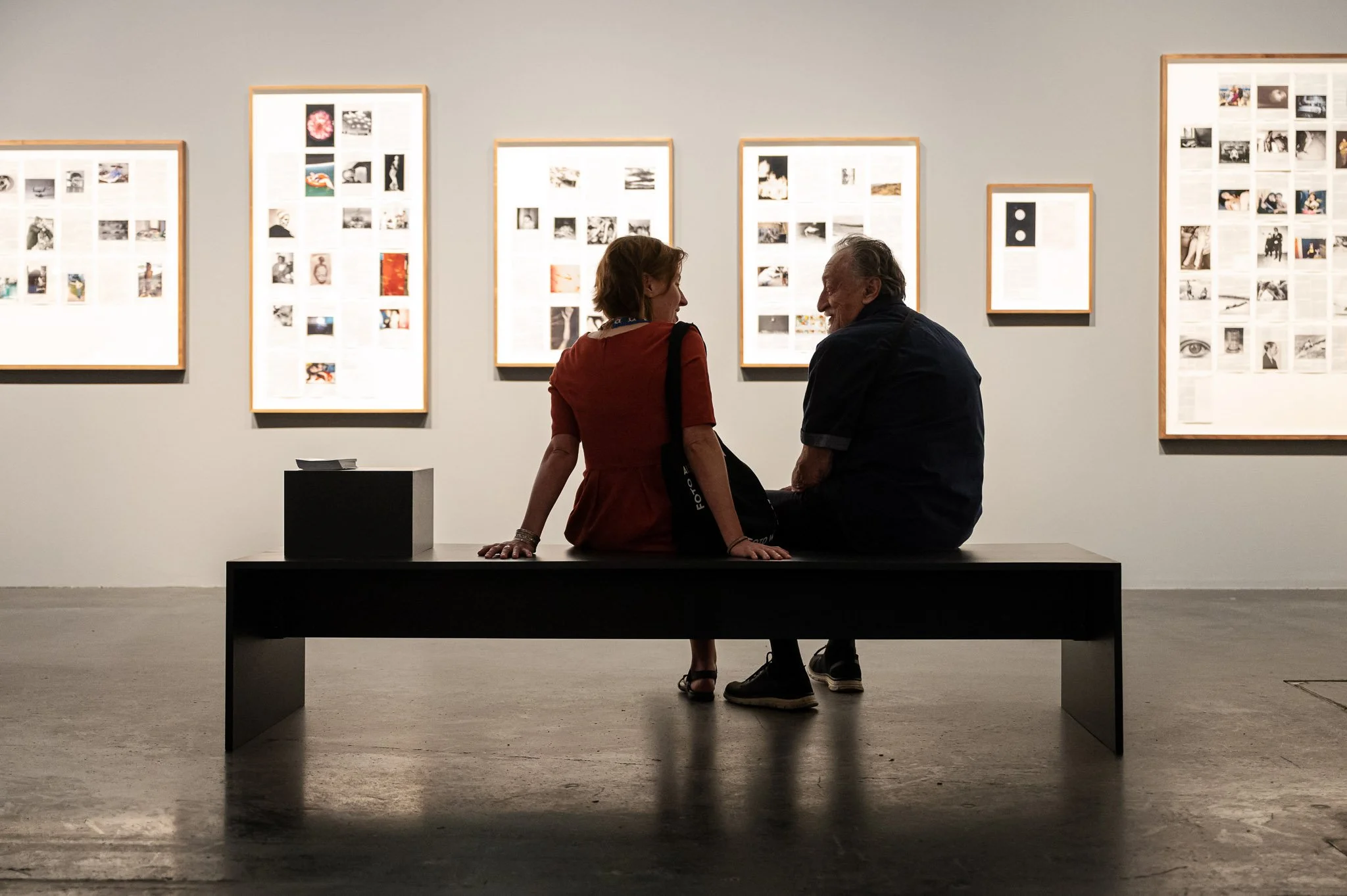
Curator Kateryna Radchenko and Boris Mikhailov in deep conversation before FOTO WIEN was officially opened - know important persons will enable such shots.
Events with hundreds of people, complex schedules, and multiple things happening simultaneously. Without a thorough briefing, even with years of experience, I'd miss critical moments. With a good brief, I know exactly where to be and when.
A good briefing contains:
The schedule. Not "the event starts at 7." The actual program. When doors open, when speeches happen, when the surprise announcement drops, when the after-party begins. Bonus: If the schedule is changing, chances are you are notified about them since you got the agenda upfront!
The VIP list. With photos if possible. At a gala with three hundred guests, I need to know which thirty people matter most for your documentation.
Must-have moments. The award handover. The sponsor speech. The unveiling. The surprise-present! If it's important, I need to know in advance.
Brand guidelines. Logo placement matters. Color schemes matter. If your sponsor needs their banner visible in at least ten photos, tell me.
Off-limits areas. Press restrictions, private conversations, areas where photography isn't welcome. Better to know this before I walk in with a camera.
Fifteen minutes of briefing saves hours of regret. This is not complicated. It just needs to happen.
Mistake 2: Booking Too Late
Good event photographers are not sitting around waiting for your call.
The best ones - the ones with specific experience in your type of event, the ones with references you can check, the ones with reliable delivery systems - are booked weeks or months in advance. Especially during Vienna's cultural high season (September through December, when every institution is opening something).
What late booking actually costs you: When you book two weeks before a major event, you're not choosing the best photographer for the job. You're choosing whoever's available. These are different categories.
I've been booked for events like the Foto Arsenal Wien Grand Opening a year before the actual date. That's normal for significant events.
The sweet spots:
Standard corporate events or exhibition openings: 2-3 months ahead
Major galas, conferences, or institutional launches: 4-6 months ahead
Recurring annual events: Book before the previous edition is over (seriously)
Anything during September-December in Vienna: As early as possible
The earlier you book, the more likely you'll get someone who actually specializes in your type of event, rather than someone who just happens to have Thursday free.
Mistake 3: Not Clarifying Usage Rights
This is where I watch otherwise smart people make expensive assumptions.
The assumption: "I paid for the photography, so I own the photos." This is almost certainly not true, and acting on it can create real legal problems.
The nightmare scenario: You commission event photos, receive them, use them in a major advertising campaign. The photographer sends an invoice for commercial licensing that's three times the original fee. You check the contract. The contract says "editorial use." They're right. You owe the money.
This isn't hypothetical. I've heard versions of this story from multiple event organizers in Vienna.
How to avoid it:
Discuss usage before booking.*Not after. Before you sign anything, be clear about every way you intend to use the images: press, social media, website, paid advertising, annual report, sponsor packages, future event promotion.
Get it in the contract. Verbal agreements about "use them however you want" are worth nothing when there's a dispute.
Ask about exclusivity and duration. Can you use the photos indefinitely? Can the photographer also use them in their portfolio? Is there an exclusivity period?
For a deeper dive, I've covered this in what you need to know about image rights at cultural events
The conversation takes ten minutes. Skipping it can cost thousands.
Mistake 4: No Delivery Timeline in the Contract
"When will the photos be ready?"
If the answer to this question is anything other than specific dates, you have a problem you just don't know about yet.
What "soon" actually means: It means the photographer will edit when they feel like it, deliver when they're done, and your press deadline, social media calendar, and sponsor report will all wait. Your marketing team will send increasingly desperate emails. The photographer will feel pressured and do rushed work. Everyone loses.
What a proper delivery structure looks like:
Press selection (15-30 key images, lightly edited): Same evening or within hours of the event ending. The selection is best coordinated with the event organiser
Social media package (web-optimized, cropped for platforms): Within 24 hours
Full edited gallery: Within 48-72 hours
Archive-quality files: Within one week
These are the milestones I use for events like the Polaroid Still Lifes at Ostlicht Gallery or movie theater premiere "Mit einem Tiger schlafen", a 2024 documentary film premiere about renowned Austrian artist Maria Lassnig. The specific timelines can be adjusted based on the event, but the principle is always the same: concrete dates, written down, agreed upon in advance.
Your press team needs photos while the event is still news. Your social media person needs content while engagement is high. Your sponsor relations manager needs branded shots before the next board meeting. "When they're ready" serves none of these people.
Mistake 5: Wrong Type of Photographer for the Job
This is the mistake that looks invisible on paper and becomes obvious in the results (aka when it’s too late)
Photography specializations exist for a reason. A wedding photographer, a corporate headshot photographer, a product photographer, and a cultural event photographer all use cameras. That's roughly where the similarity ends.
Each specialization develops different knowledge, different instincts, different reflexes, different equipment choices:
Wedding photographers are trained to capture emotion and romance. Put them at a corporate conference and they'll produce beautiful portraits of the CEO but miss the panel discussion entirely. Your marketing team gets photos they can't use for the conference recap, which means the recap doesn't get published, which means the 500 attendees who might have shared it with their network don't.
Portrait photographers know how to make one person look great in controlled conditions. Put them at a gala with three hundred people in variable light and they'll struggle with the pace. You end up with twenty gorgeous headshots and zero atmosphere images - which means your event website next year has nothing that says "you should have been here."
Corporate event photographers know conferences and breakout sessions. Put them at a [Westlicht exhibition opening](https://galleries.seirer-photography.com/Events/2023/2023-09-14-Westlicht-World-Press-Photo-Eroeffnung) and they might not understand why the curator's walkthrough is the most important moment of the evening. The photos they deliver document a party. The photos your institution needs tell the story of the exhibition.
Cultural event photographers understand institutional rhythms, know who matters in the cultural world, and can navigate spaces like museums and theaters where technical restrictions are strict. They might not deliver the best wedding photos though ;)
The fix is simple: Ask what types of events they primarily shoot. Look at their portfolio for events similar to yours. If someone's portfolio is 80% weddings and you're planning a tech conference, the mismatch won't show up in the quote - it'll show up in the gallery, when your communications team realizes they have nothing that serves their actual content plan. Also check, if they offer all kinds of photography or have really specialized in one or two areas.
The Common Thread
All five mistakes share the same root cause: a conversation that should have happened but didn't.
The briefing conversation. The booking-timeline conversation. The usage-rights conversation. The delivery-schedule conversation. The "are you actually the right person for this job" conversation.
None of these are difficult. None of them take more than fifteen minutes. And any of them, skipped, can turn your event photography from an asset into a headache.
The good news: now you know. And knowing means you can plan around every single one of these.