
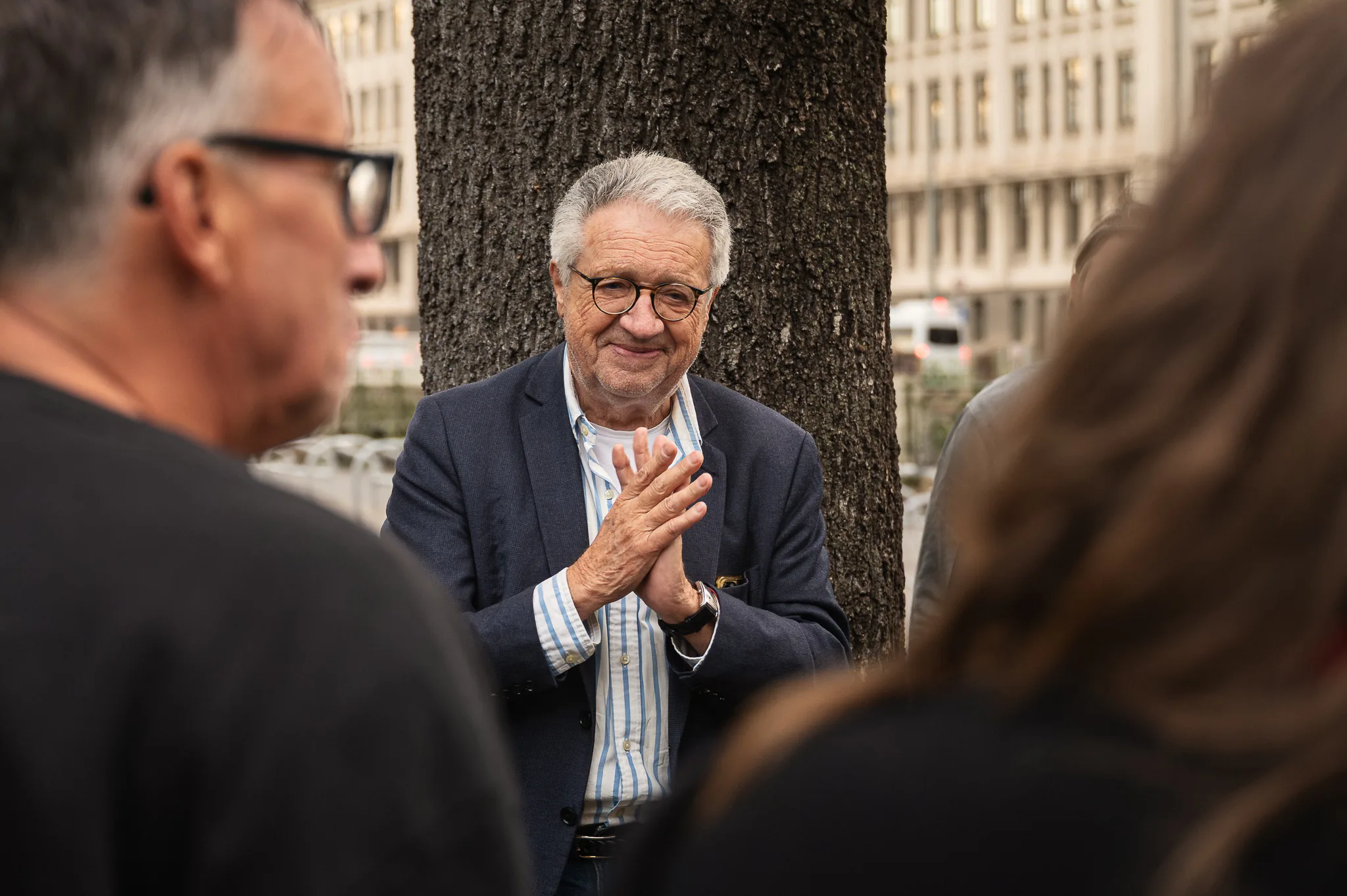
“Klassenkampf am grünen Tisch” (class struggle at the green table) was one of Bruno Kreisky’s favourite phrases. It stands for fighting social battles by negotiating instead of on the barricades. It became the motto of my evening on 22 September: first a walk through Vienna on Kreisky’s trail, then the preview of Bruno – Der junge Kreisky at Filmcasino. #jungerkreisky
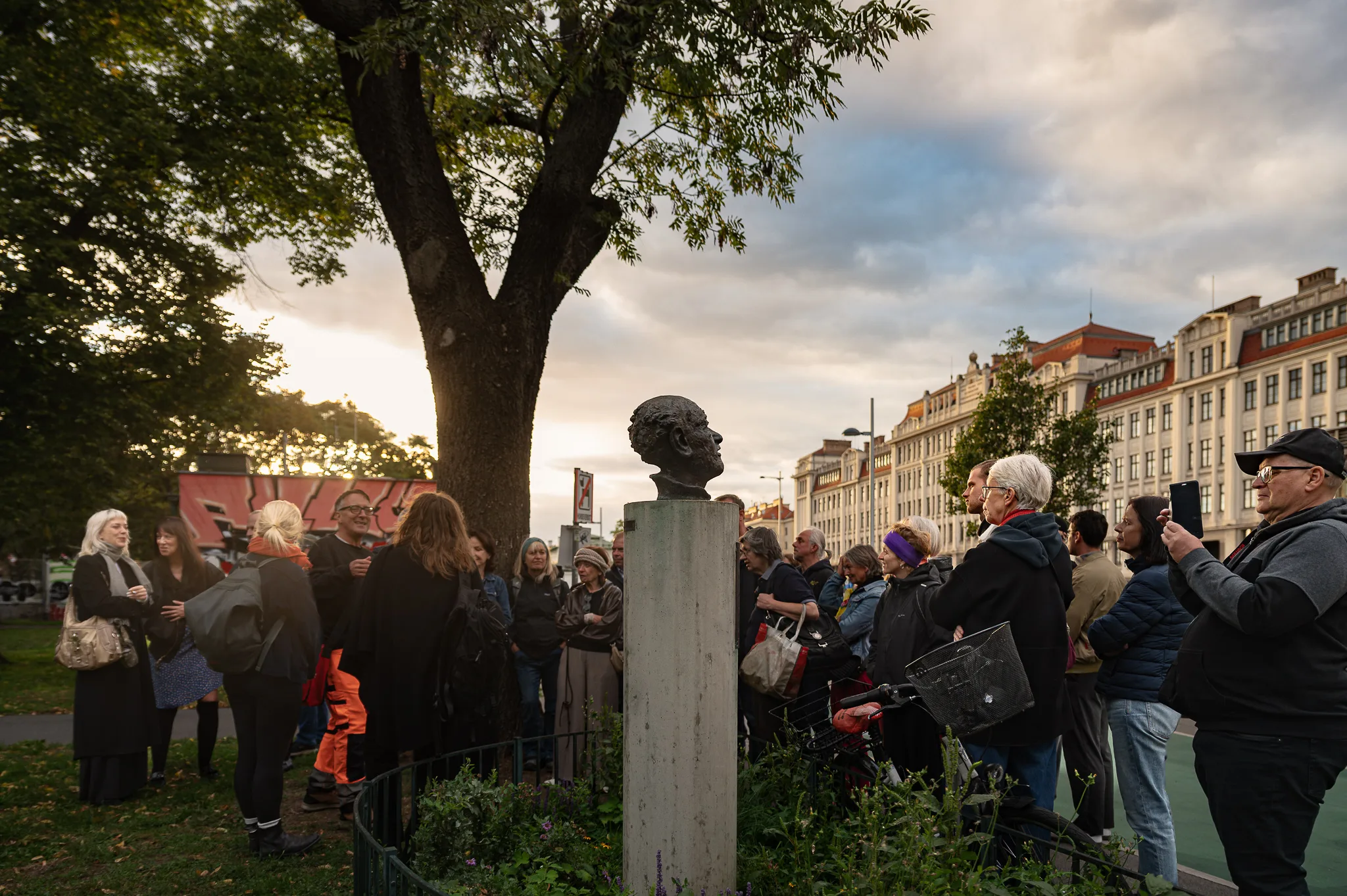
On foot: “Demokratie braucht Bewegung”
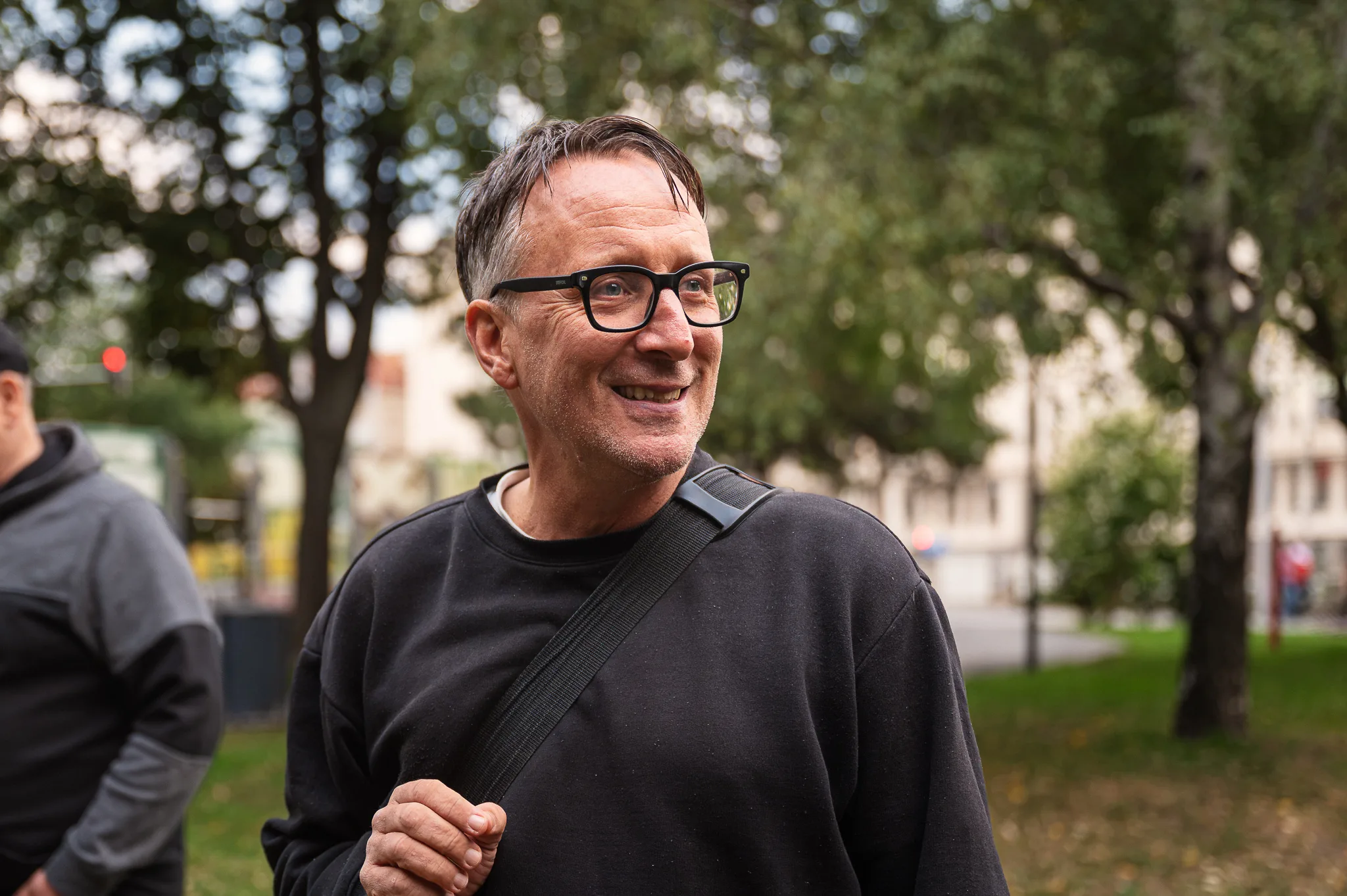
The walk Bruno Kreisky on TOUR – Demokratie braucht Bewegung! is a joint project of the Bruno Kreisky Forum and Eugene Quinn’s collective WHOOSH. It starts in Kreisky Park in Margareten, one of only four Viennese districts named after a woman. Early on we heard that democracy built on dialogue needs an engine, and that engine for Kreisky was the people who fought alongside him.
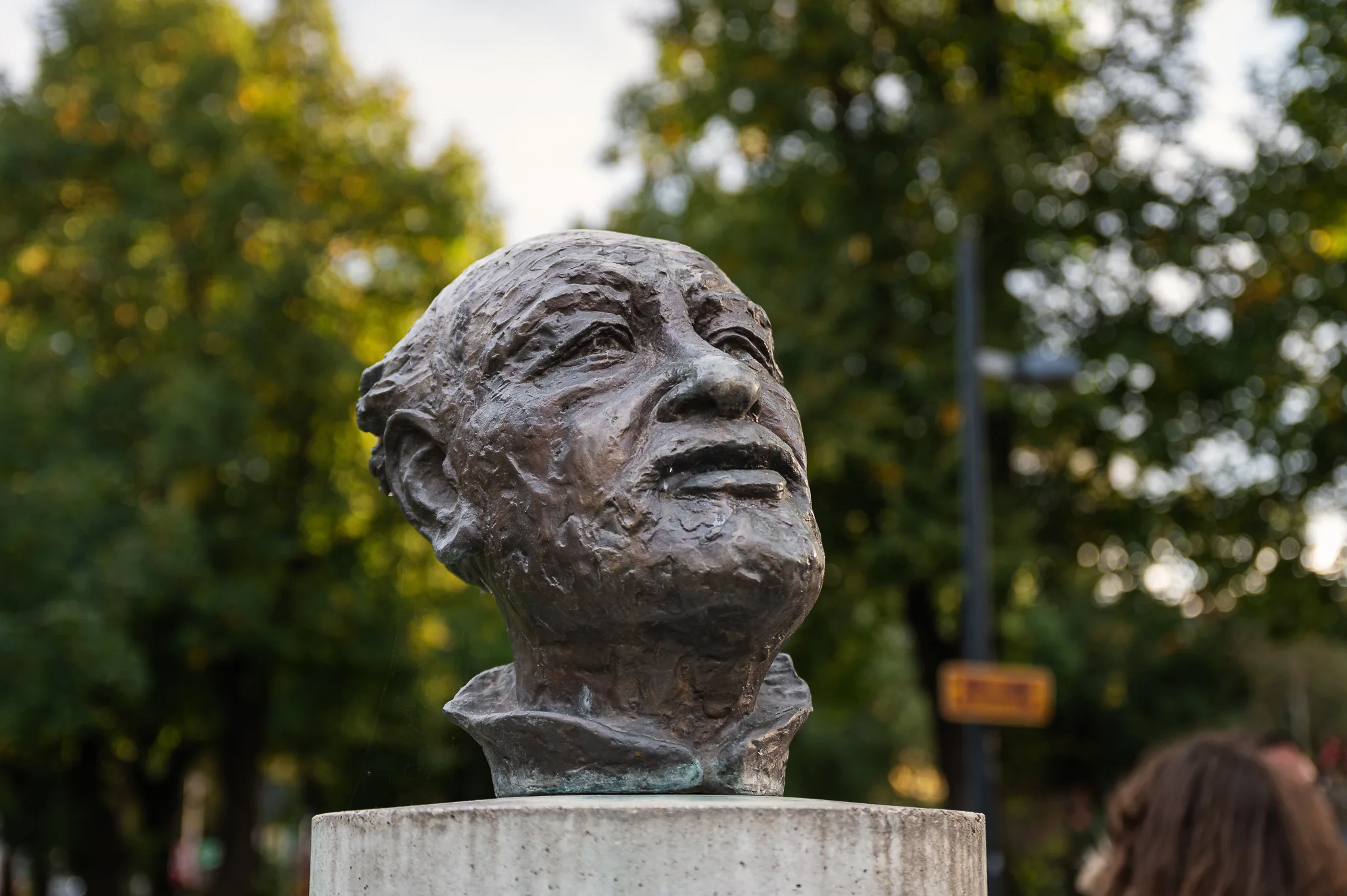
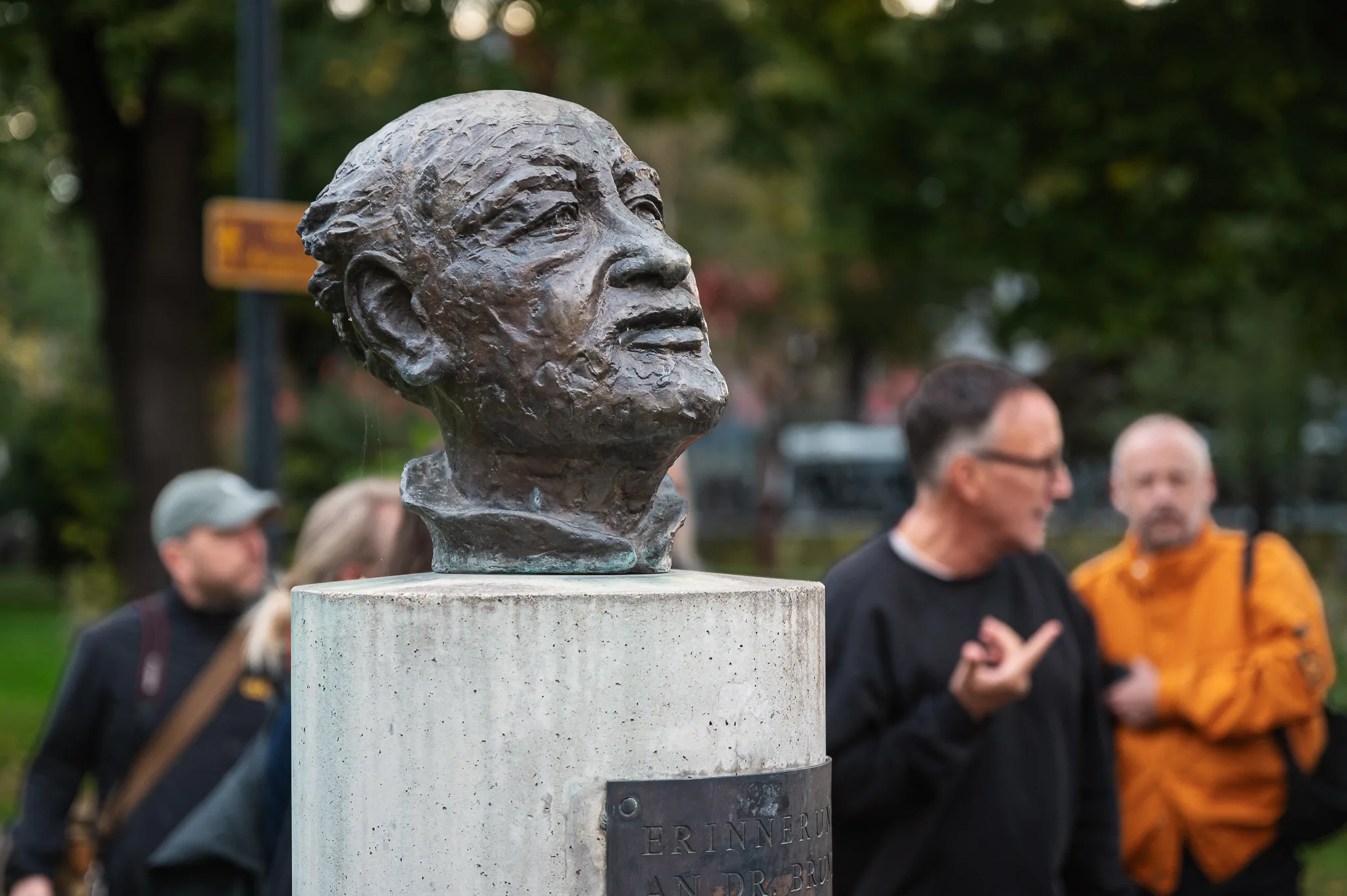
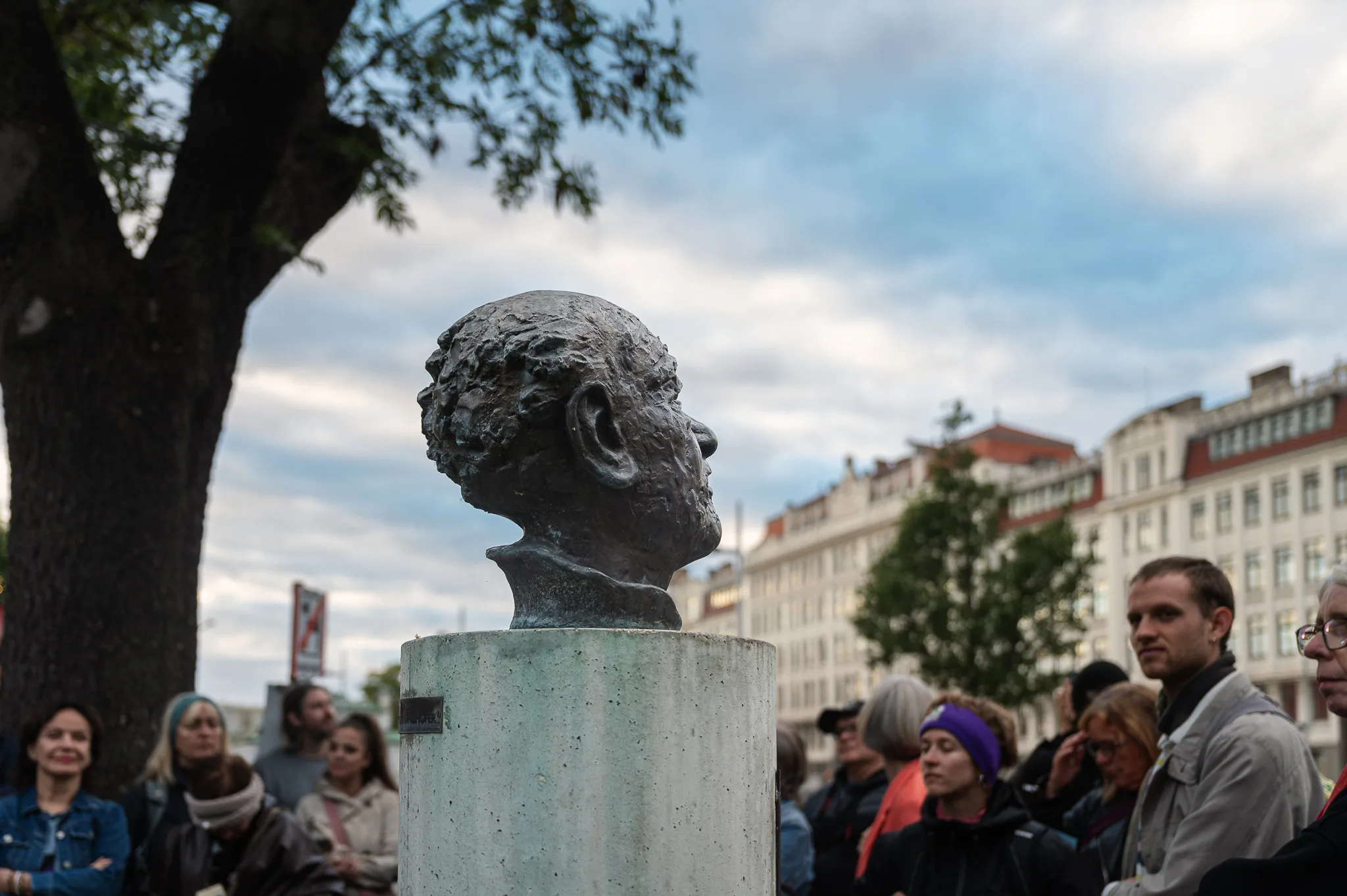
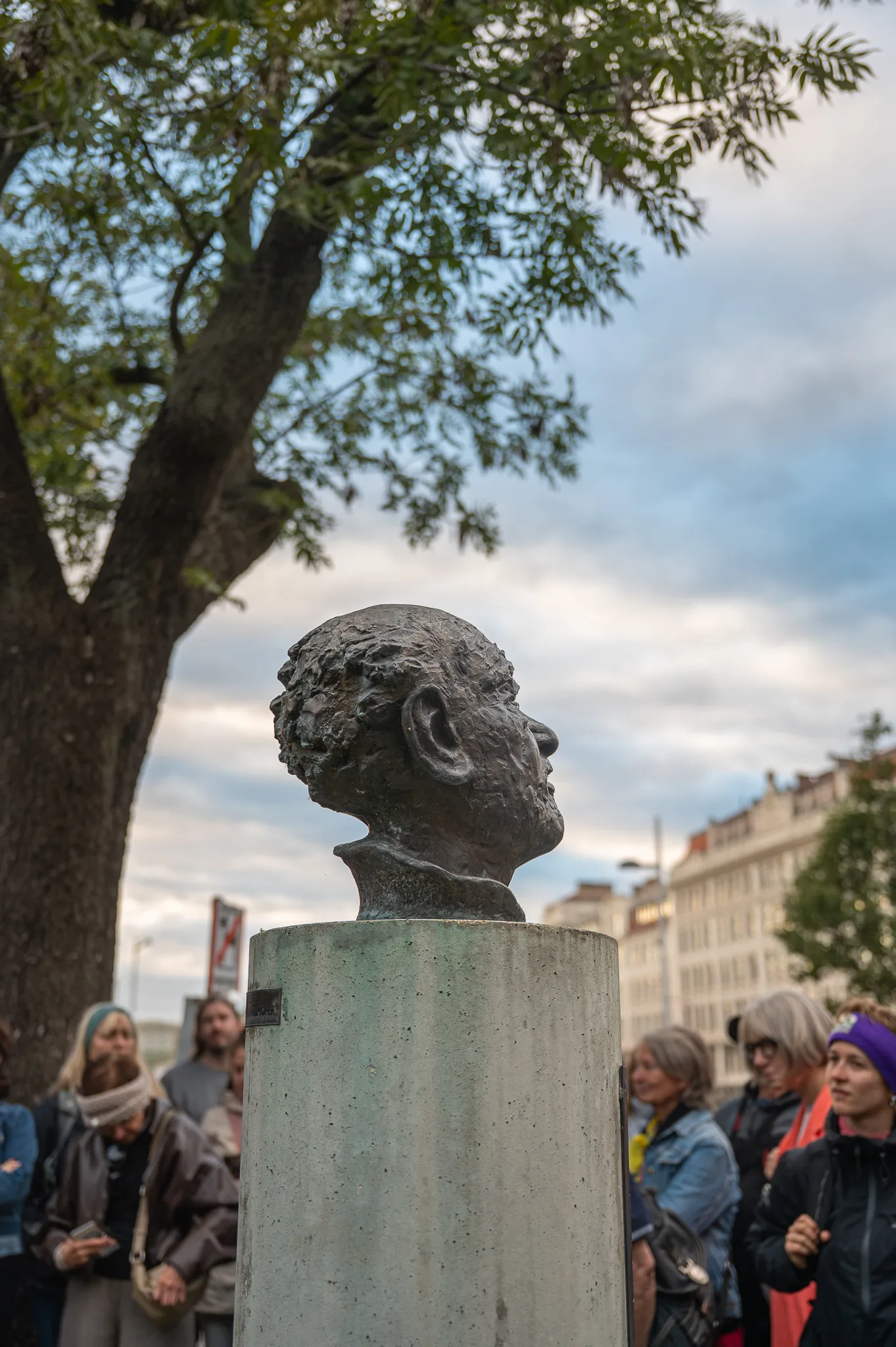
The park has a bust of Kreisky, unveiled in May 2007. Michael Ludwig, then a city councillor and now mayor, was there, and so was the Chinese ambassador. Why the ambassador came, nobody seems to know.
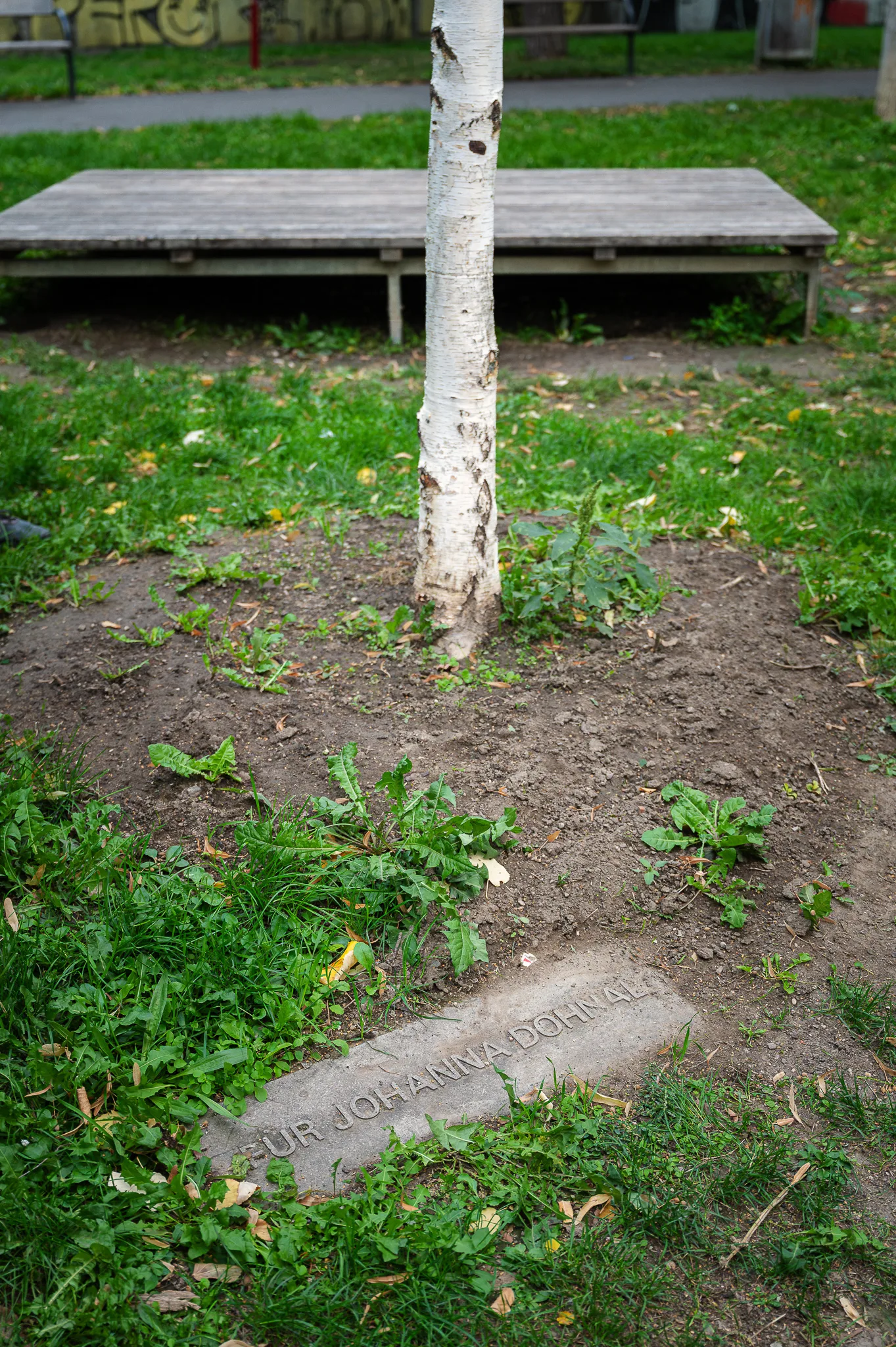
Every district also has a birch tree for Johanna Dohnal. As we heard, she was the first minister for women in Austria. She changed a remarkable number of laws and took on the patriarchy with humour. There is a quiet irony in where the birches stand: each one is in a park named after a man.
Where Bruno grew up
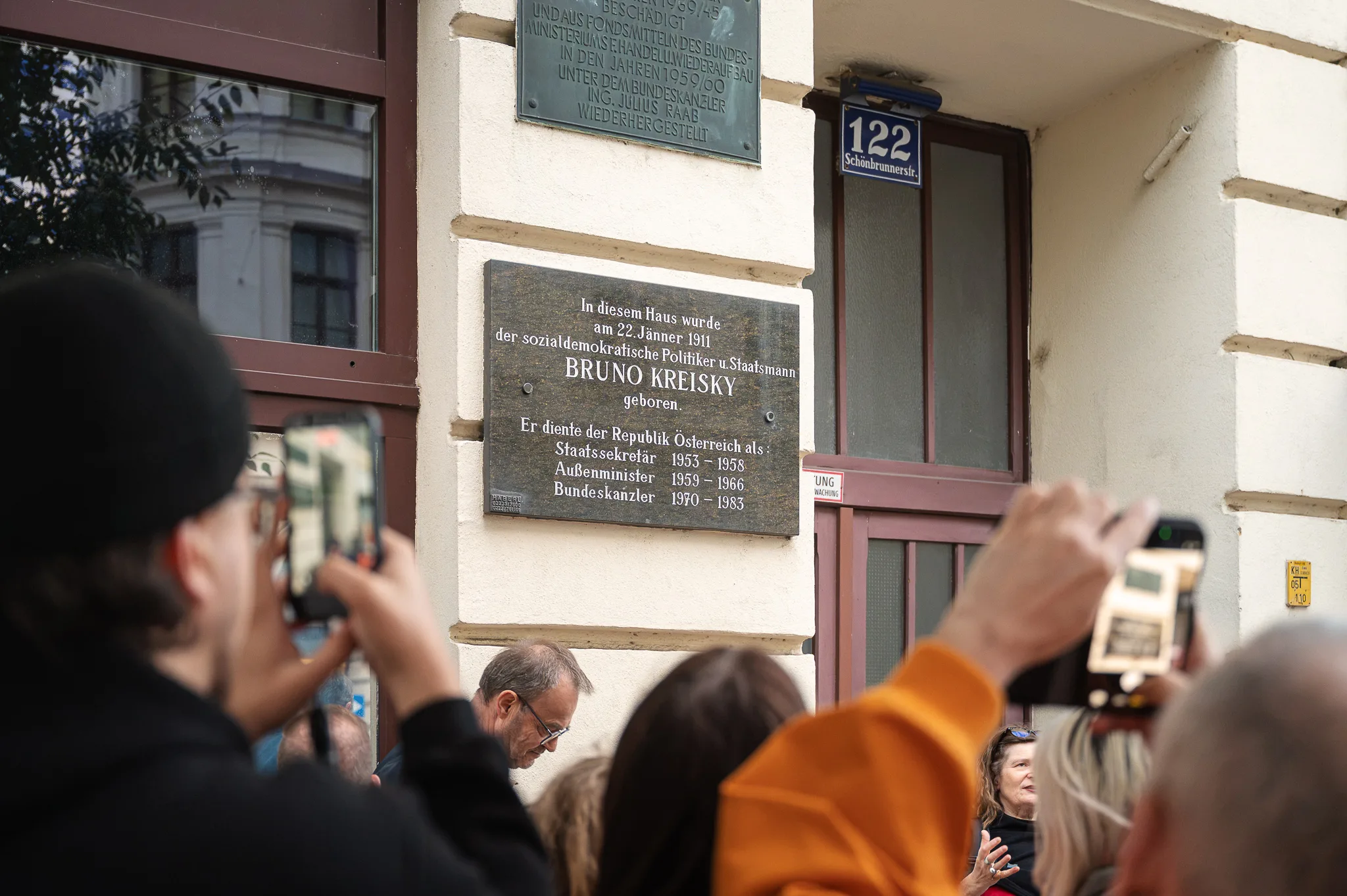
Next stop was Schönbrunner Straße 122, the Kreisky family home. His grandfather was a major industrialist, still Bruno attended a public primary school in Sonnenuhrgasse (today’s Astrid-Lindgren-Schule).
A Swedish thread
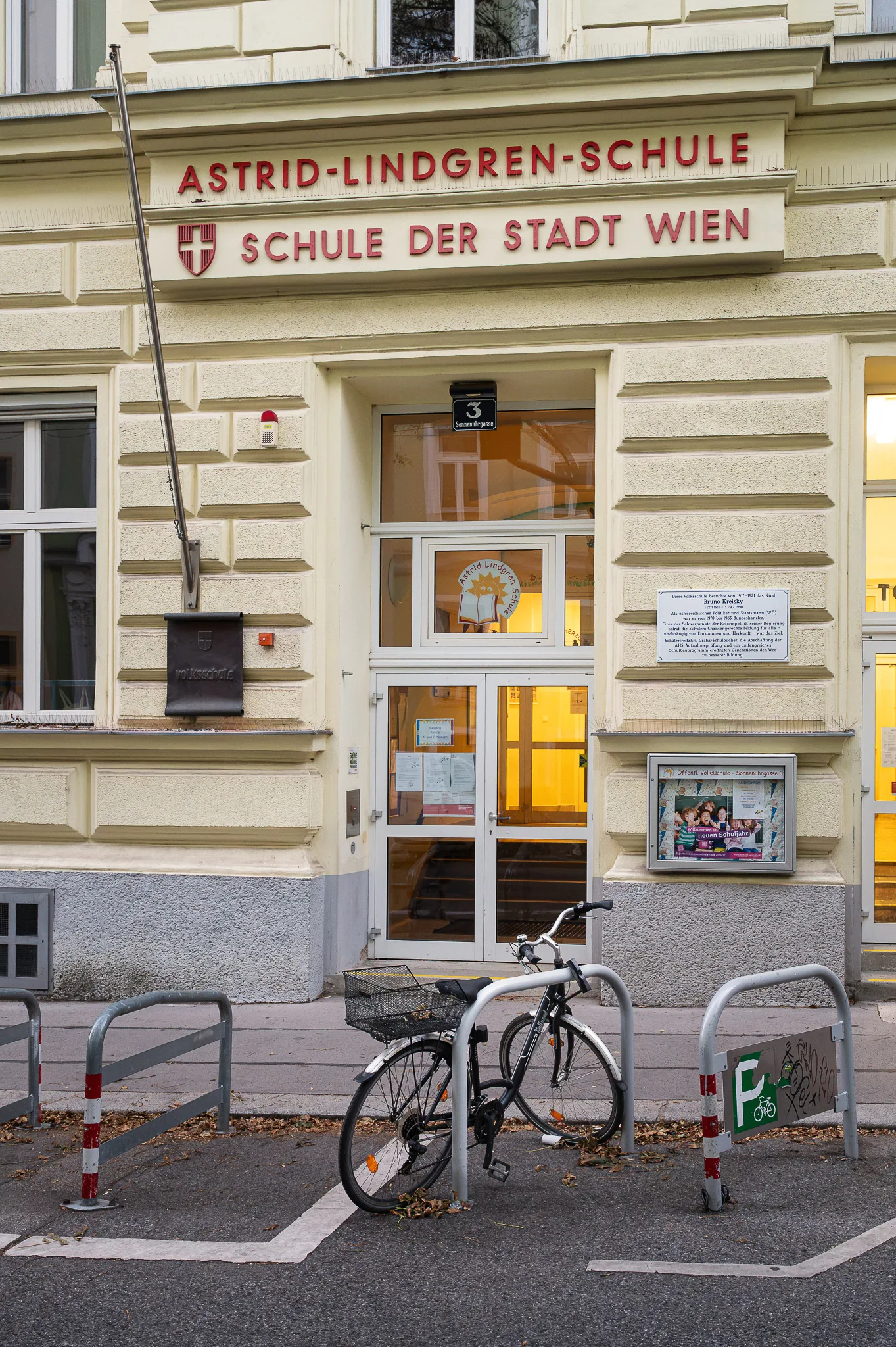
Kreisky’s school in Mariahilf is now called the Astrid Lindgren School, and the name fits. Lindgren helped push through the law in Sweden that stopped teachers, and later parents too, from hitting children. Sweden runs through Kreisky’s whole life. He fled there in 1938 and met his wife Vera there. In Sweden he learned how a democracy handles social policy, and he brought those lessons home to Austria. The result shows up in everyday life: free school books and free public transport for pupils were both his work. In Favoriten, 18 streets are named after famous Swedes.
We also heard that Kreisky could be very emotional. That is hard to picture if you only know him as the calm elder statesman.
The Bruno Kreisky Archive
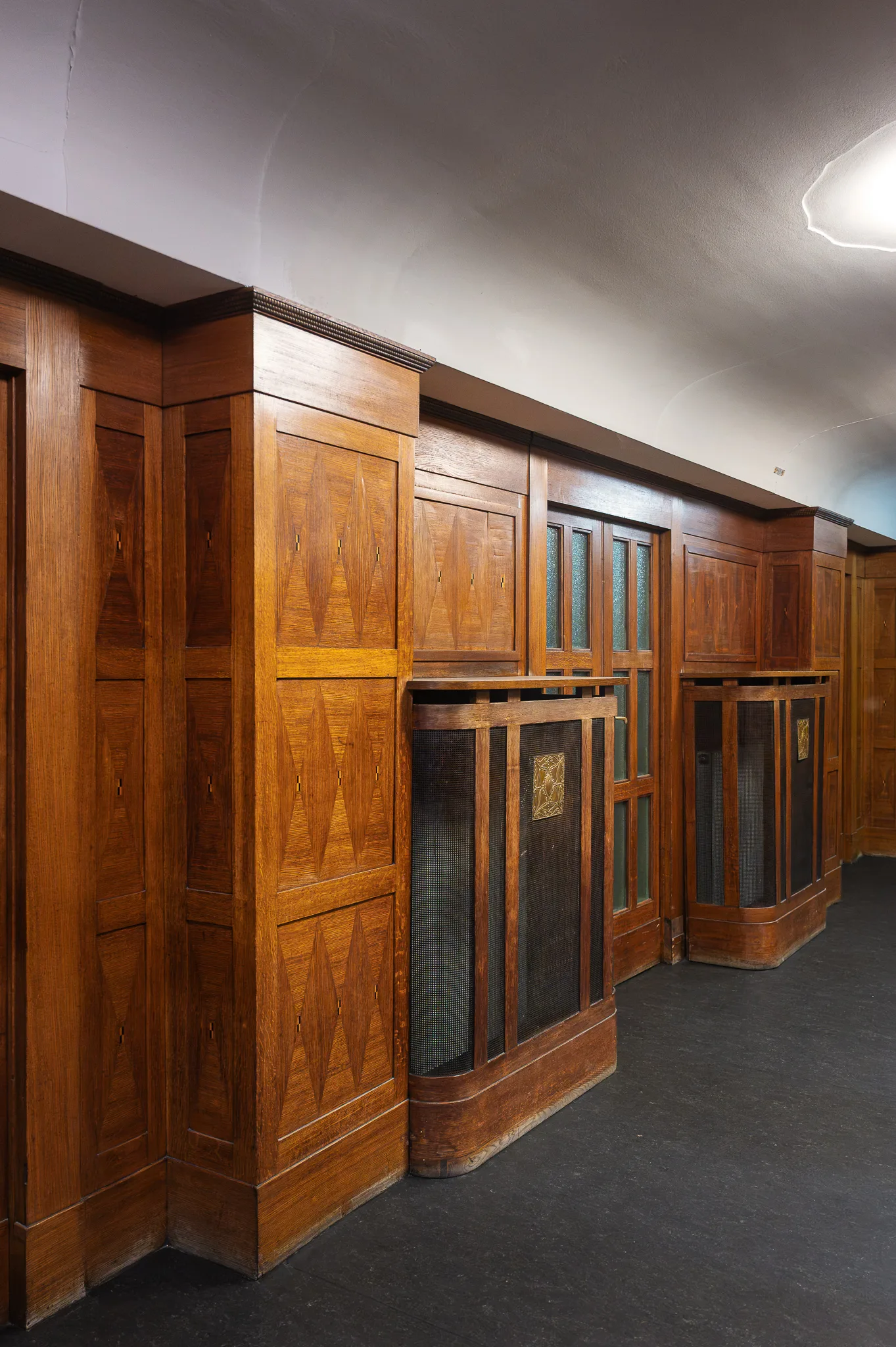
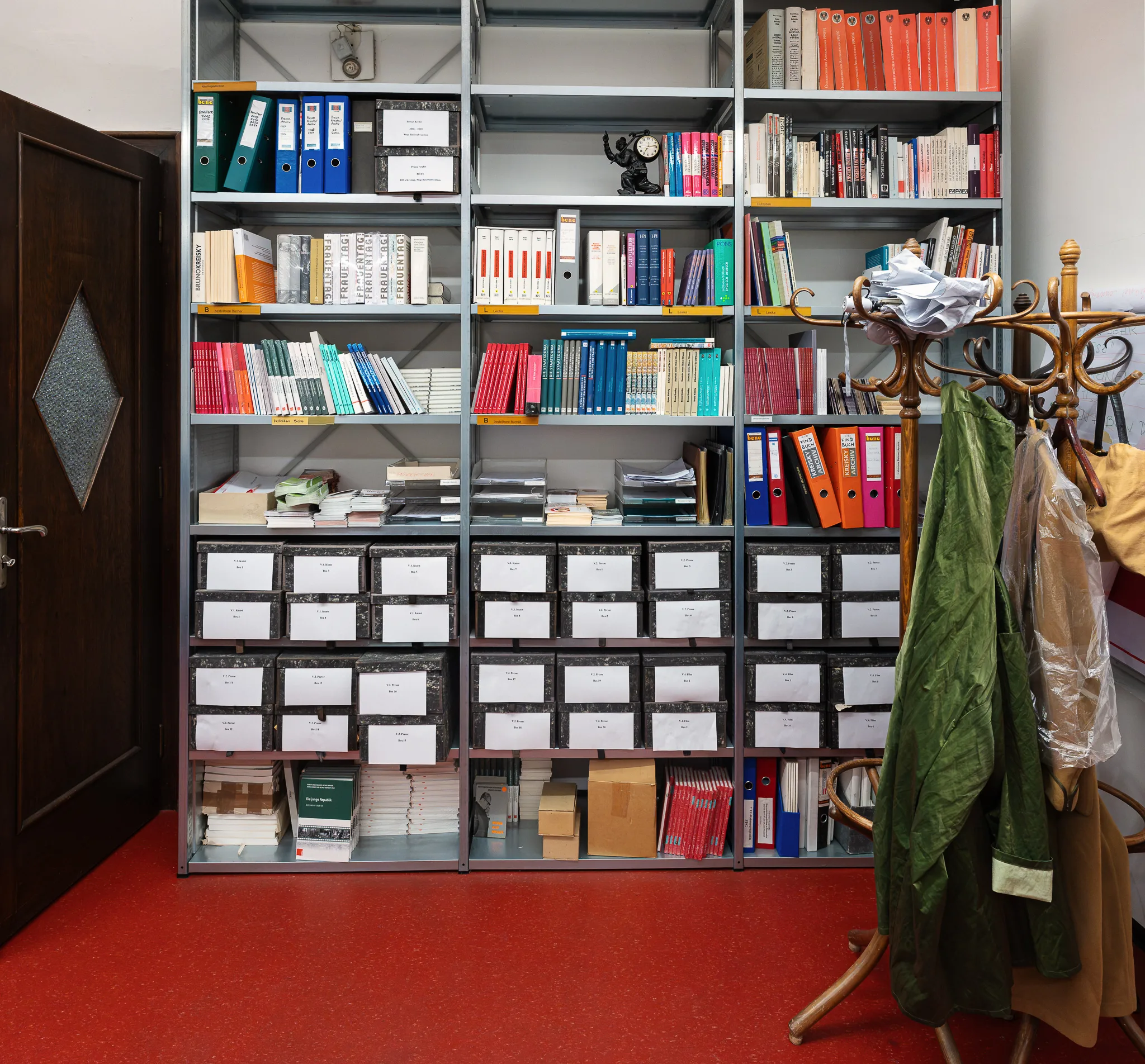
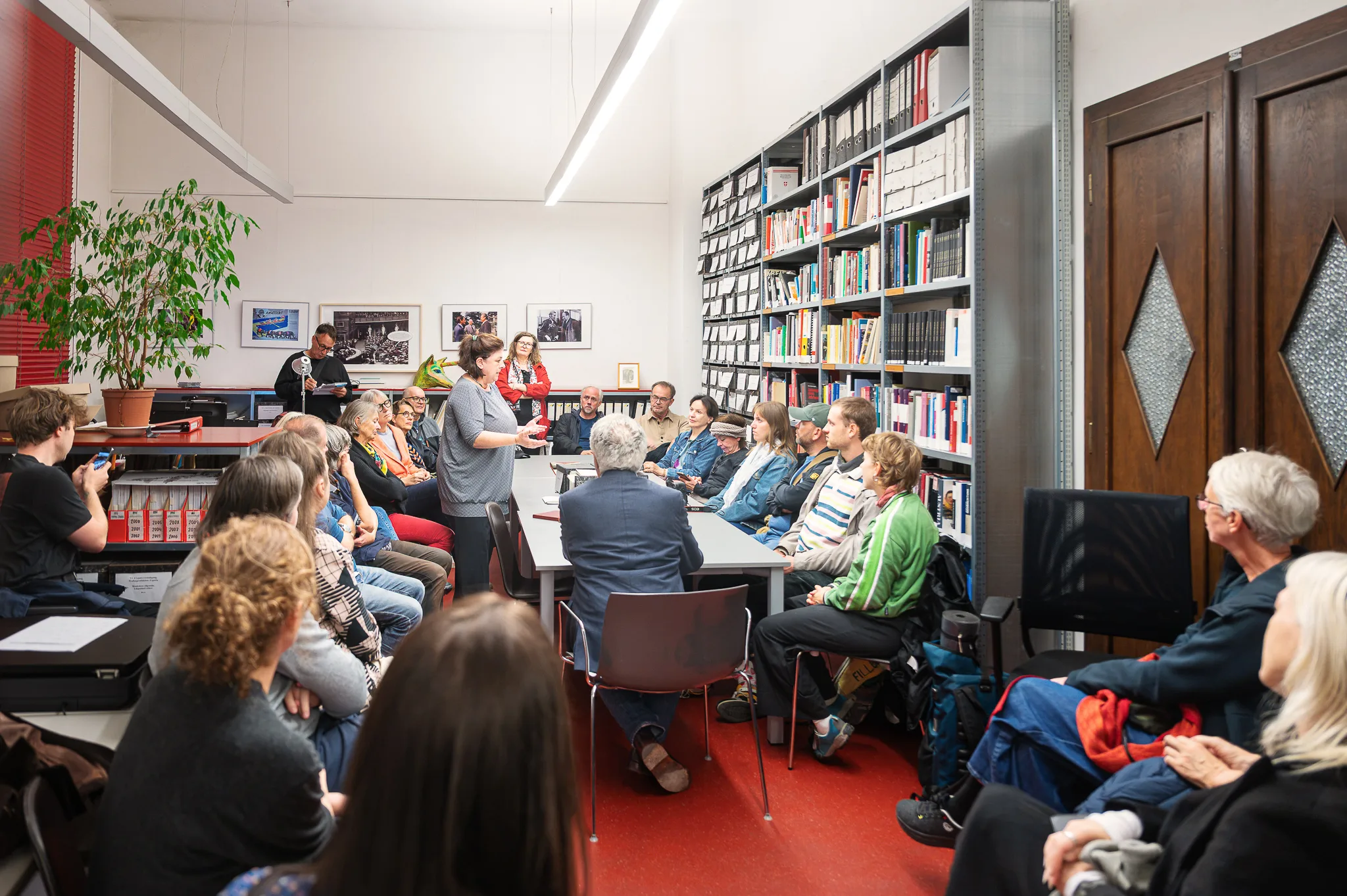
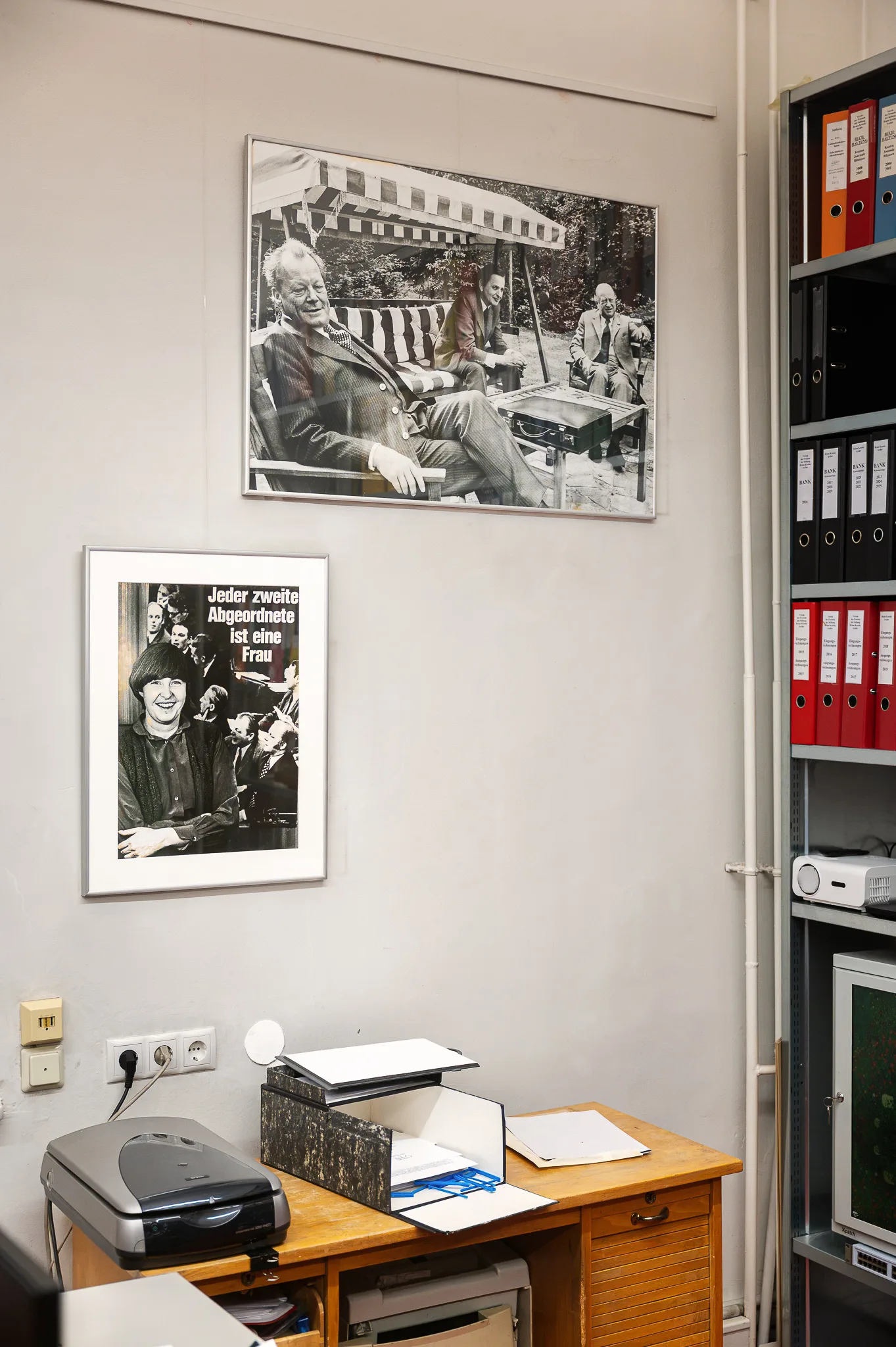
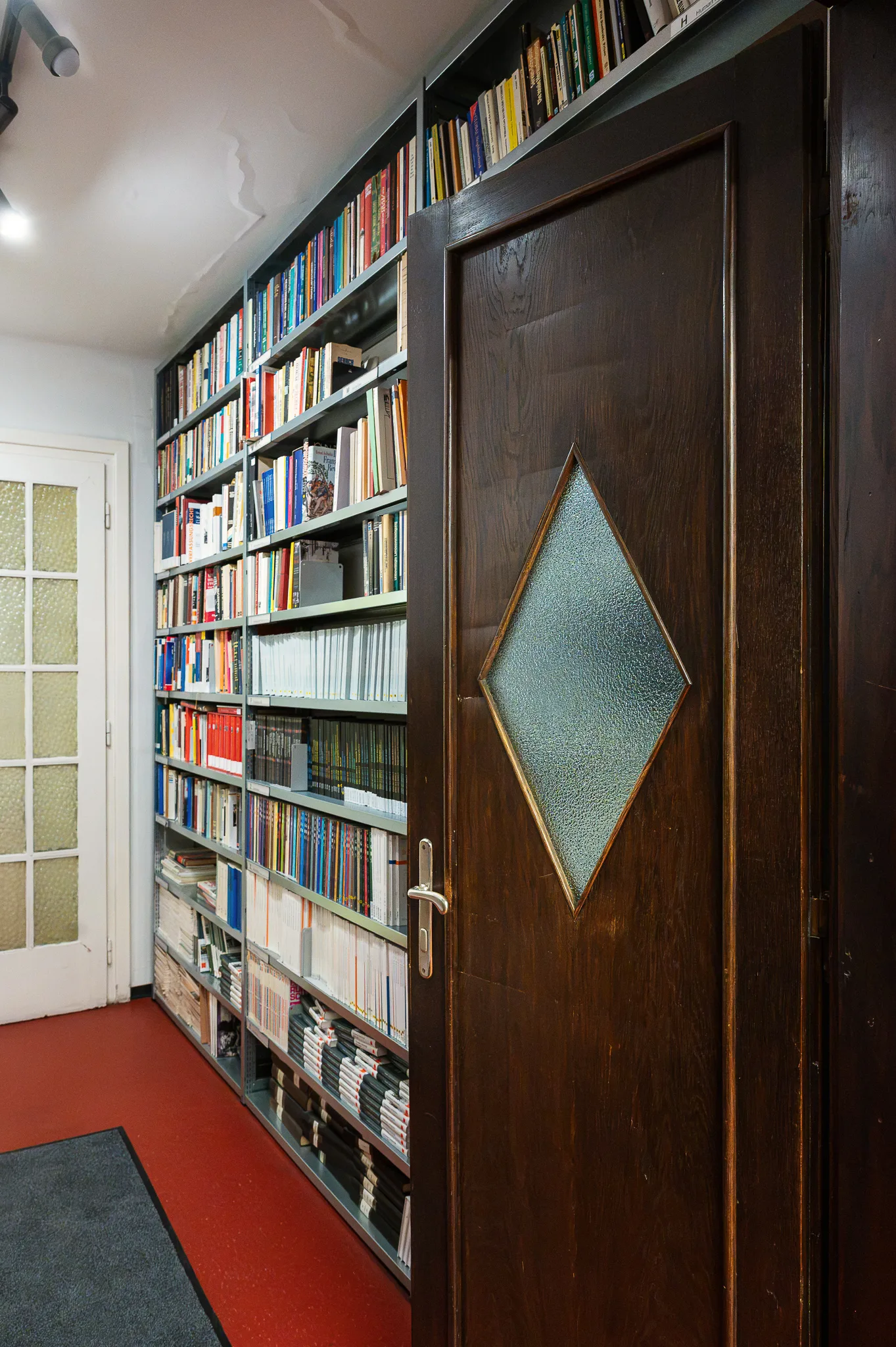
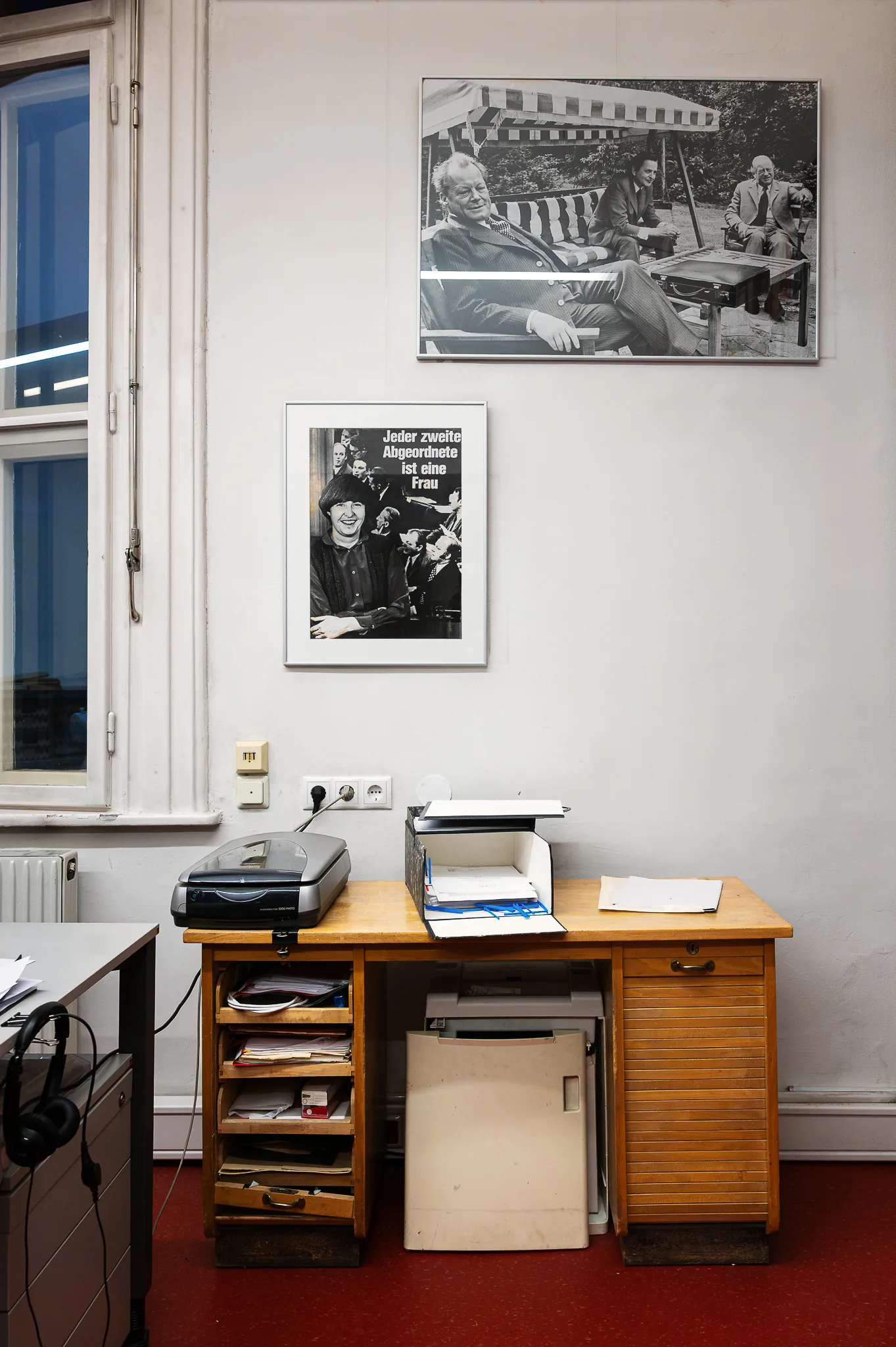
The high point was the Bruno Kreisky Archive. It is housed in the building of the former Arbeiter-Zeitung, which was the Social Democratic party headquarters until the party was banned in 1934. The paper was printed there until the 1980s.
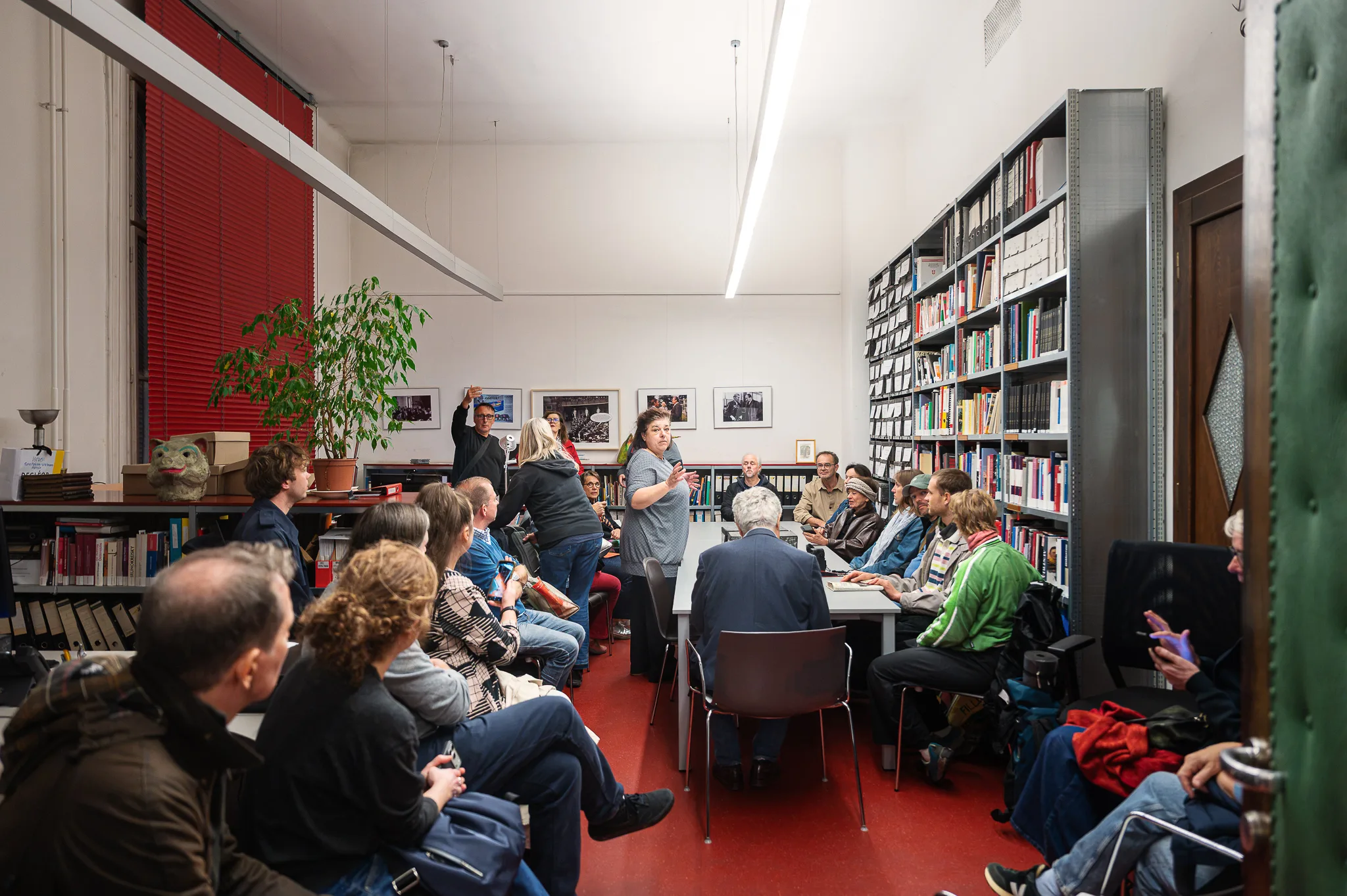
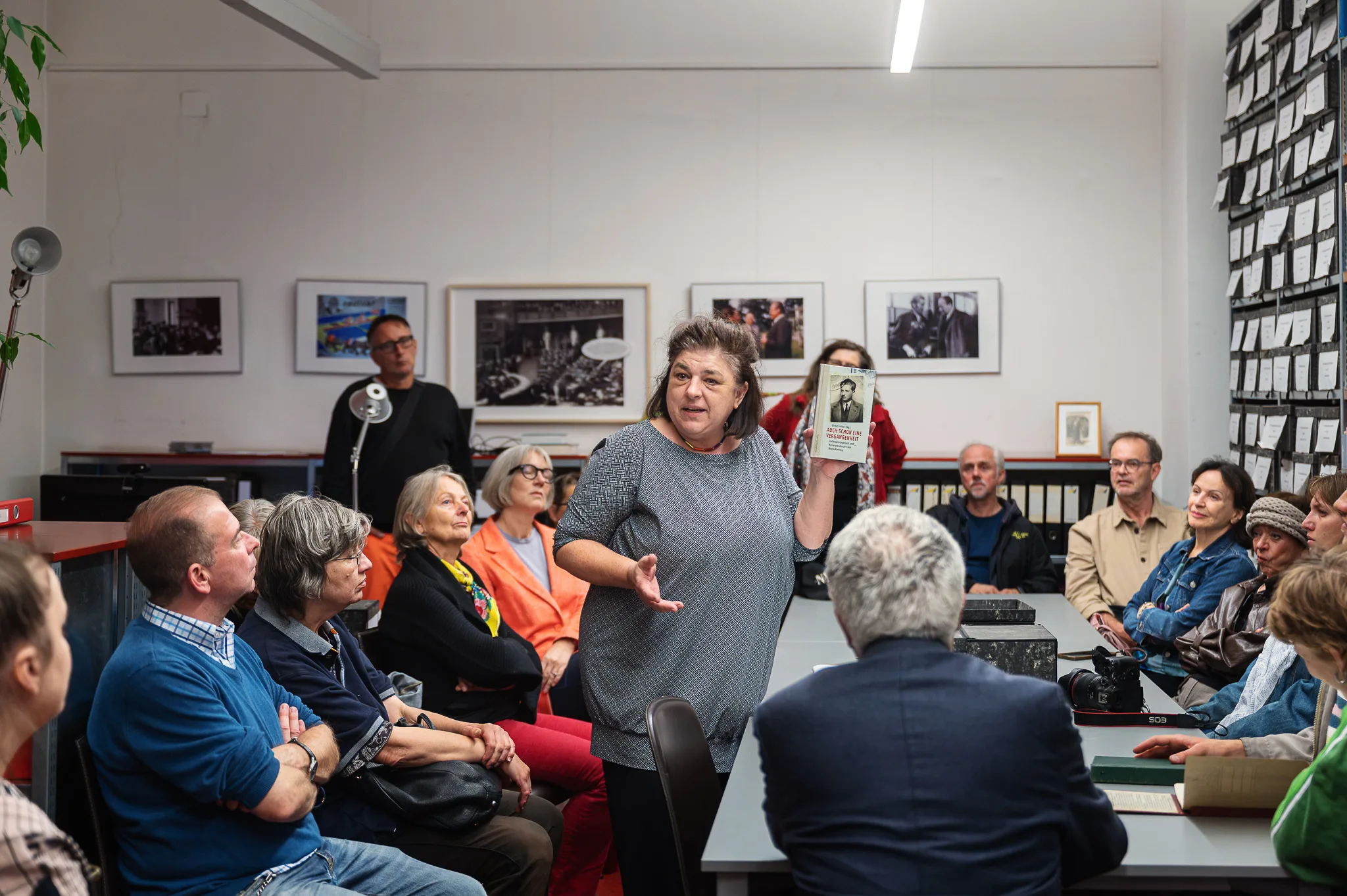
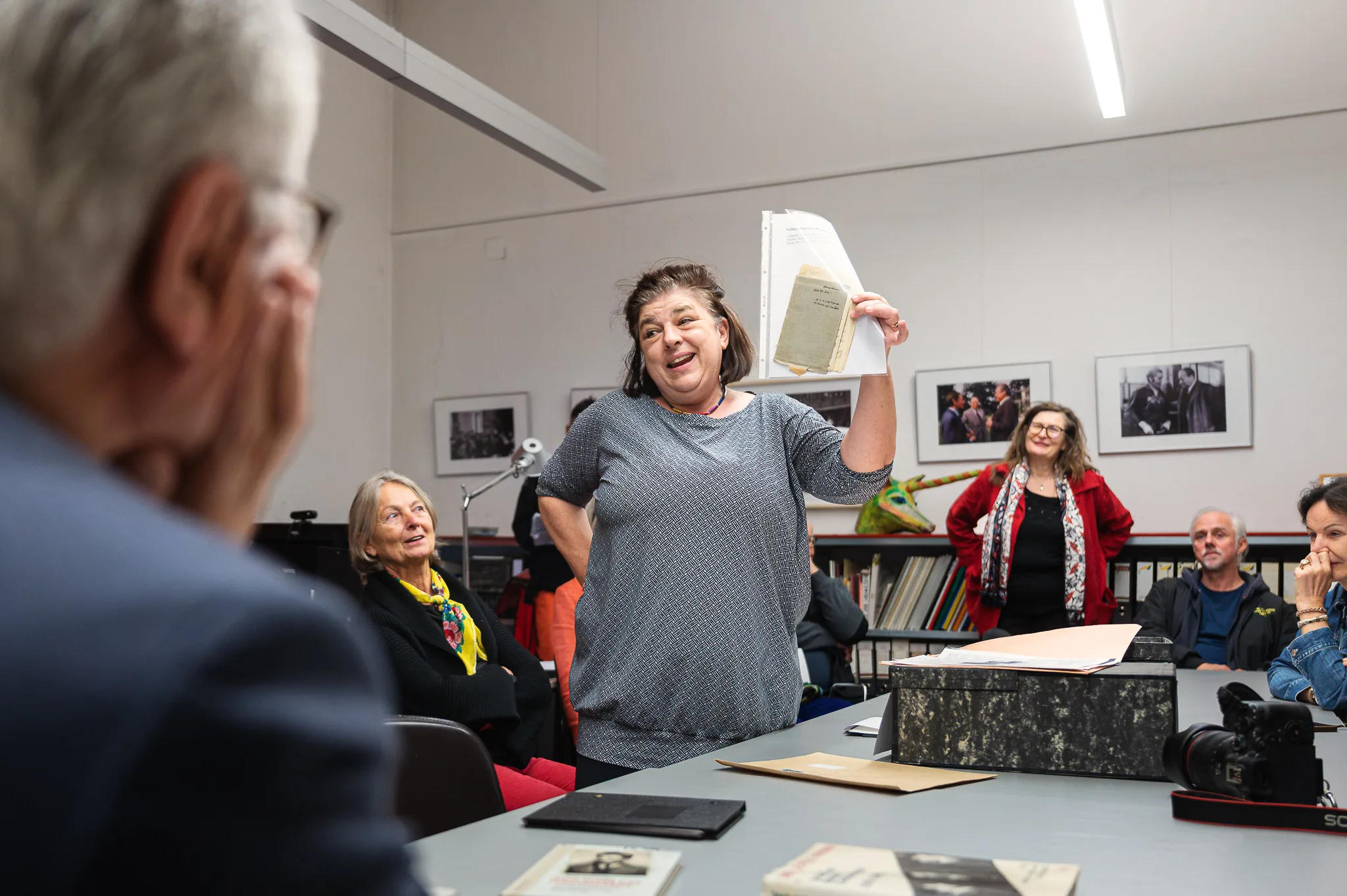
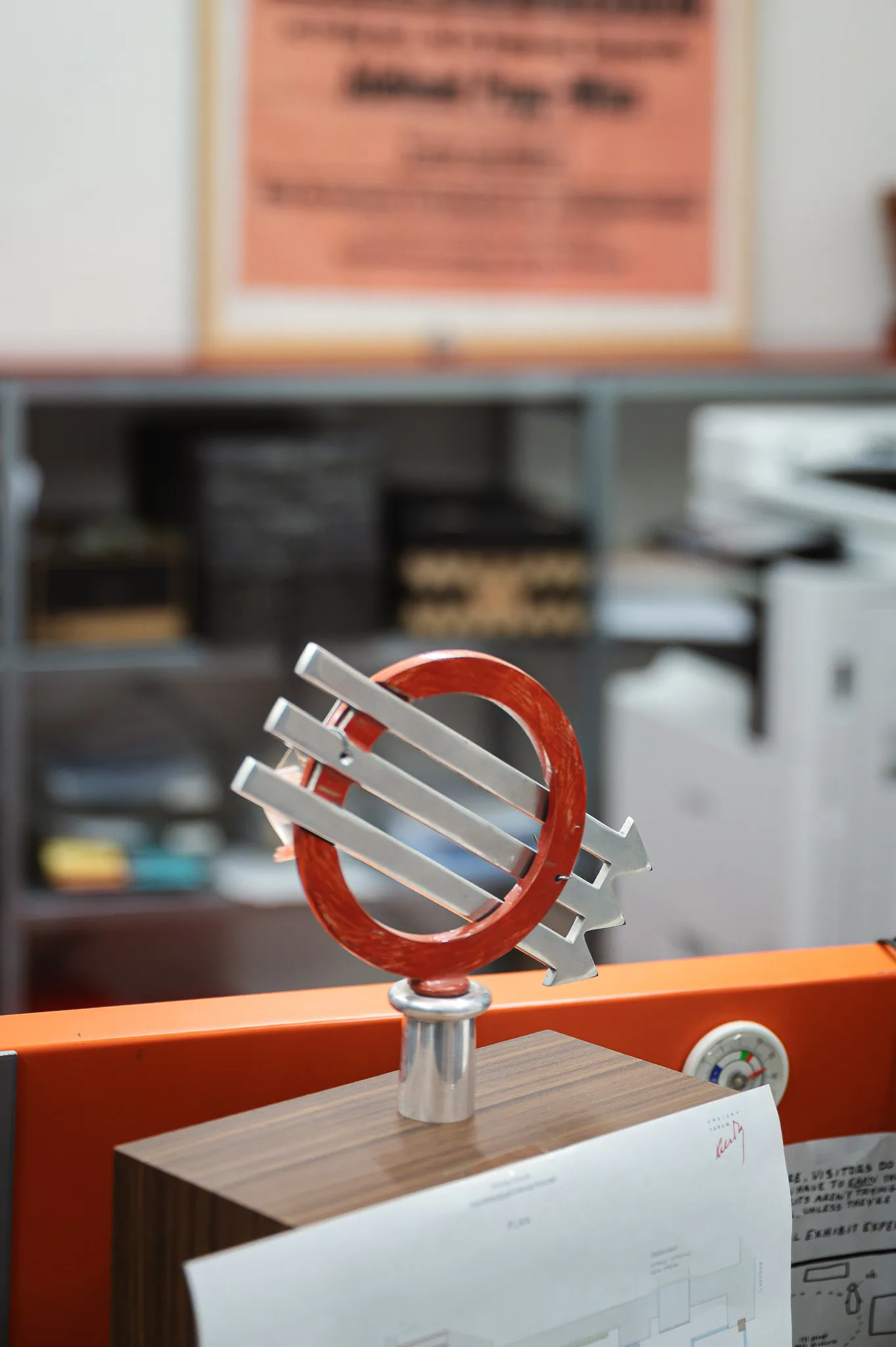
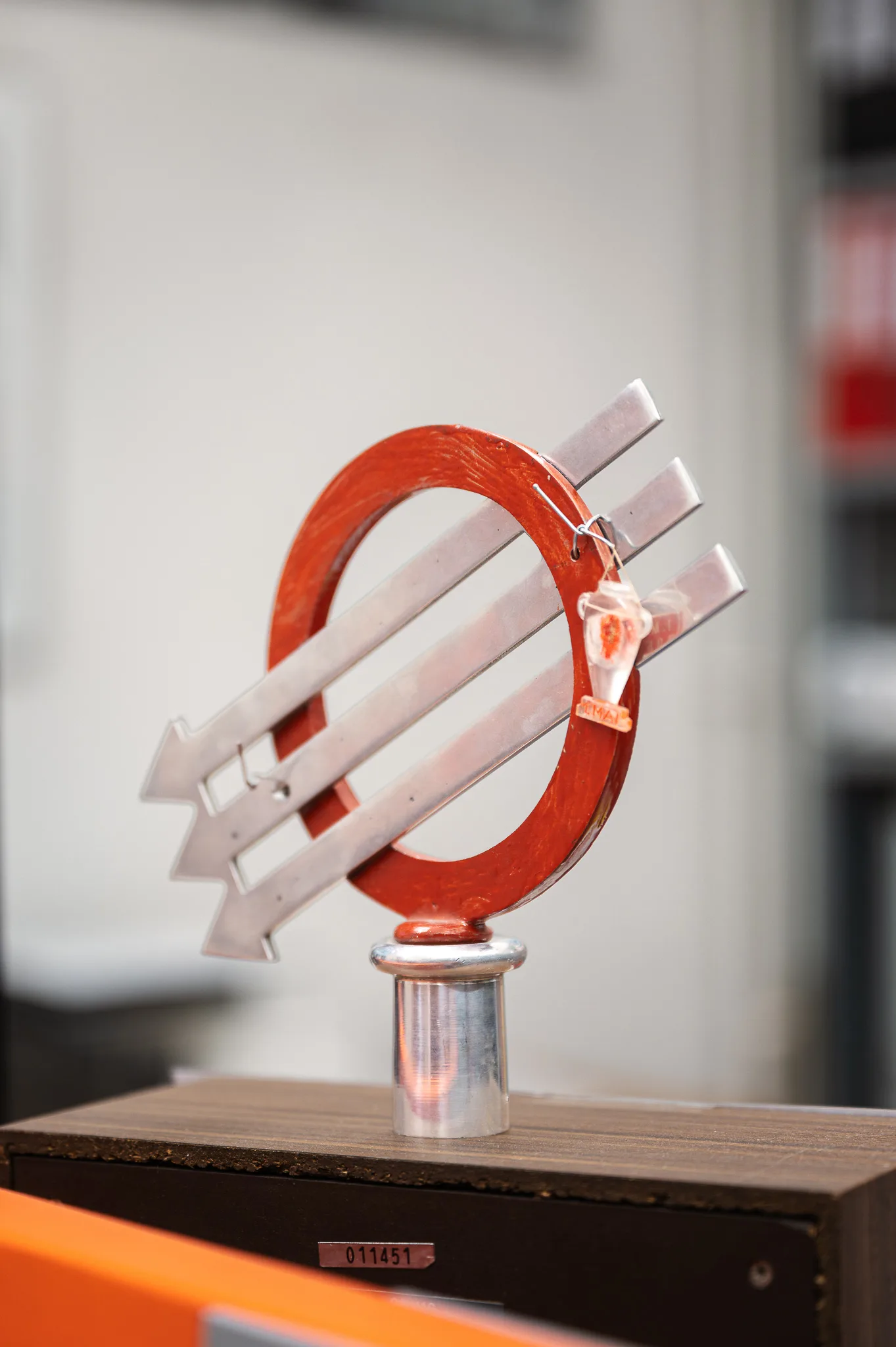
Maria Steiner looks after the collections and edits the archive’s “Find of the Month” series. She gave us an astonishing introduction to what they have collected, and you could feel her motivation and energy in every sentence.
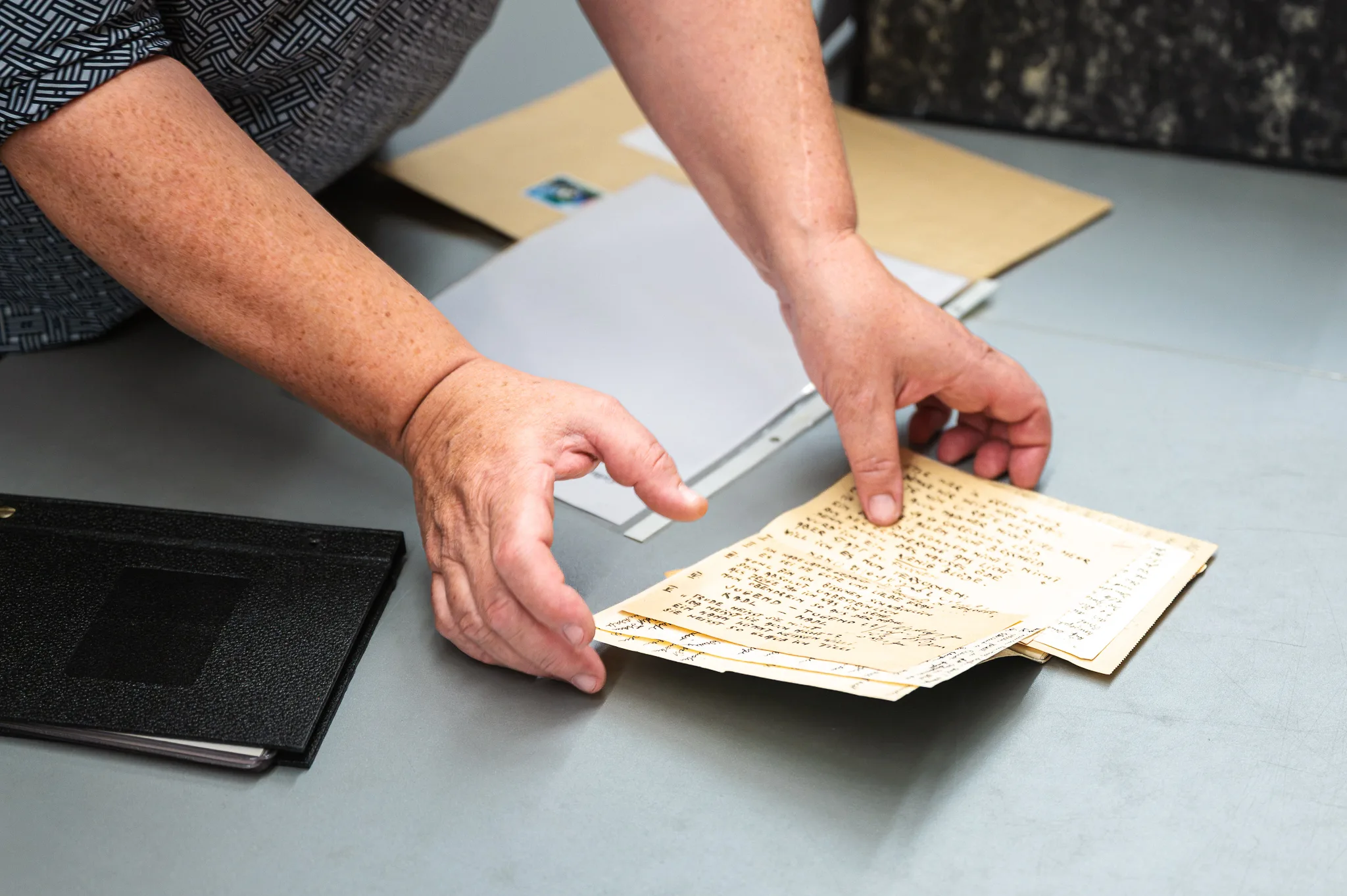
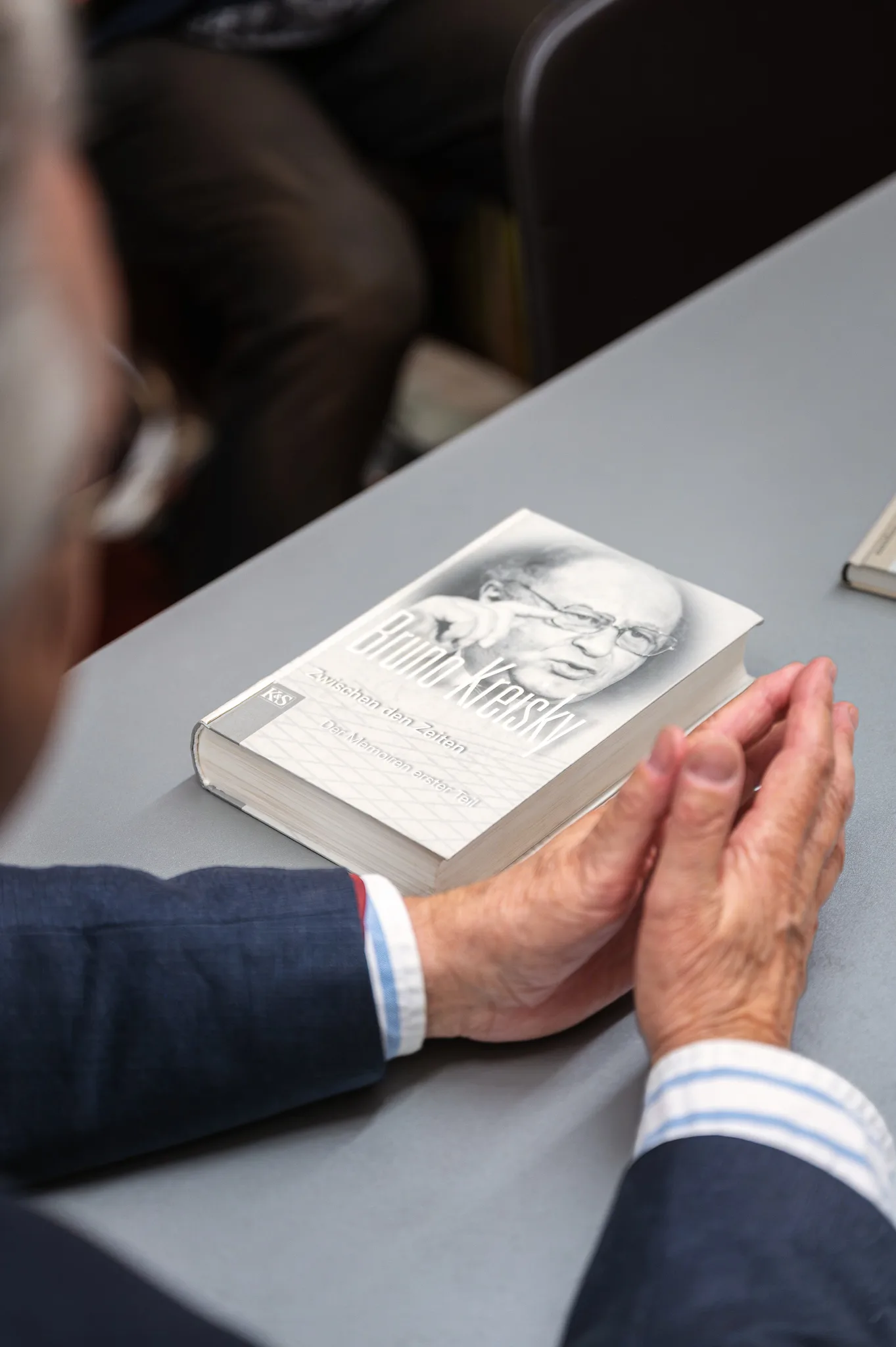
The most memorable object was Kreisky’s prison diary, sewn together by hand. On the back page is a list of books he wanted his father to send him.
Then the film “Bruno – Der junge Kreisky”
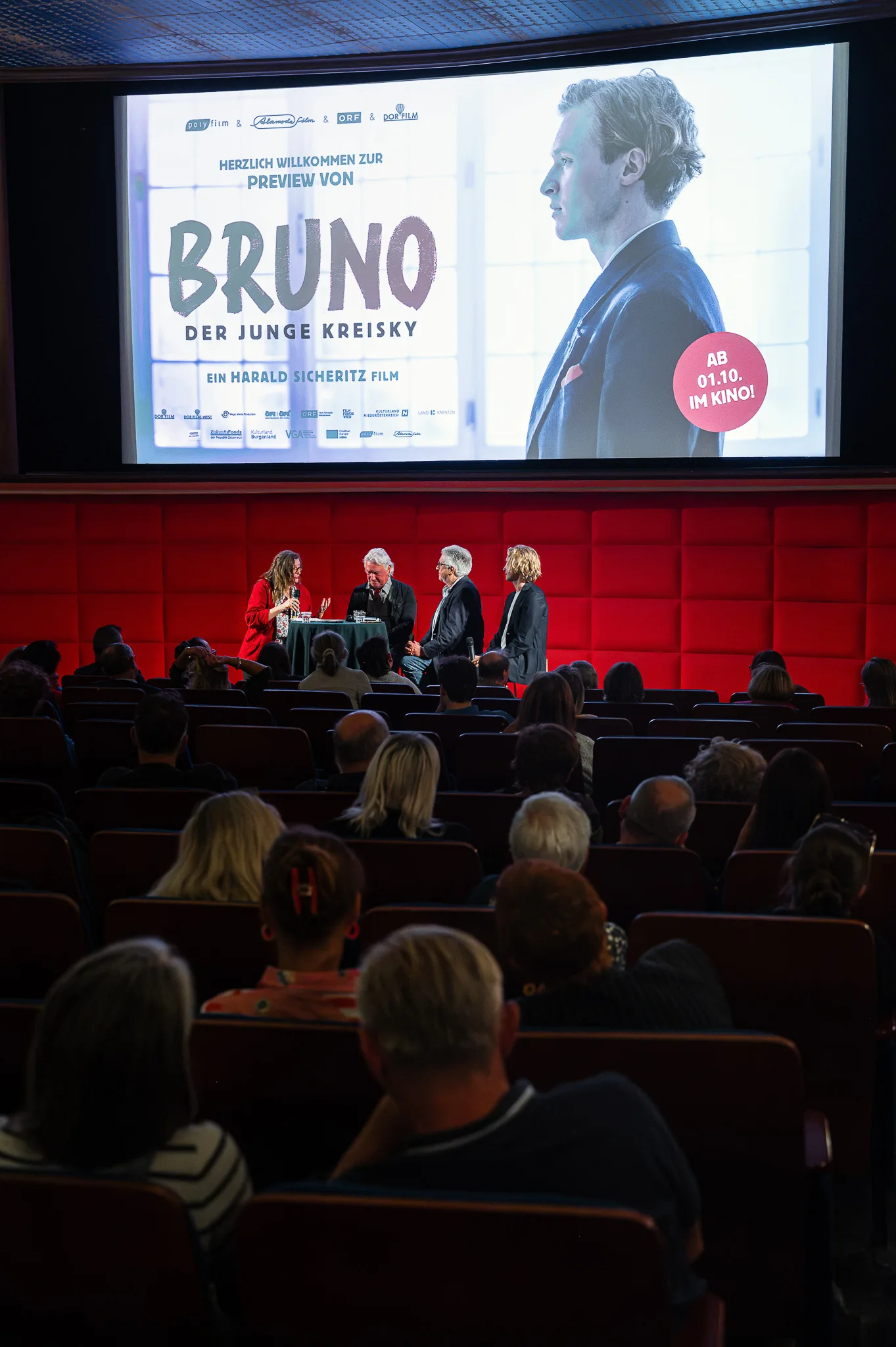
At Filmcasino, Harald Sicheritz’s biopic picks up where the walk left off. It shows the young Kreisky, a schoolboy from a wealthy Jewish family, whom the Socialist Workers’ Youth only reluctantly accepts, becoming an activist against the rise of fascism. Nils Arztmann is portraying Bruno, with Maya Unger as Adele beside him. The film opens in cinemas on 1 October, 2026.
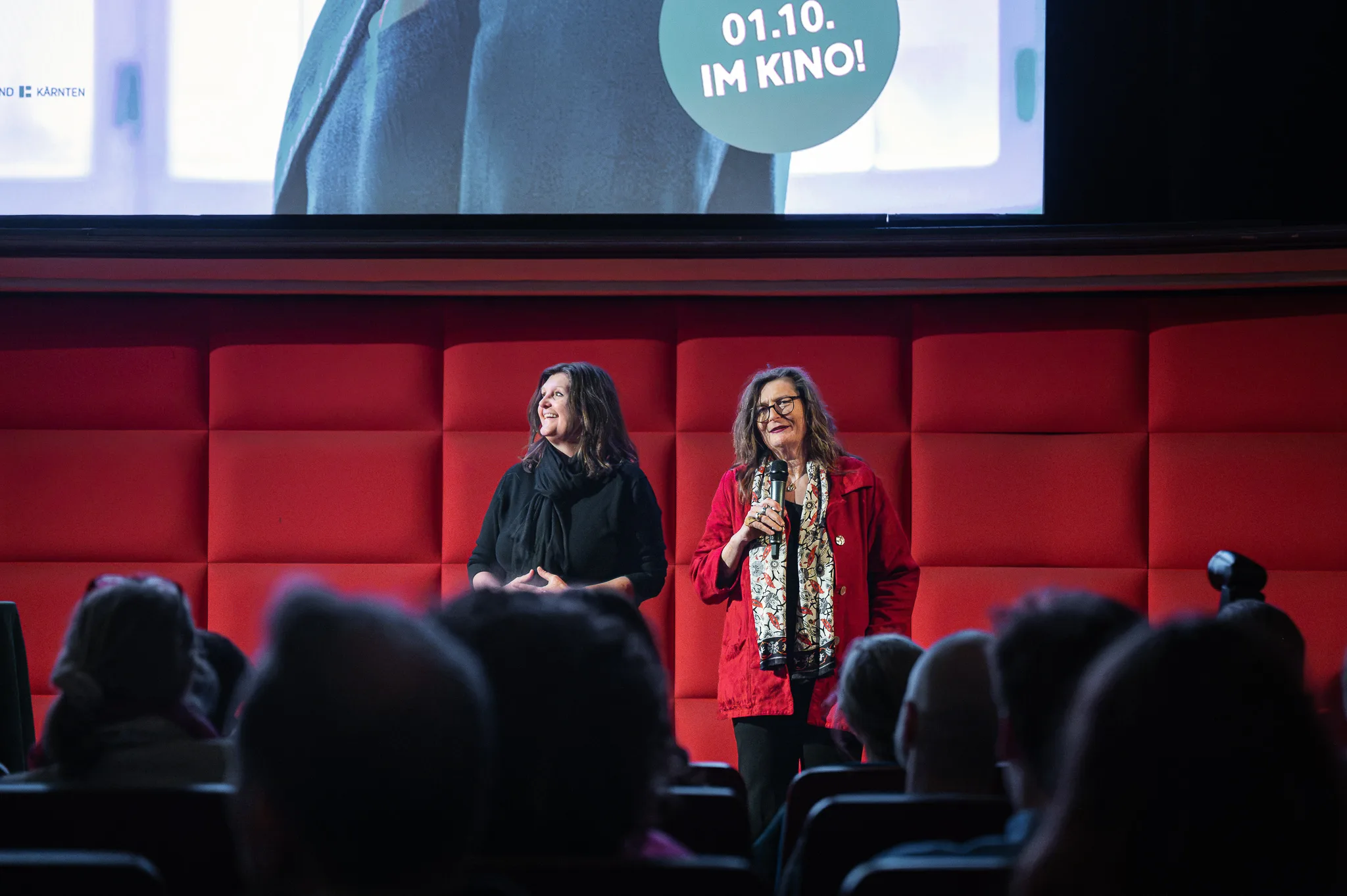
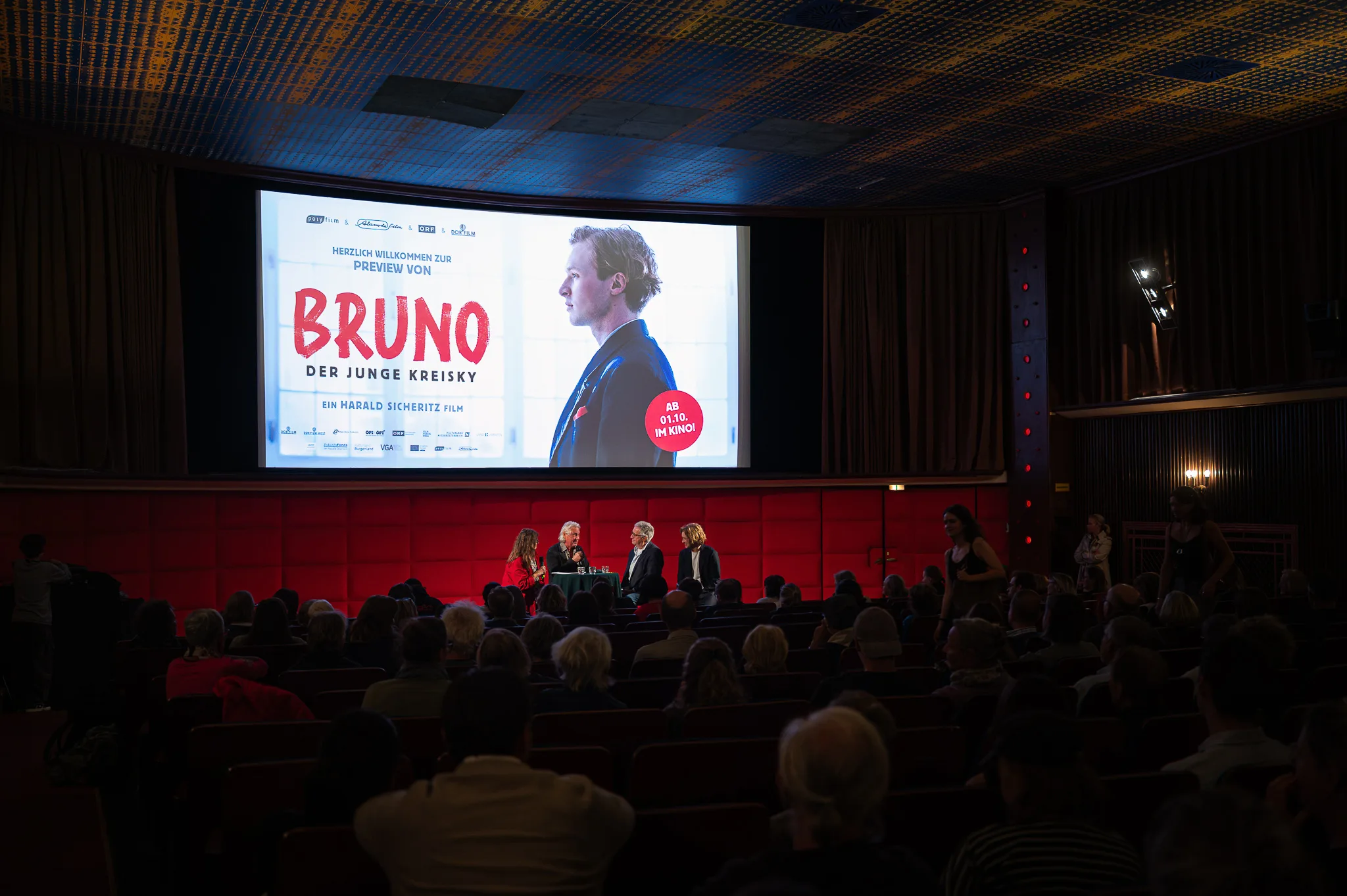
Afterwards Sicheritz and Arztmann talked with the sold-out audience, together with Sabine Kroissenbrunner and the diplomat Wolfgang Petritsch, once Kreisky’s secretary.
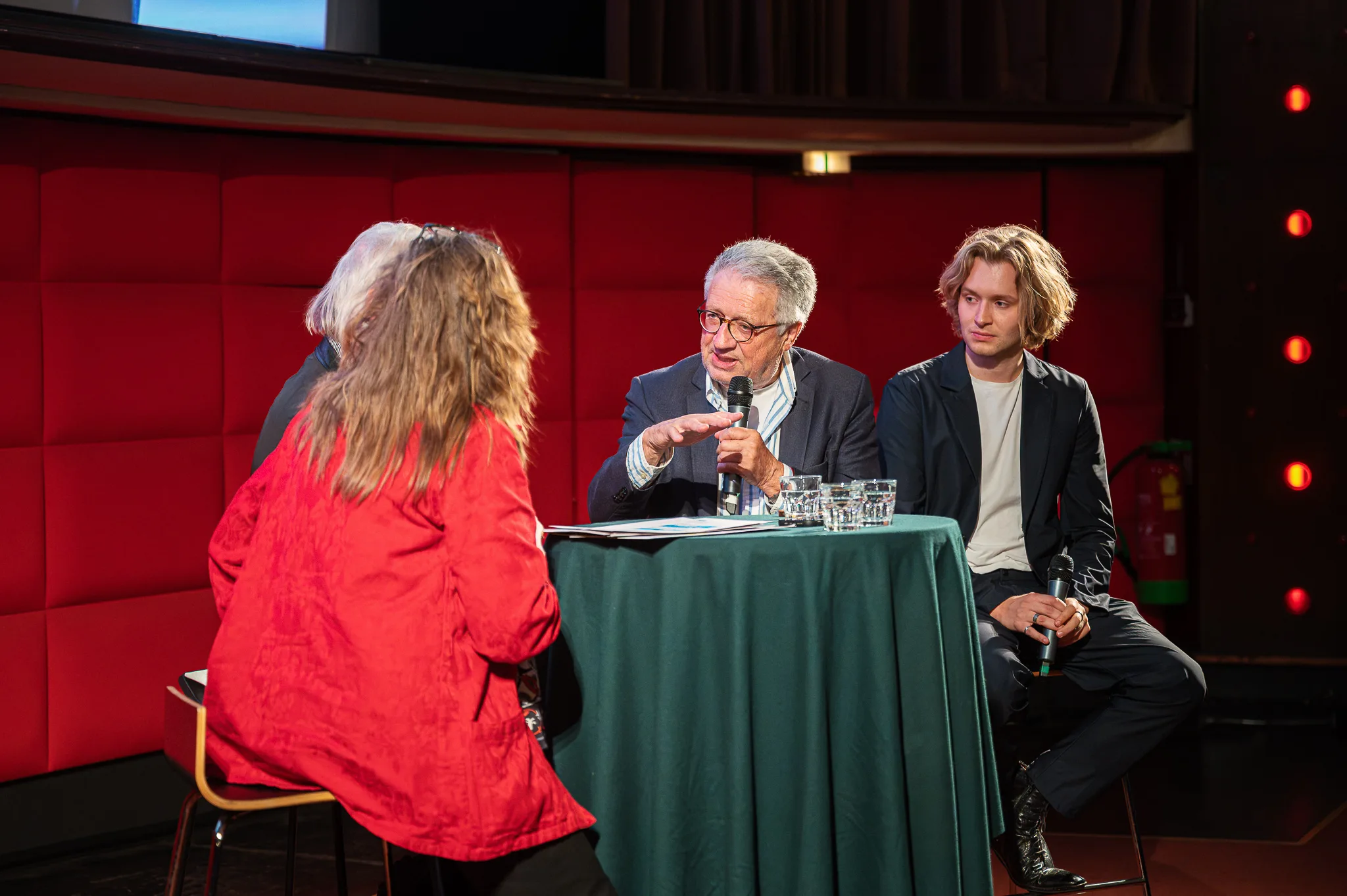
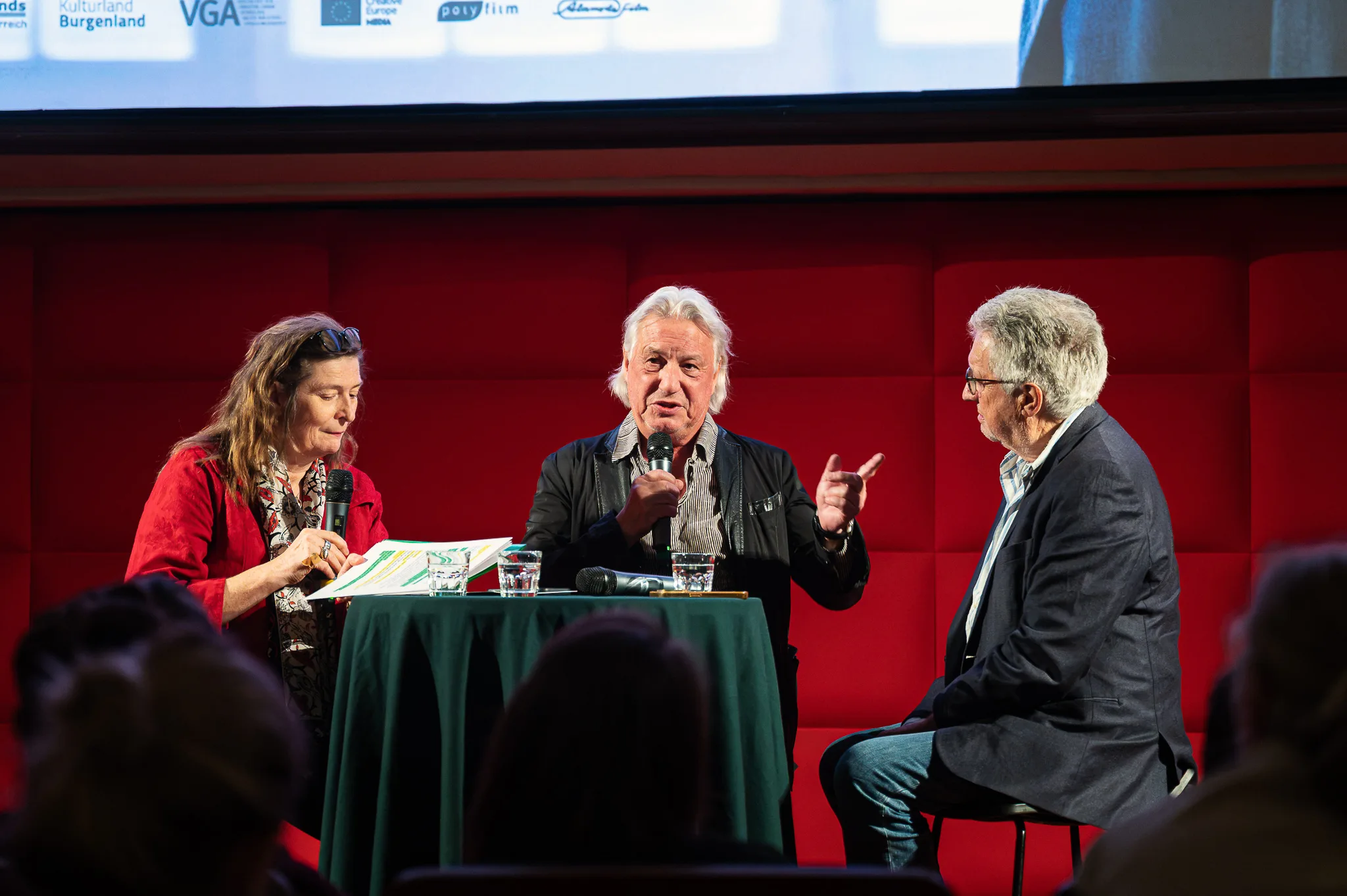
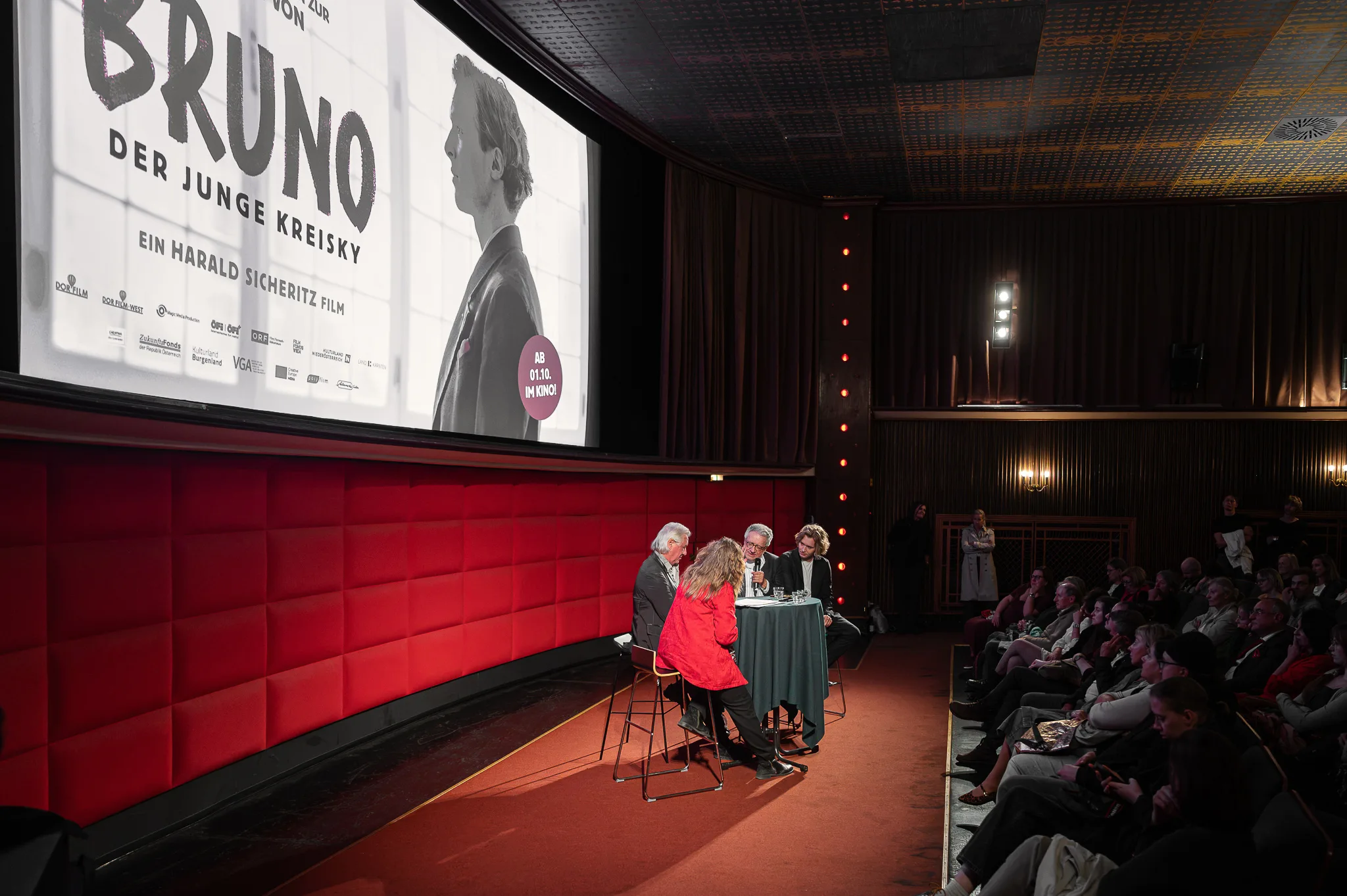
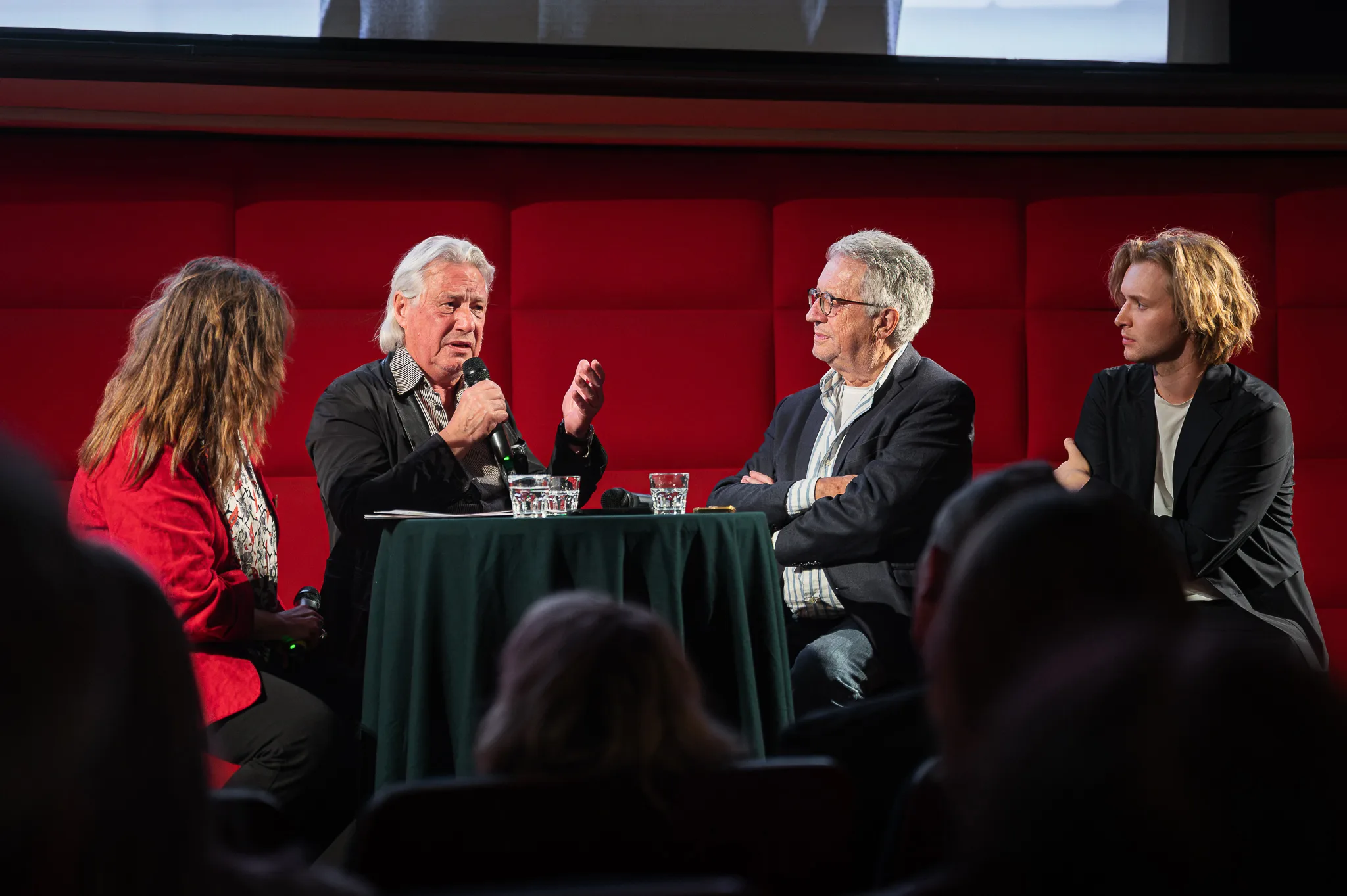
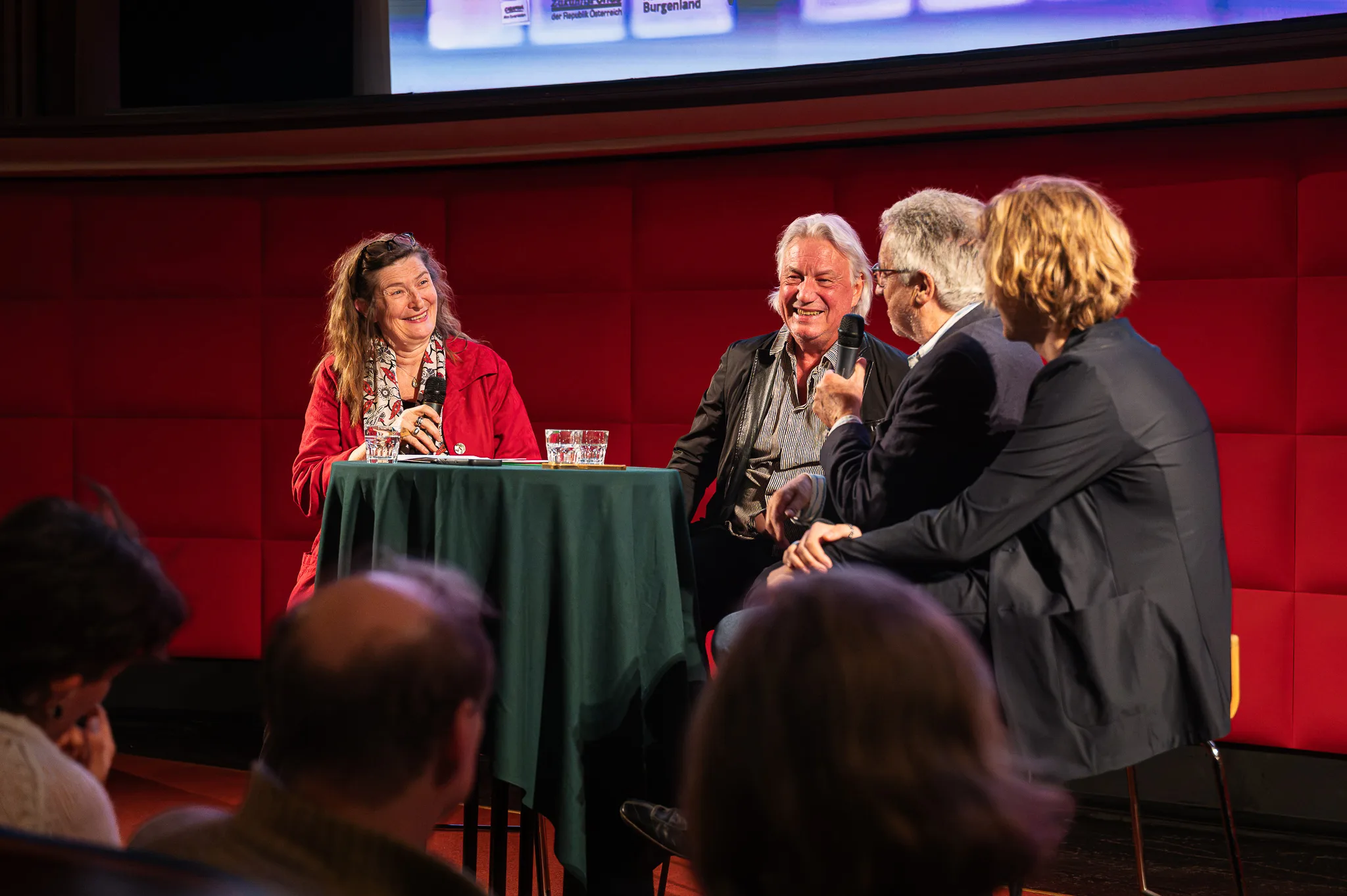
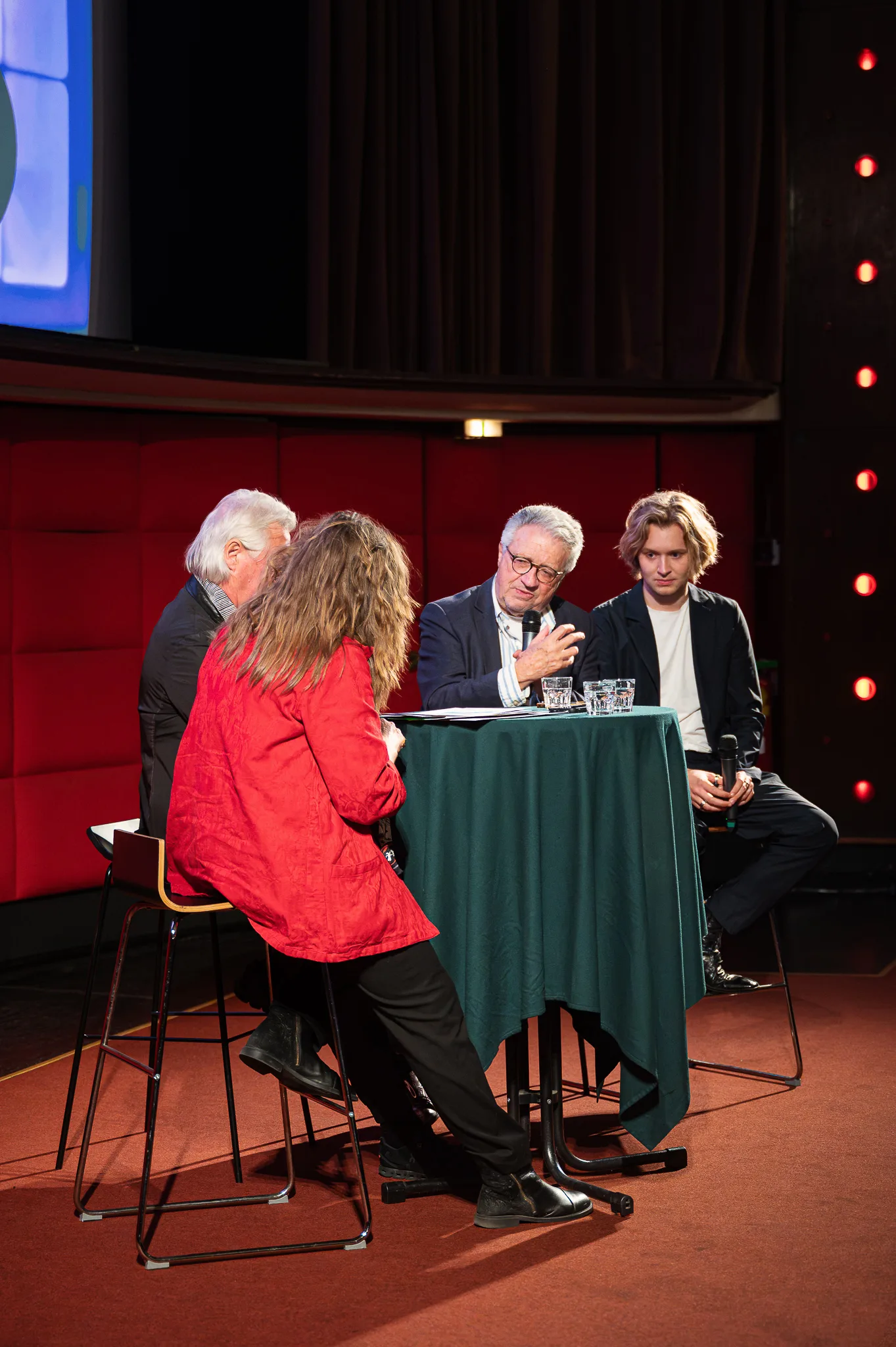
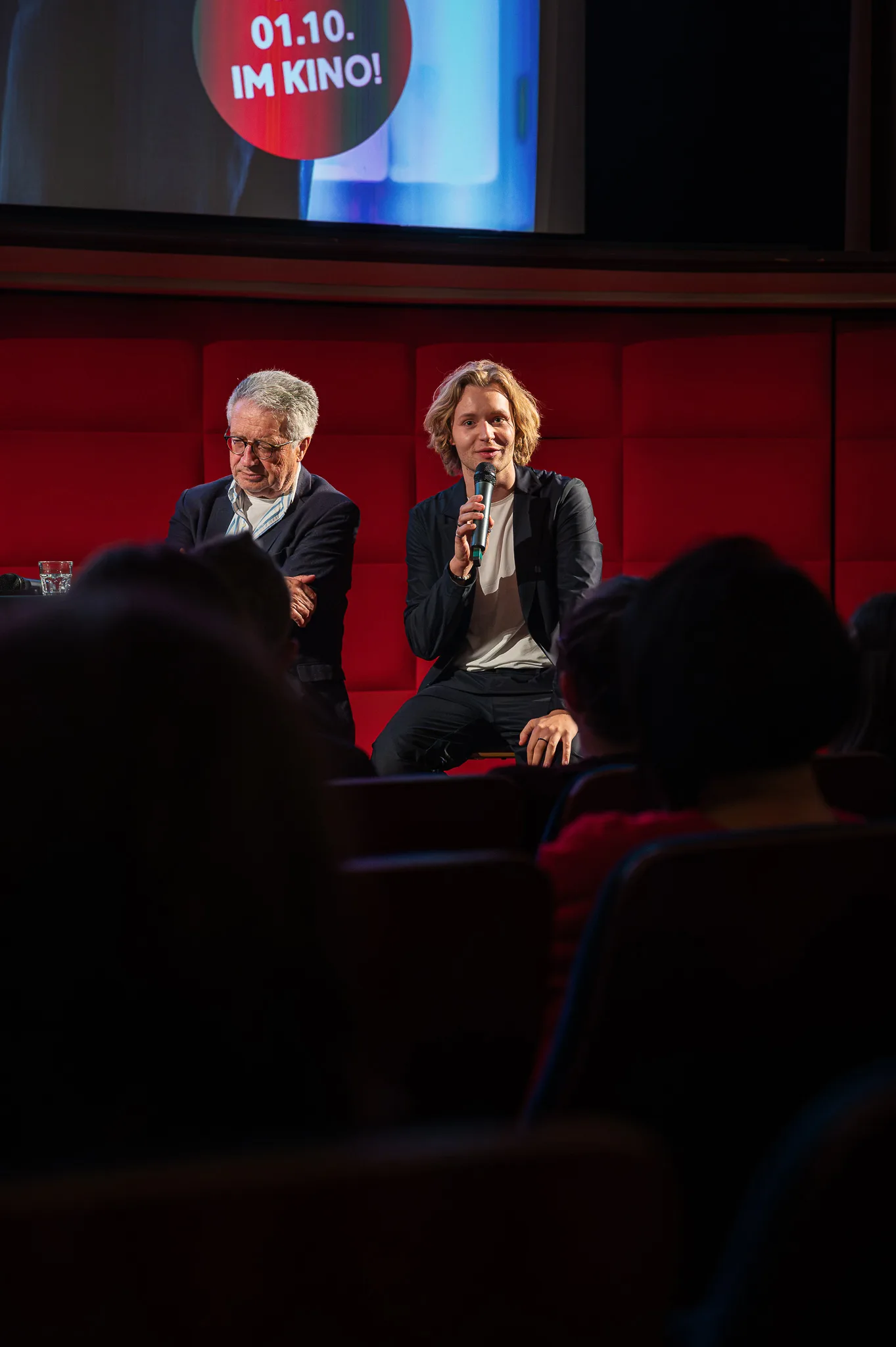
After seeing the hand-sewn diary in the afternoon, the prison scenes on screen were even more intense.
📷 The full gallery (46 photos) is here.
Thanks for the invitation, Bruno Kreisky Forum and WHOOSH!
Other interesting blogposts are:
Zur Leistung Eventfotografie in Wien